Halal Cantonese Food Guangzhou: Muslim-Friendly Yum Cha, Xinjiang Building and Local Dim Sum
Reposted from the web
Summary: This Guangzhou halal food guide compares Muslim-friendly Cantonese morning tea, including Xinjiang Building yum cha, local dim sum, halal Cantonese dishes, and practical food notes for Muslim travelers.
A Halal Food Tour in Guangzhou: Where to Find the Best Cantonese Morning Tea (Yum Cha)? is presented here as a firsthand travel account in clear English, beginning with this scene: I wrote a halal travel map for Guangzhou in 2019, mainly introducing all the mosques in the city. The account keeps its focus on Halal Travel, Yiwu Food, Mosque Travel while preserving the names, places, food, and historical details from the Chinese source.
I wrote a halal travel map for Guangzhou in 2019, mainly introducing all the mosques in the city. The food section was a bit thin because I traveled alone back then. I visited Guangzhou again in 2022. First, I wanted to treat my team in Guangzhou, whom I had never met in person. I manage an insurance brokerage team with members across the country, and Guangzhou is our second-largest branch after Beijing. Second, I wanted to visit many of Guangzhou’s unique halal restaurants. When I traveled alone, I couldn’t eat much, but with the team, we could order all the big dishes we wanted without wasting food.
1
Xinjiang Building Bazaar Food
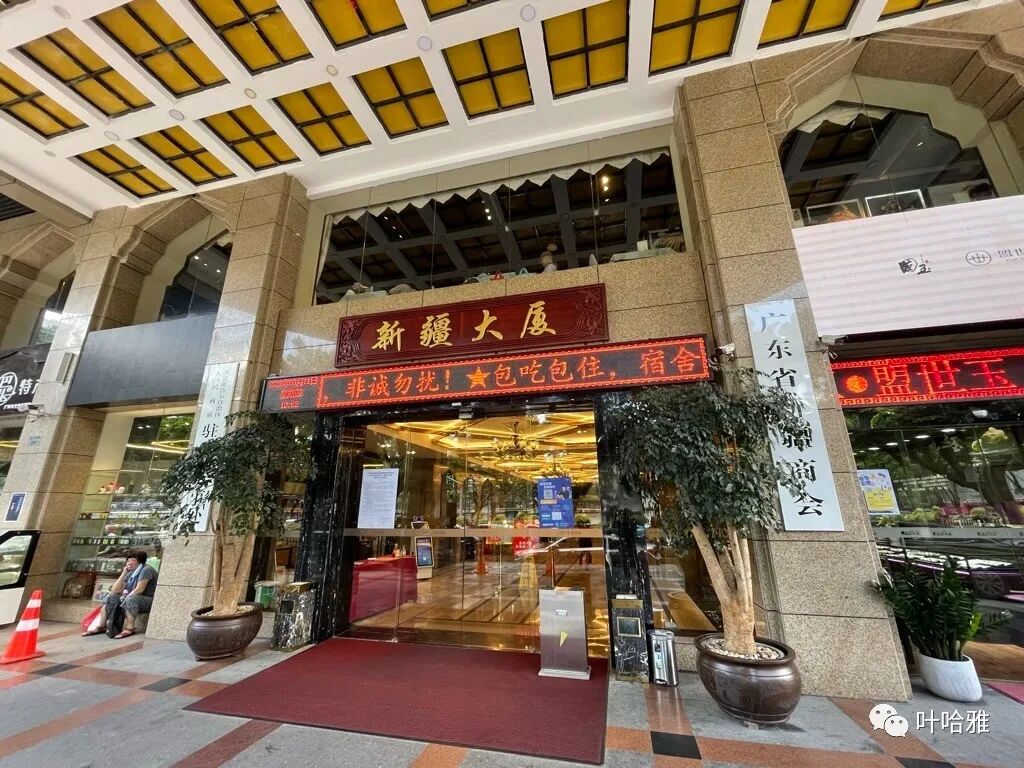
When people talk about having morning tea (yum cha) in Guangzhou, many recommend the Huimin Restaurant. But if I had to choose, I prefer the morning tea at the Xinjiang Building. Although they haven’t been serving Cantonese morning tea for very long, they do better than the Huimin Restaurant in terms of variety, environment, and service.
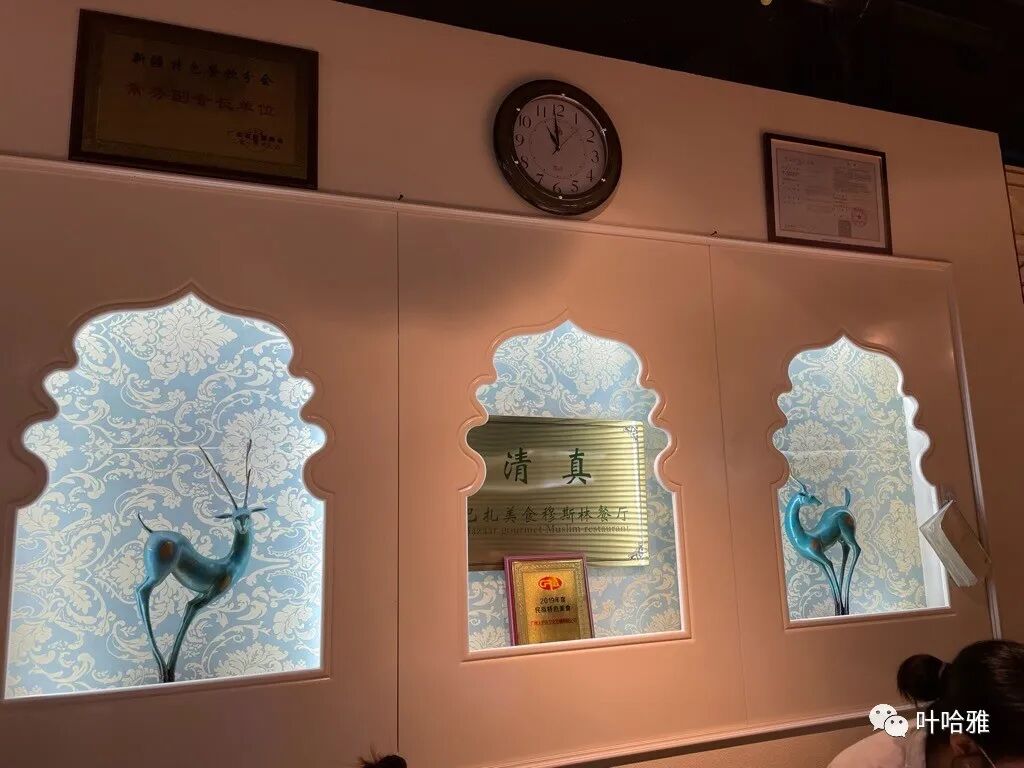
Their morning tea menu includes both traditional Cantonese dishes and some creative options, especially those combined with Xinjiang ingredients. This is easier for northern tourists to accept, as many authentic local snacks can be hard for outsiders to get used to.
Morning tea originally just meant coming to drink tea in the morning. However, people started pairing it with snacks, and these snacks became so rich that they eventually became the soul of the morning tea experience.
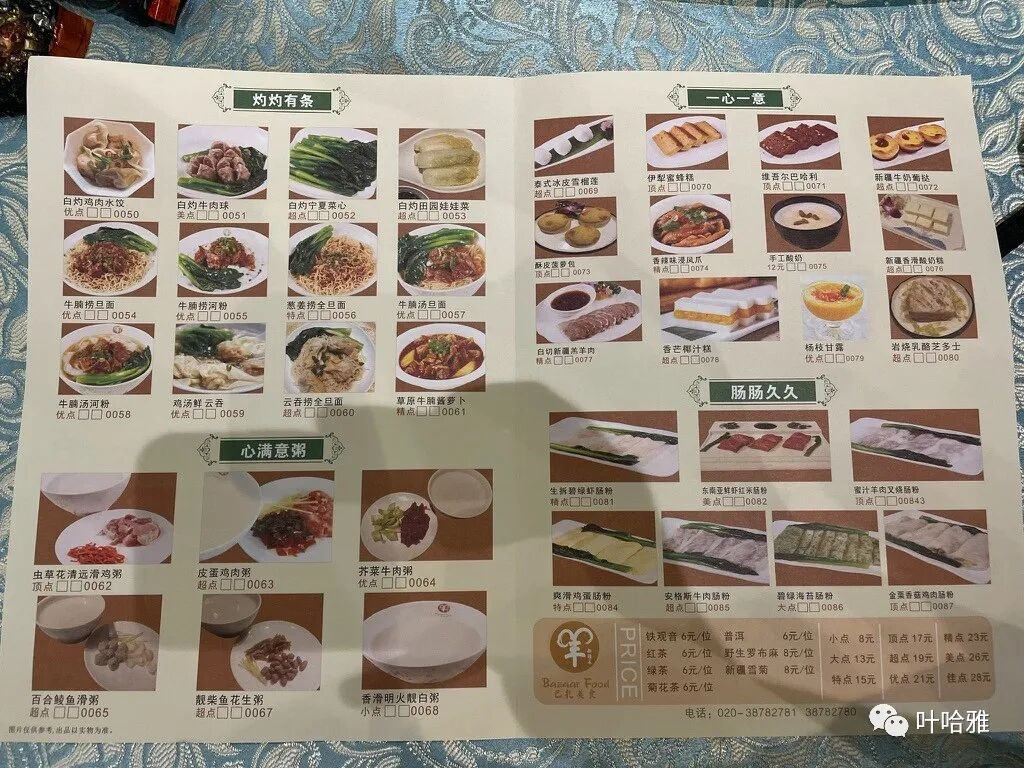
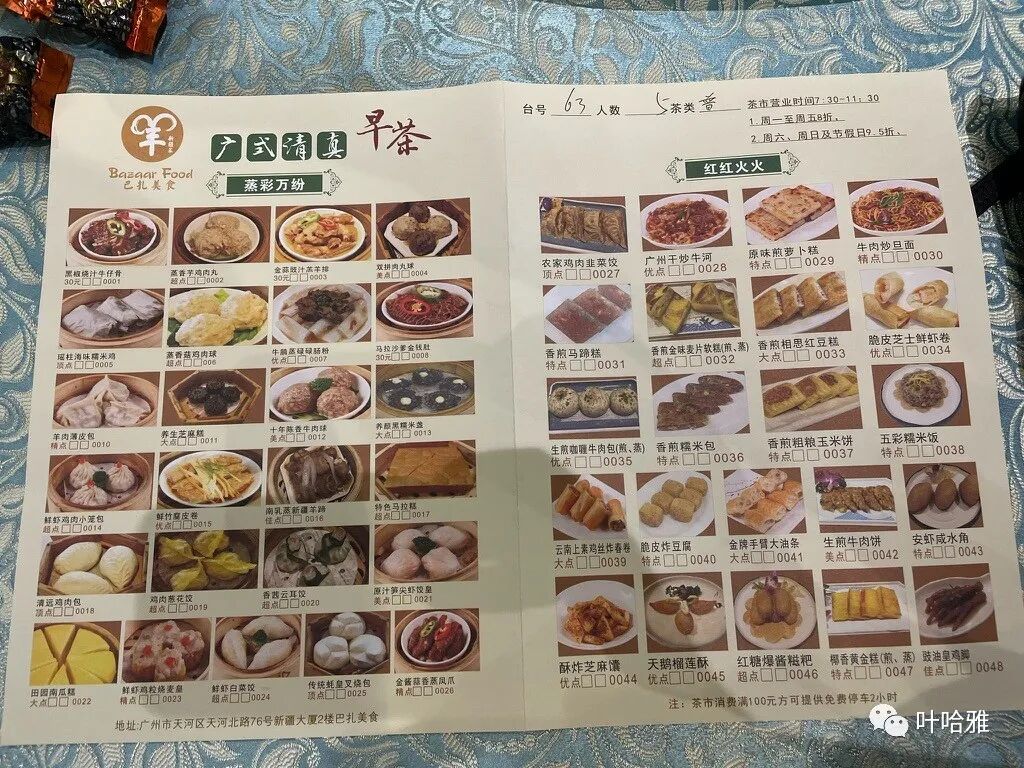
After sitting down, the waiter will follow the custom and ask what tea you want. You can choose from black tea, green tea, flower tea, or pu-erh tea. You are even welcome to bring your own tea bags. Then, they give you a menu to check off the snacks you want.
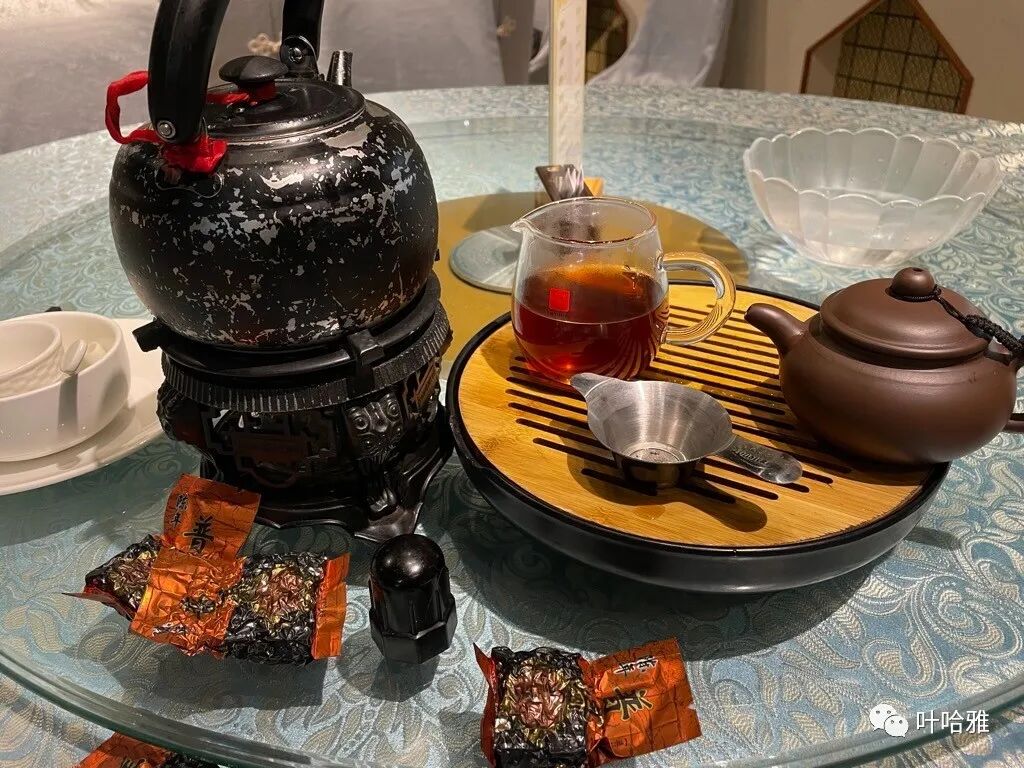
The first step of having morning tea is washing the tea set. The basin in the top right corner is not for trash, but for washing the tableware. Even though the tea sets are already clean, Guangzhou locals are used to scalding them with hot water again. I follow the local customs and do the same, even though I don’t really worry about whether the tableware is clean.
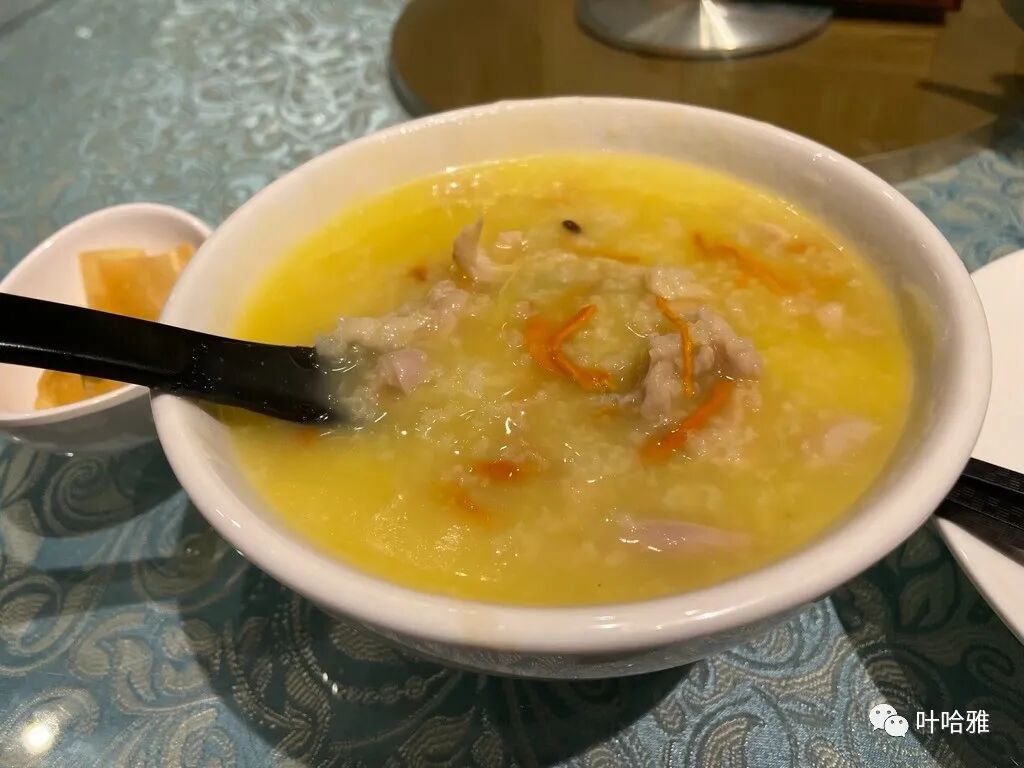
Cordyceps flower and Qingyuan chicken porridge
Breakfast in Beijing, specifically in Niujie, is always soy milk, fried dough cakes (youbing), lamb offal soup (yangza), fried tofu soup (doupaotang), and baked flatbread with fried dough (huoshao jia youbing). For someone like me who goes to the gym every day, this isn’t very friendly. I like to change things up for every meal, so breakfast is the biggest headache for me. If I want a nutritionally balanced breakfast, I have to make it myself.
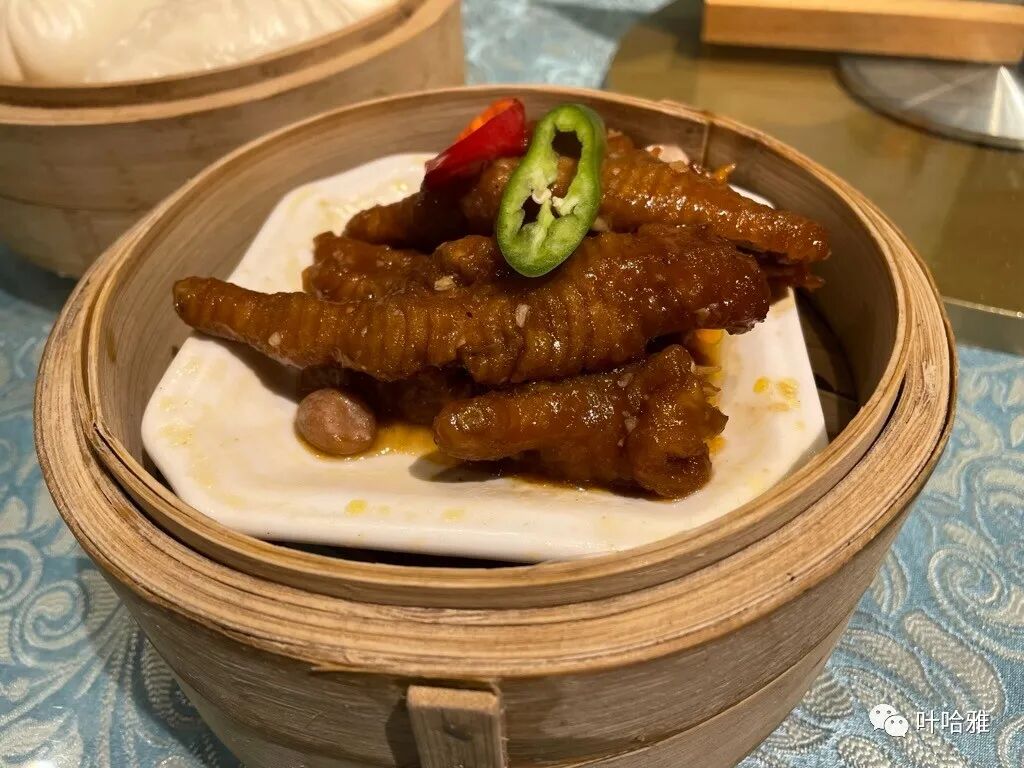
Steamed chicken feet with golden garlic sauce (jinjiang suanxiang zheng fengzhua)
If you eat morning tea alone in Guangzhou, you can usually manage about three dishes based on the portion sizes. You can eat something different every day for about half a month. After that, you can start the cycle over again, which gives you a reason to get up early every day.
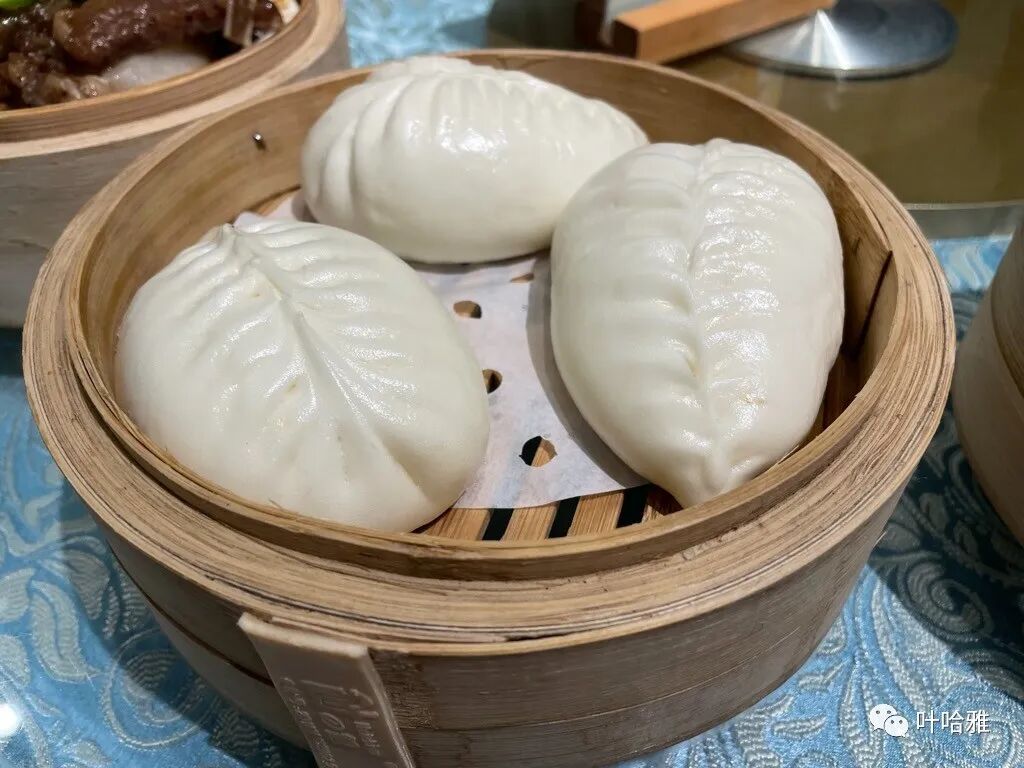
Qingyuan chicken bun
Cantonese morning tea is mostly light and not spicy, making it perfect for kids or people with sensitive stomachs.
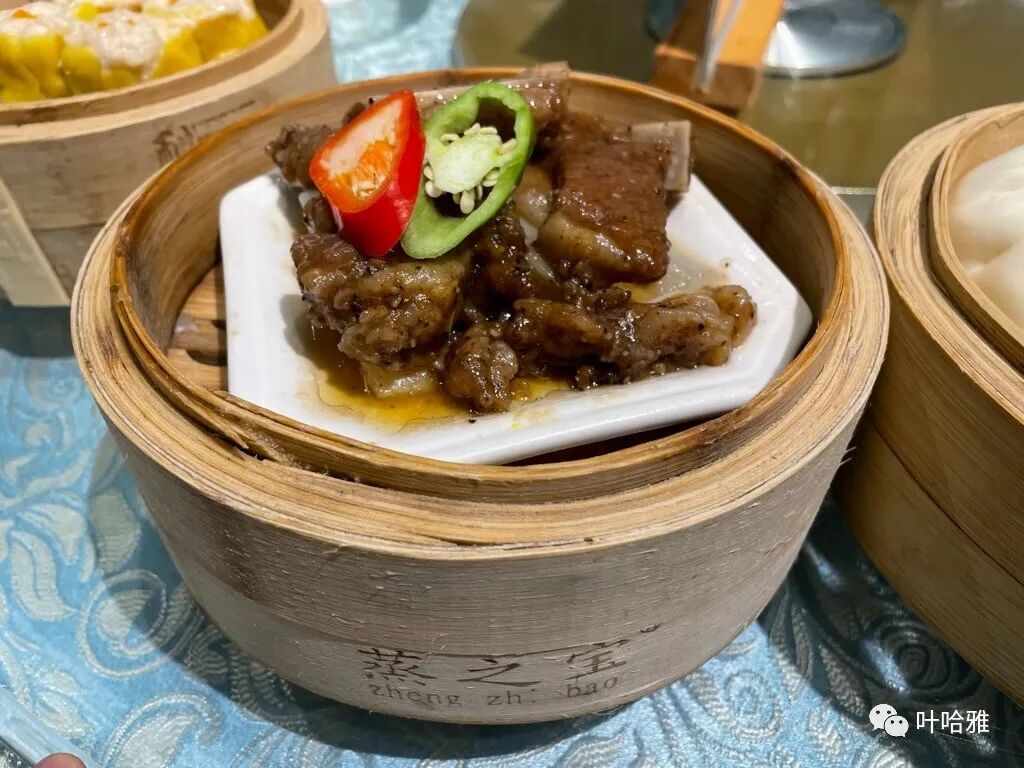
Beef short ribs in black pepper sauce
Morning tea is served from 7:00 a.m. to 11:30 a.m. If you visit on a weekday, you will mostly see locals drinking tea. These locals have both money and time. As my Guangzhou friends say, they do not care much about how they dress. They might head out in a worn-out tank top and flip-flops, but they are very picky about their food. They believe that what you put in your stomach is what really matters, which shows the practical nature of Guangzhou people.
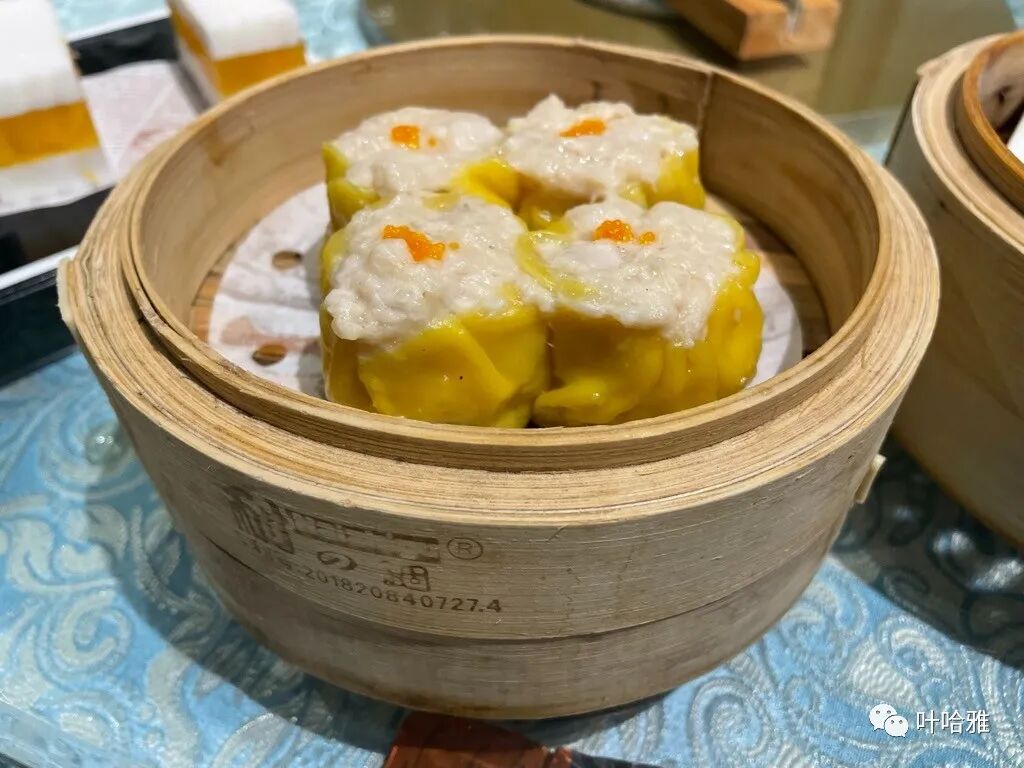
Shrimp and chicken dumpling (shaomai)
My taste has changed over the years. I do not have much of an appetite for large portions or heavy flavors anymore. I focus more on healthy eating and prefer light, small, and delicate food. My love for Cantonese morning tea grows every day, but unfortunately, you cannot find it in Beijing yet.
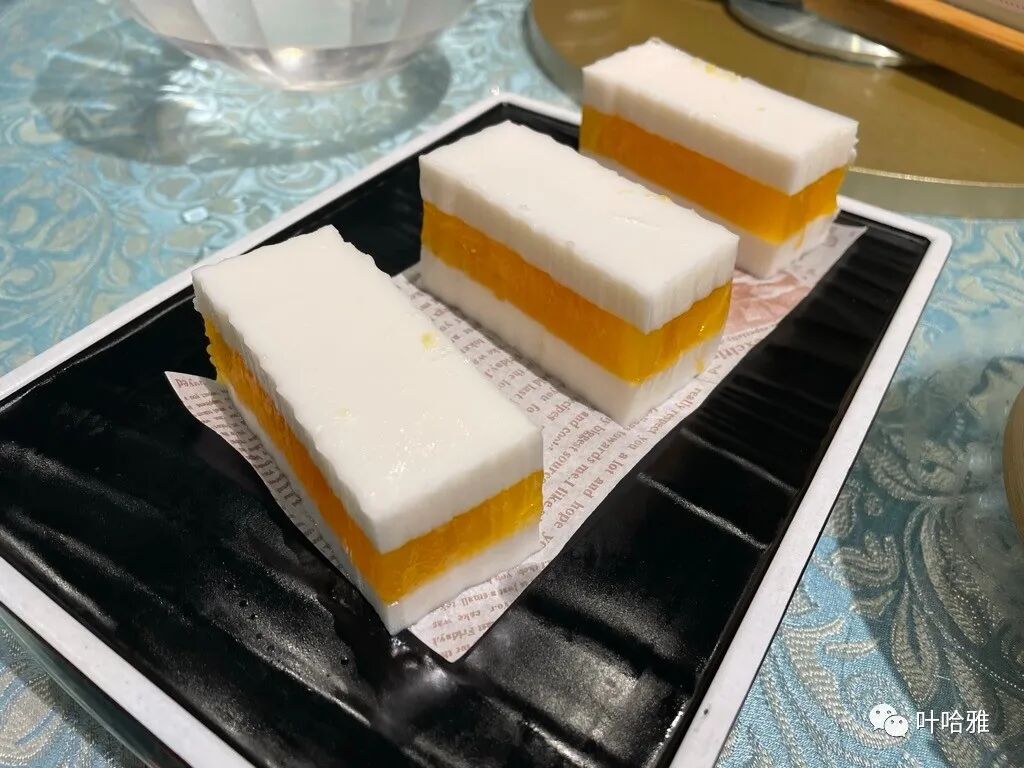
Mango coconut milk cake
I had Wuzhong morning tea in Wuzhong, Ningxia, last year and thought it was a very promising and innovative way to do breakfast. The Muhelan restaurant, which is opening soon in Beijing, plans to bring Wuzhong morning tea to the city. I hope it can take root and grow here.
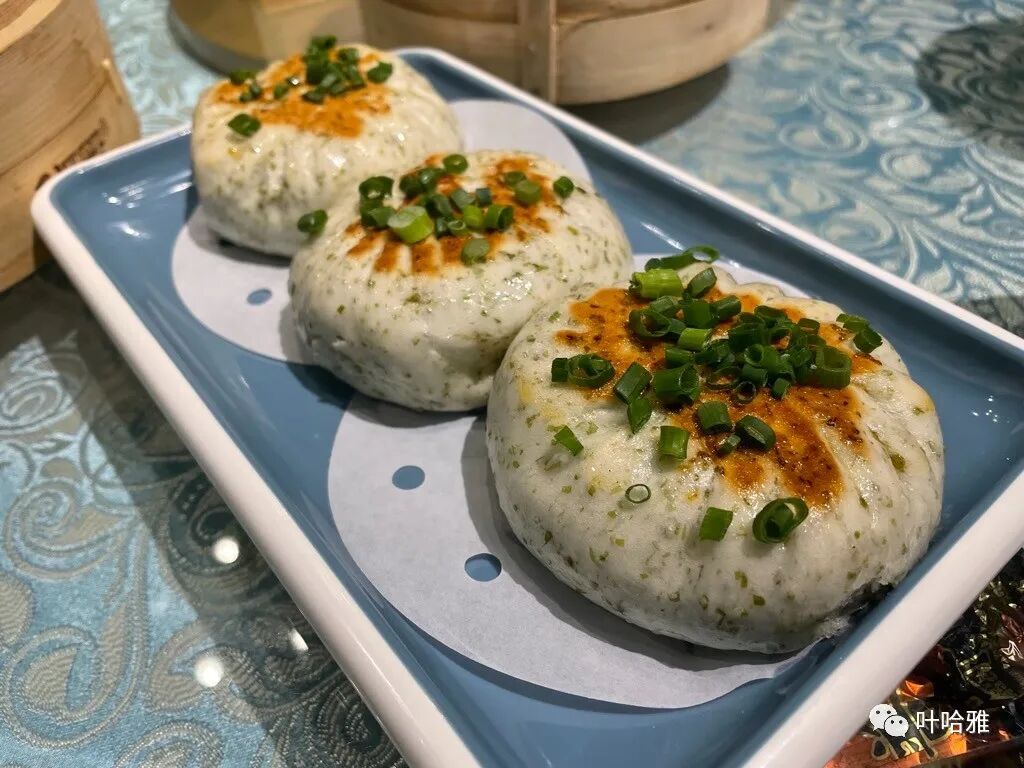
Pan-fried curry beef bun
If it is your first time having Cantonese morning tea, I think you must order the barbecue pork bun (char siu bao) and the pan-fried bun (shengjian bao). Also, rice noodle rolls (changfen), shrimp dumplings (xiajiao), and steamed chicken feet are the best dishes to represent Cantonese cuisine. You might not know if you will like them, but you should definitely give them a try.
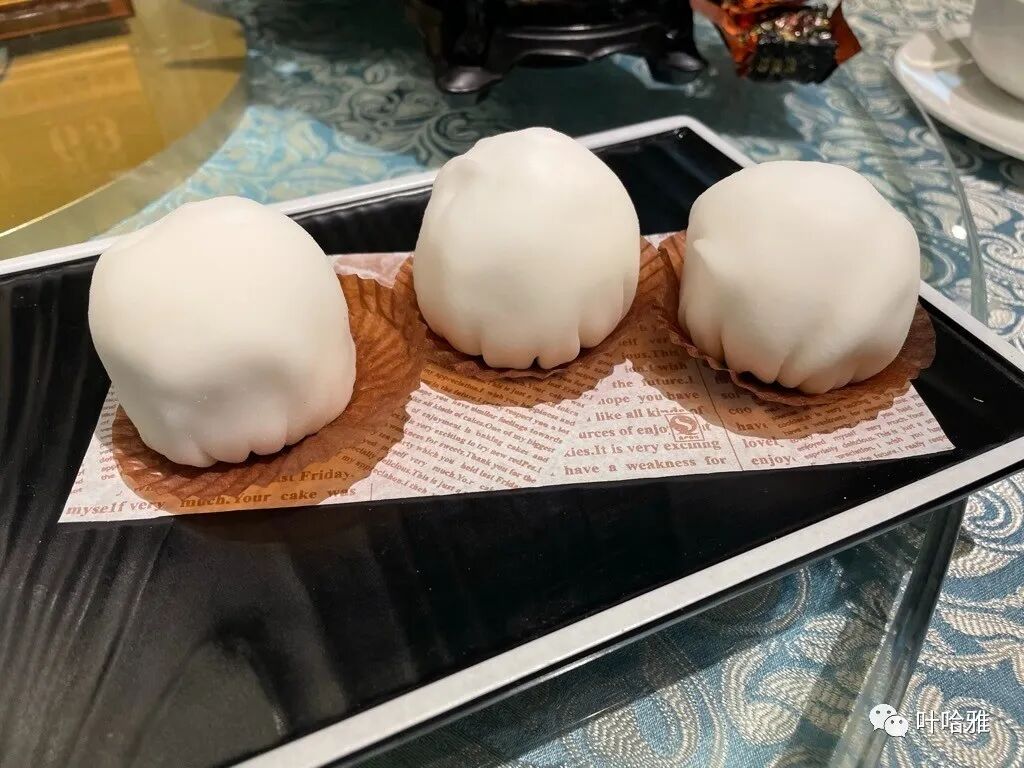
Thai-style chilled durian mochi
You should also try the small Cantonese desserts. They are made with care and look beautiful. They come in portions of three, which is a hint that you should bring two friends along.
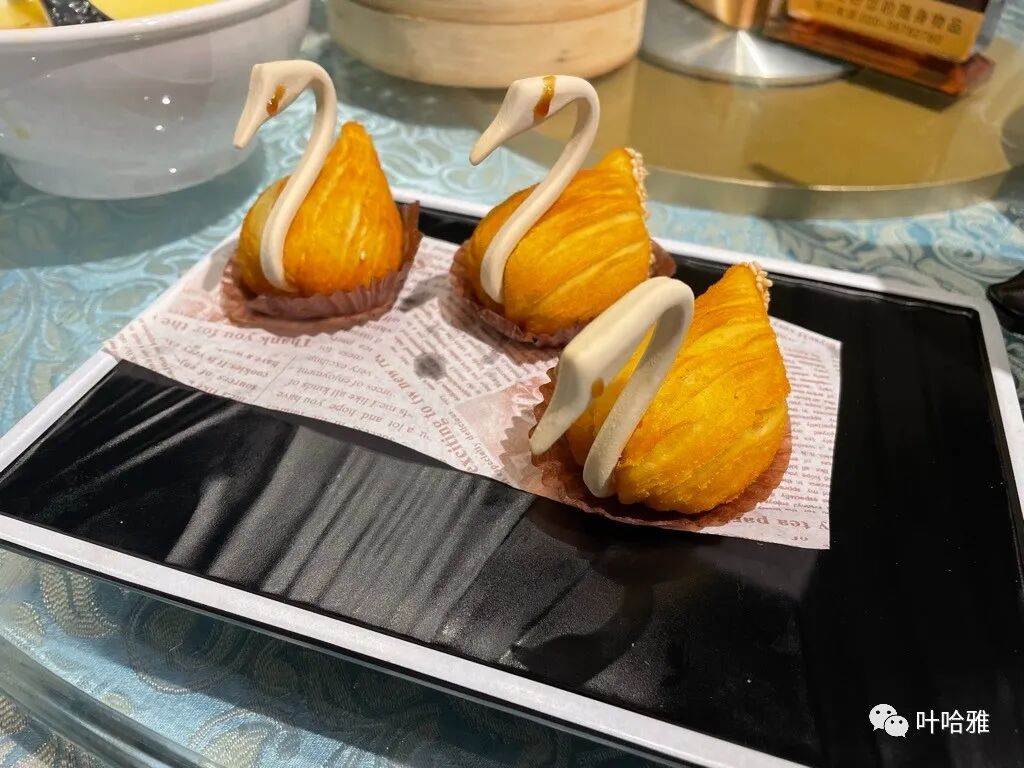
Swan-shaped durian pastry (tian’e liulian su)
This swan-shaped durian pastry is a new addition. When I visited last time, they only had the regular gold-medal durian pastry, so they really put effort into the design this time.
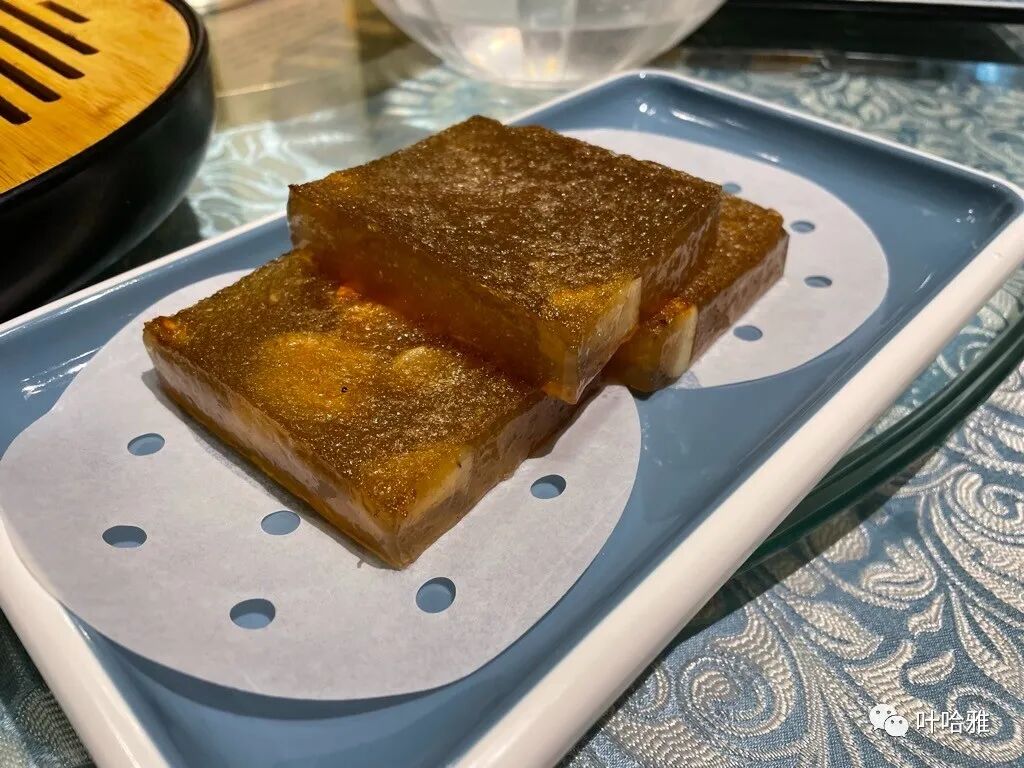
Pan-fried water chestnut cake (xiangjian mati gao)
On this trip to Guangzhou, I ate dim sum for three days in a row, twice at the Xinjiang Building and once at the Hui Muslim Restaurant. My experience at the Xinjiang Building was even better than my last visit. I even ran into some fellow villagers from Shadian there and learned that Guangzhou and Sanya are the favorite vacation spots for people from Shadian.
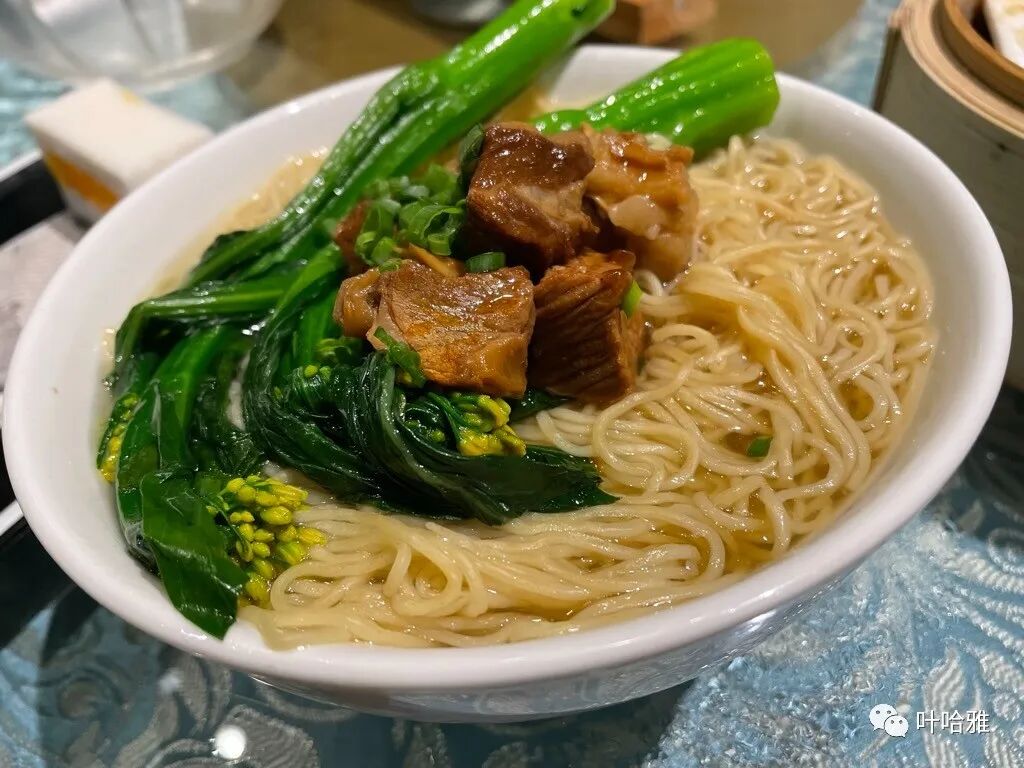
Beef brisket egg noodle soup (niunan tang danmian)
Cantonese-style noodle soup and rice noodle rolls (changfen) have a fresh, slightly sweet taste that many girls love. I don’t particularly like them, as I prefer the salty and savory style of Northwest Chinese noodles. But since I am in Guangzhou, it is worth trying.
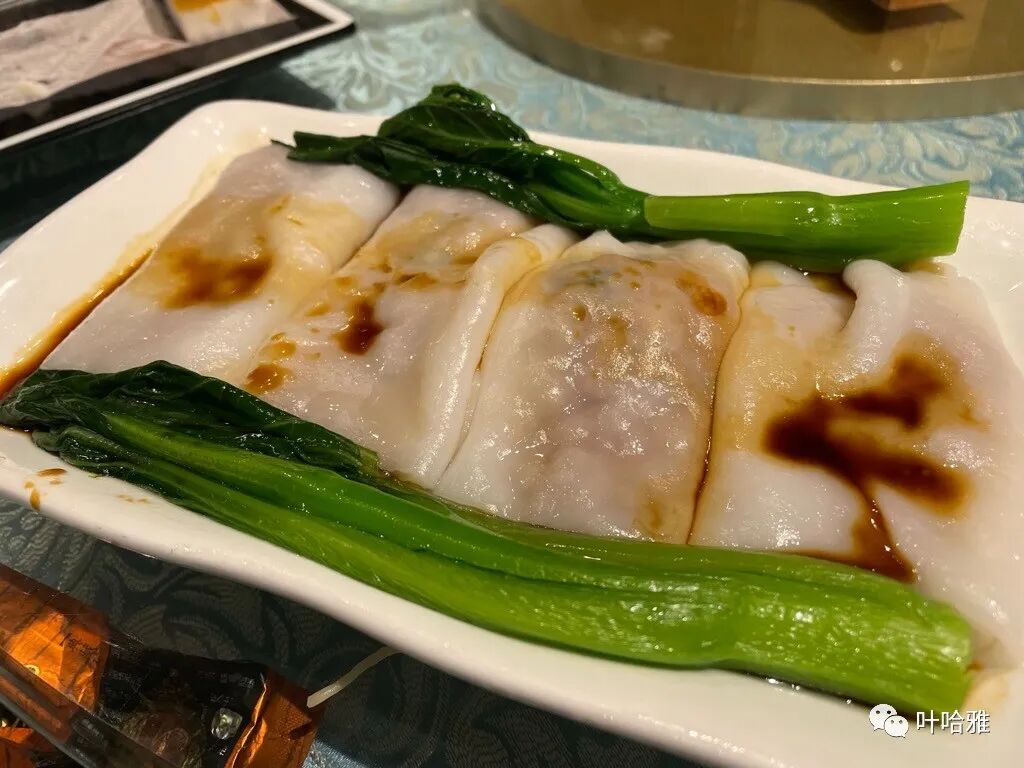
Chestnut and mushroom chicken rice noodle rolls (jinli xianggu jirou changfen)
The yogurt cake and egg tarts are a creative fusion dish because they use dairy products from Xinjiang. Green vegetables hold an important place in Cantonese cuisine. For Guangzhou locals, a meal must include green vegetables, which specifically refers to leafy greens; gourds and root vegetables do not count.
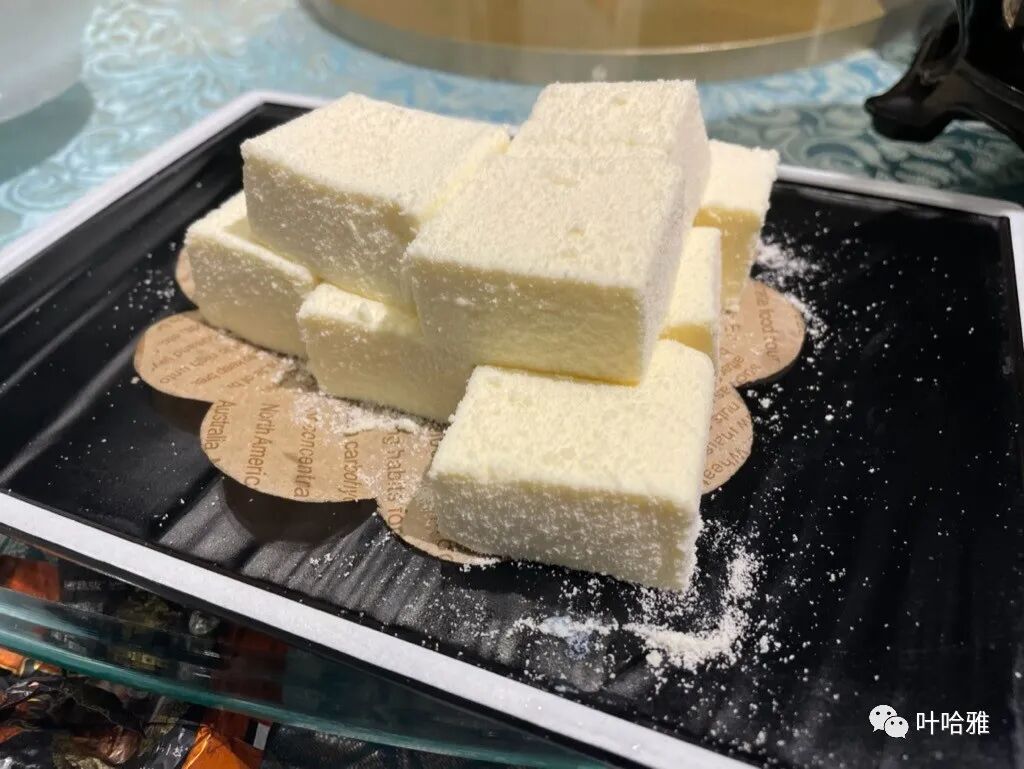
Xinjiang smooth yogurt cake (Xinjiang xianghua suannai gao)
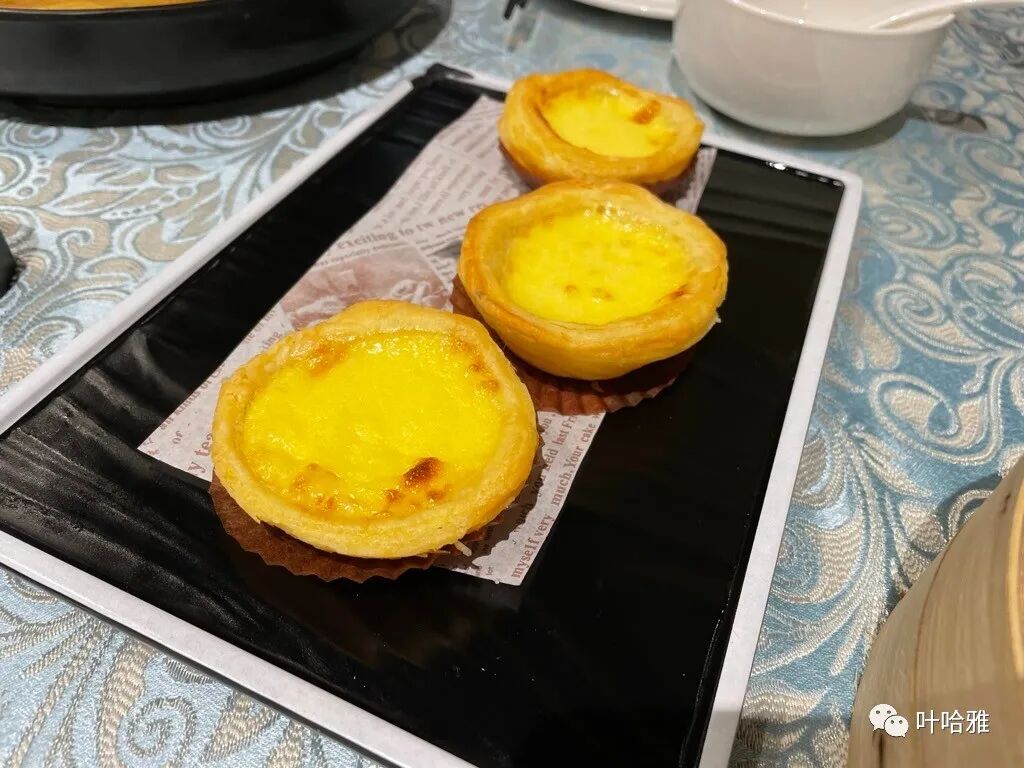
Xinjiang milk Portuguese-style egg tart (Xinjiang niunai puta)
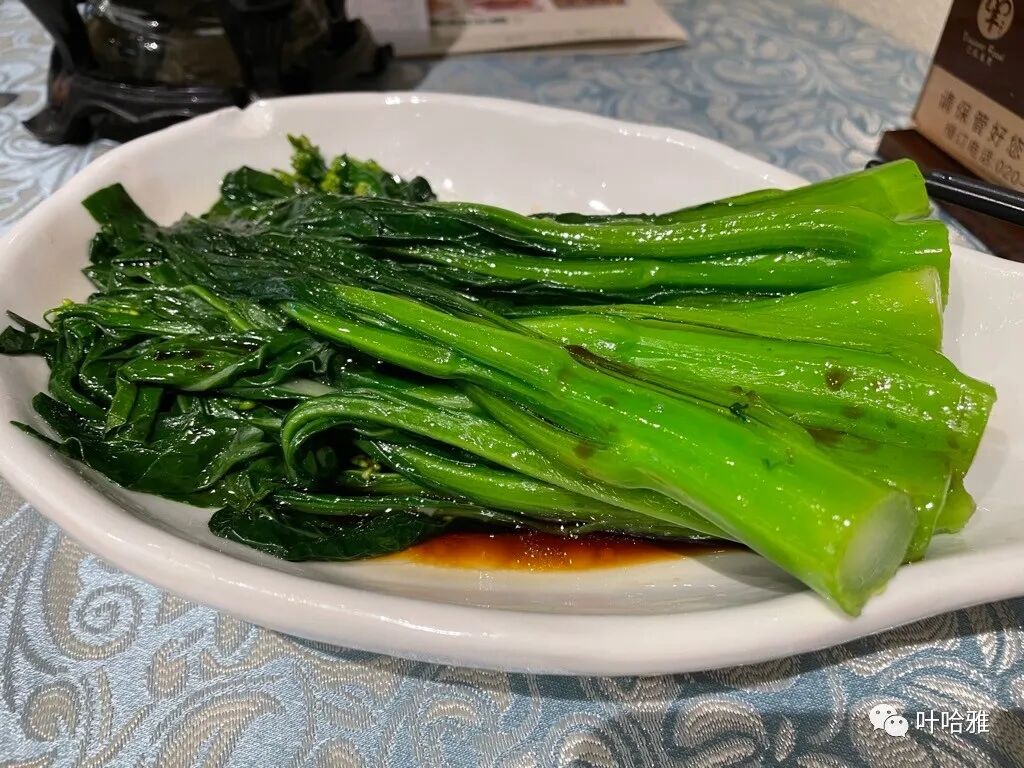
Blanched Ningxia flowering cabbage (baizhuo Ningxia caixin)
Guangzhou people place great importance on food as medicine. They demand fresh ingredients and a balanced diet, using everything from land, sea, and air in their cooking. You can even find these in dim sum. Dim sum can last until lunchtime, then you take a break, have afternoon tea, and once it gets dark and cool outside, there is a late-night snack culture. You can spend the entire day just eating.
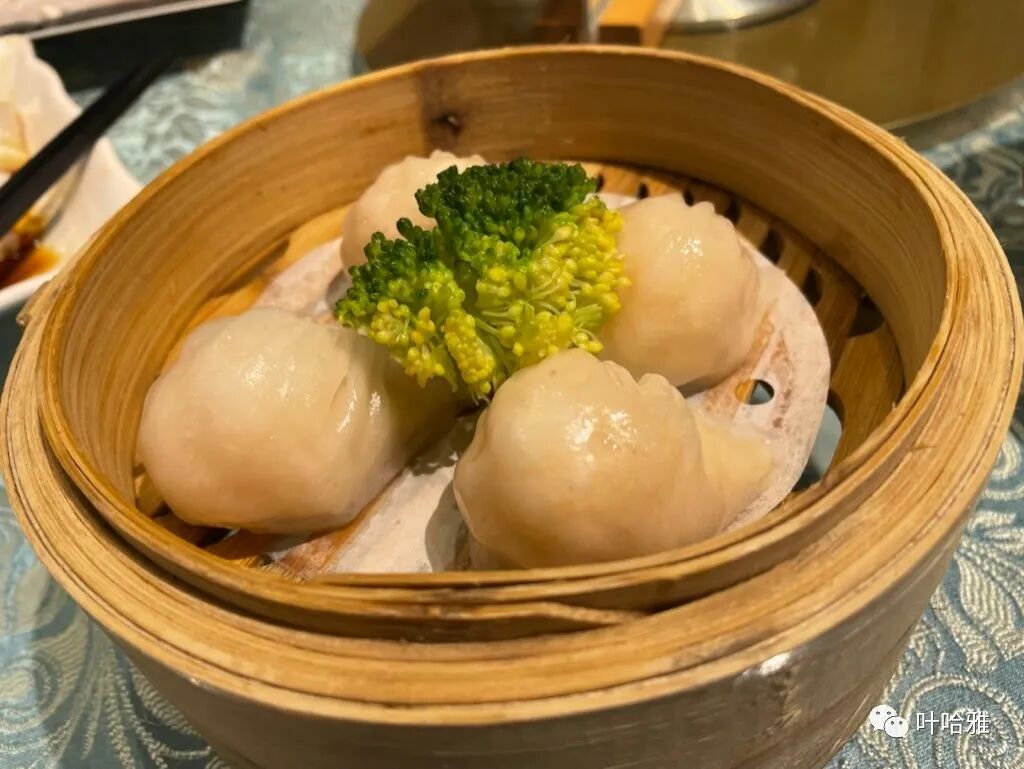
Original flavor bamboo shoot tip shrimp dumpling (shrimp dumpling)
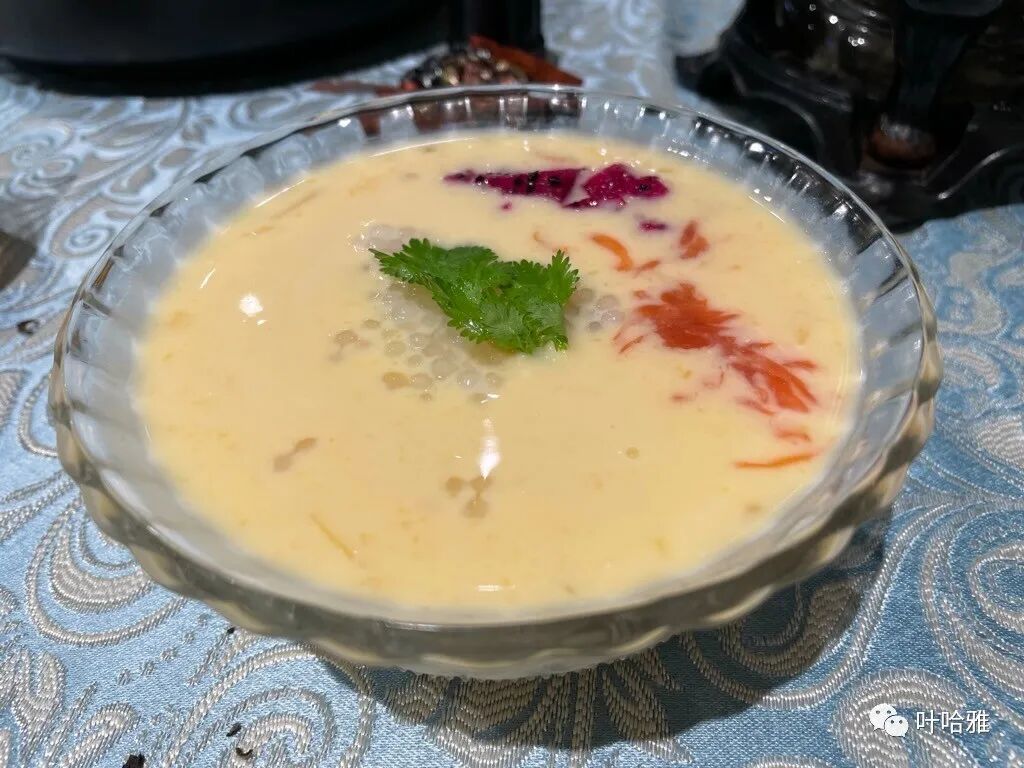
Mango pomelo sago (yangzhi ganlu)
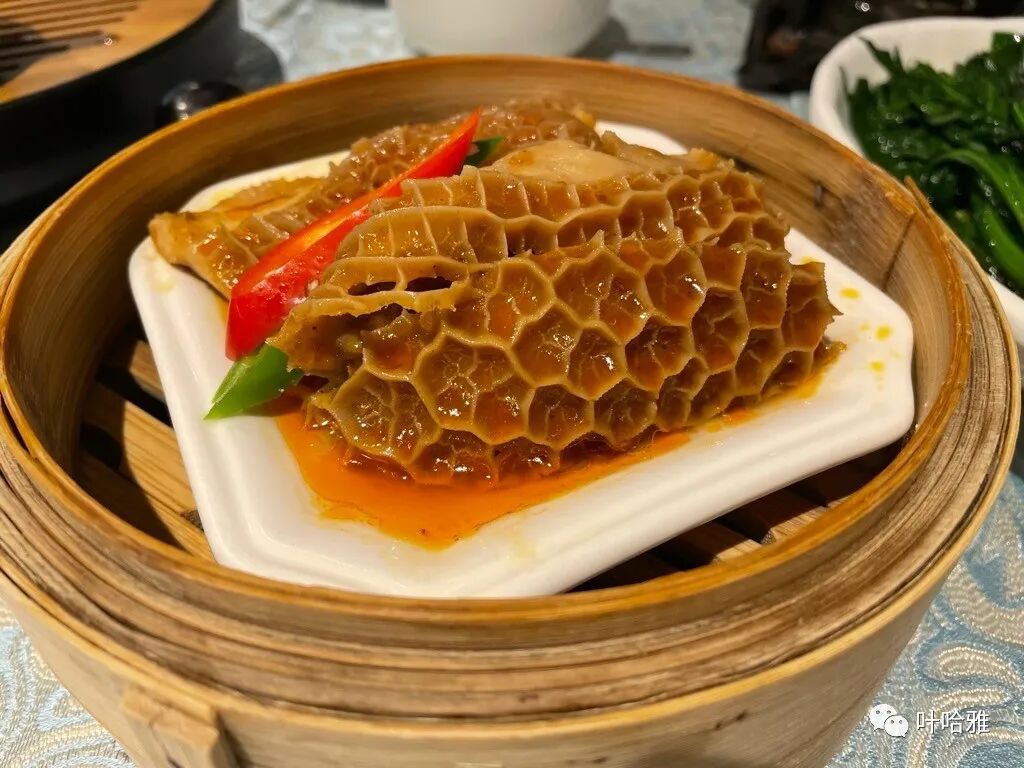
Malaysian satay beef tripe
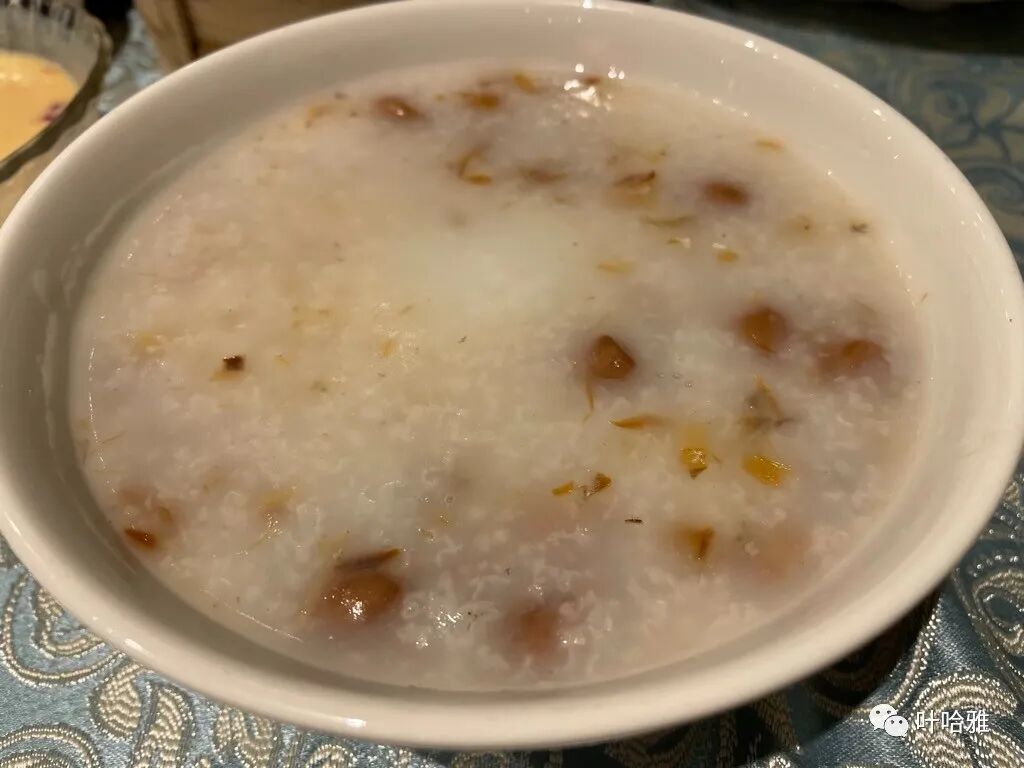
Dried fish and peanut congee
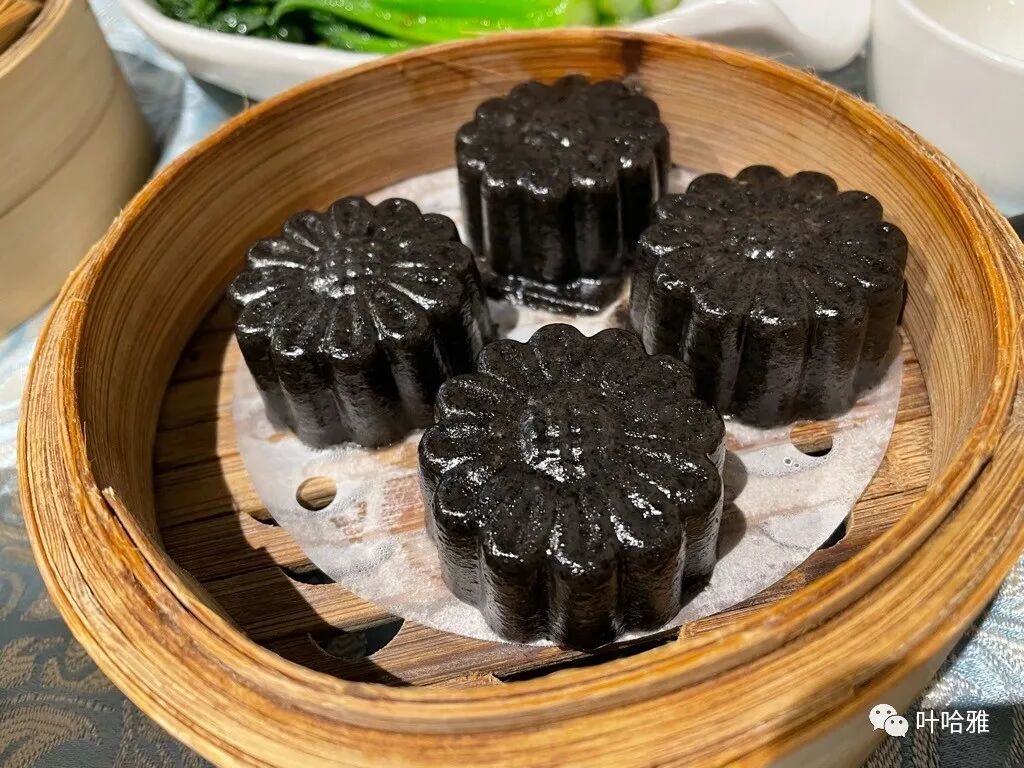
Healthy sesame cake
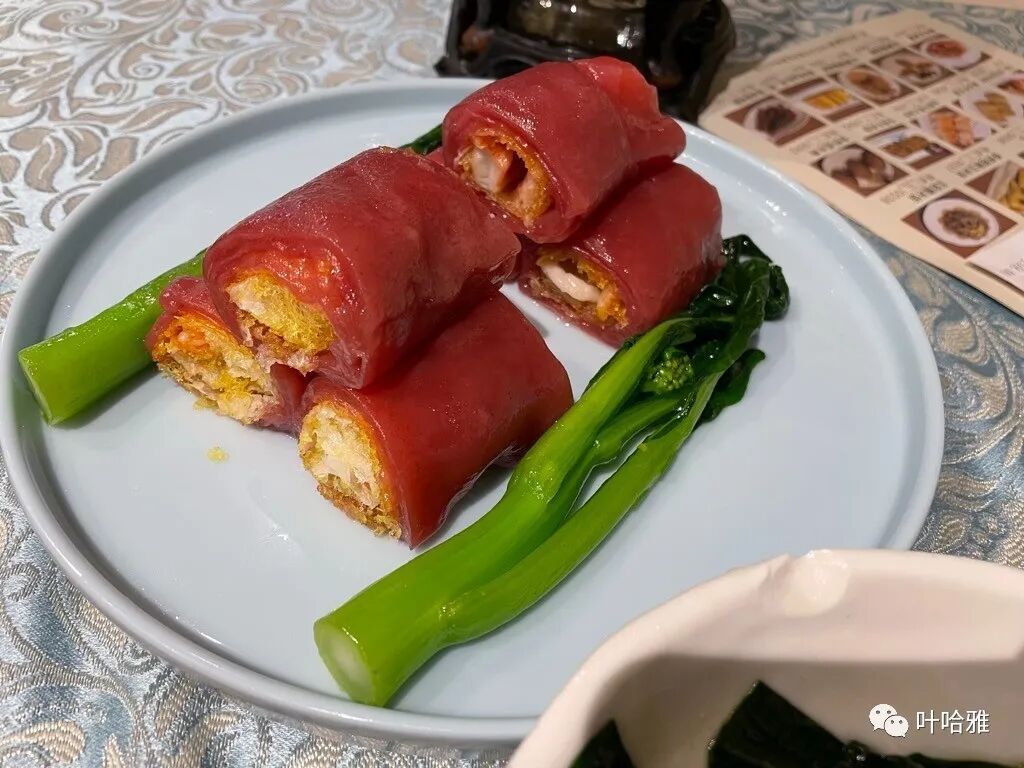
Southeast Asian fresh shrimp red rice noodle roll
2
Hui Muslim Restaurant
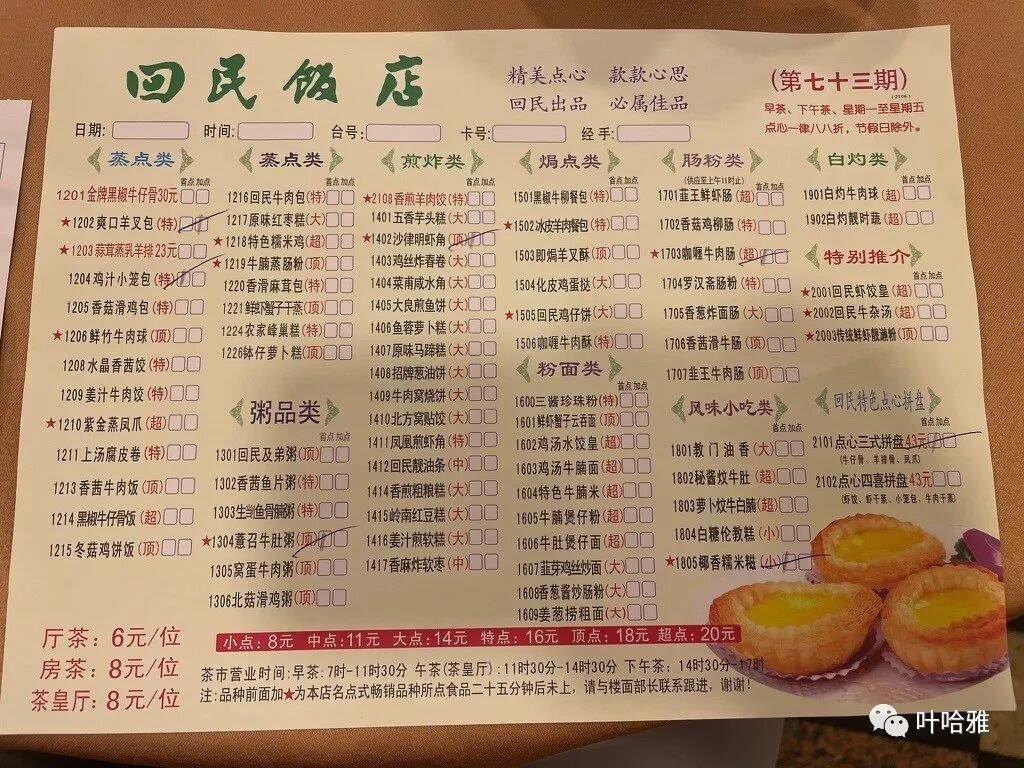
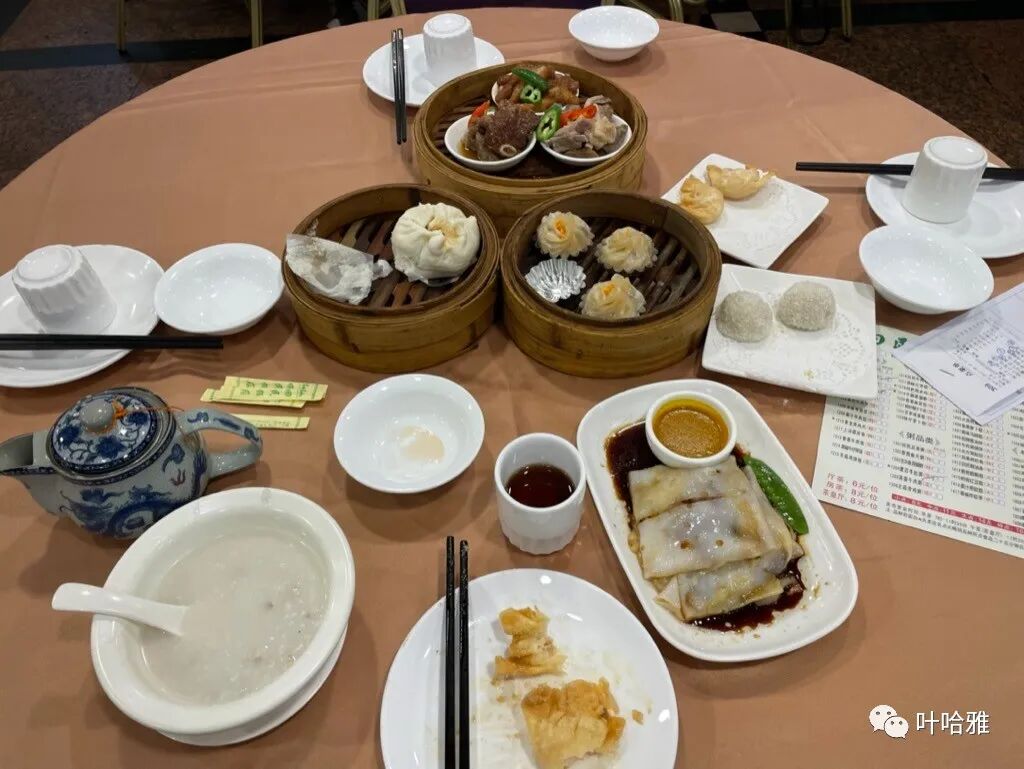
Hui Muslim Restaurant is a long-standing state-run spot in Guangzhou that has been open for over half a century. Most people eating here are local Guangzhou residents from the neighborhood. I asked my local friends in Guangzhou, and they approve of the food quality here. They serve morning tea, afternoon tea, and regular meals, and there is a discount for morning tea on weekdays.
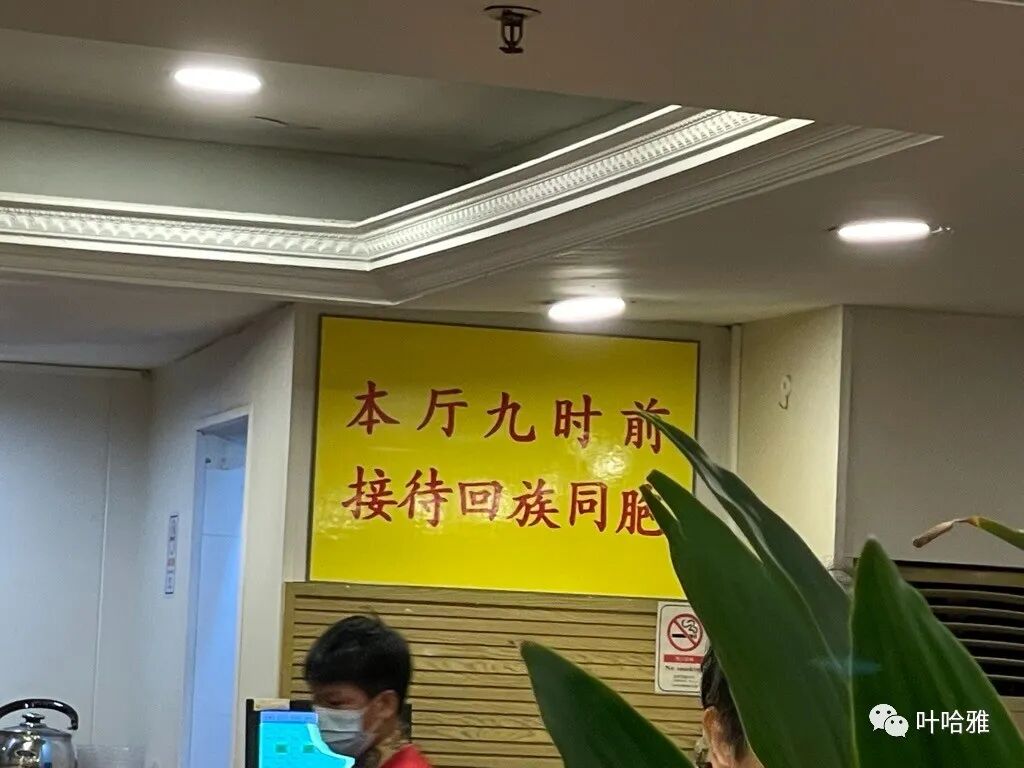
Inside the restaurant, there is a sign saying they welcome Hui Muslim brothers and sisters before 9 a.m. However, when I arrived before 9 a.m., I mostly saw local residents of all backgrounds. The restaurant has a strong state-run vibe, and the service is decent. The tea set is not as fancy as the one at Xinjiang Mansion; it is just one teacup and one teapot. The environment is also noisier because the space is small.
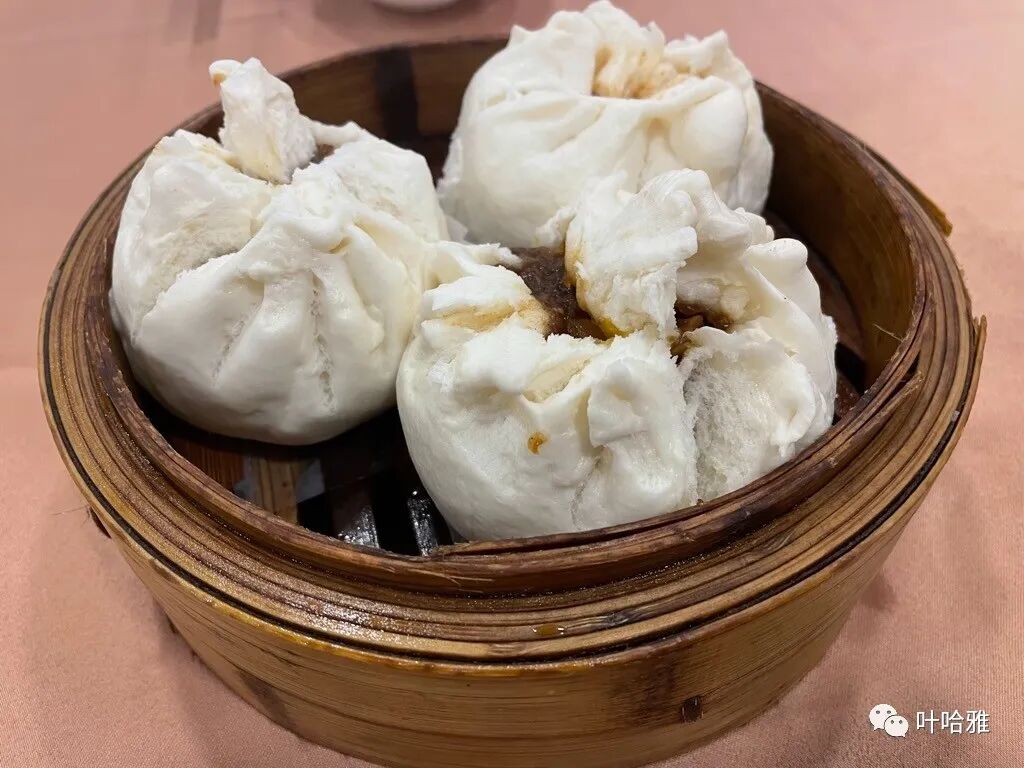
Lamb barbecue pork bun (char siu bao)
For Cantonese dim sum, the Hui Muslim restaurant makes it more authentic. Take this lamb barbecue pork bun (chashao bao), for example; it is unique to Guangzhou. Barbecue pork (chashao) means meat roasted on a fork, then wrapped using the bun-making technique, which is why it is called a chashao bao. The top of the bun naturally splits open after steaming. I eat this every time I visit, as it is hard to find such authentic and delicious chashao bao once I leave the Hui Muslim restaurant.
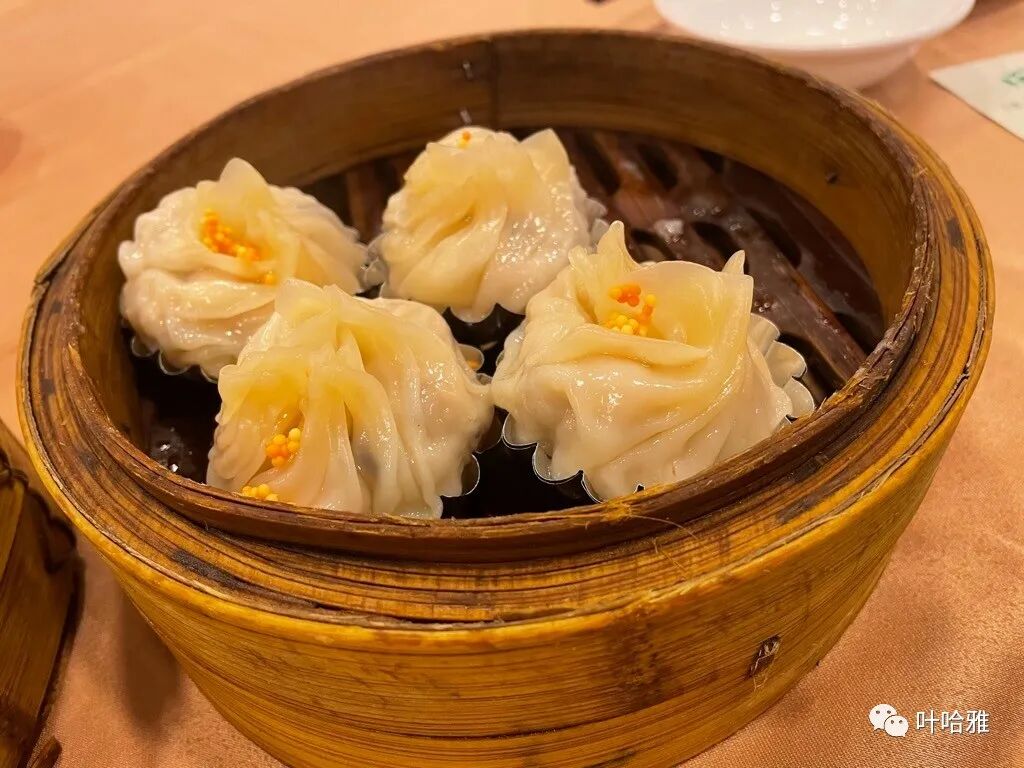
Chicken broth soup dumplings (xiaolongbao)
Soup dumplings (xiaolongbao) are one of my favorite breakfasts. When my appetite is not fully awake in the morning, I prefer delicate flour-based snacks. I might not have the appetite to finish a large steamed bun.
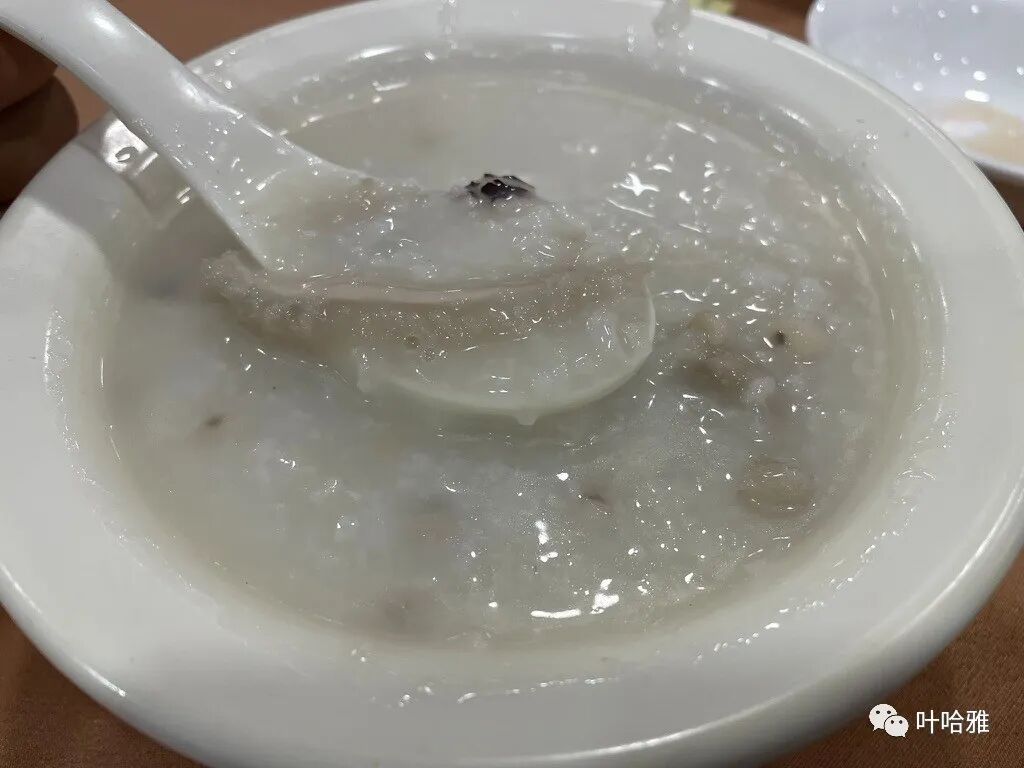
Job’s tears and beef tripe porridge (yizhao niudu zhou)
Being able to drink various nutritious porridges for breakfast is something I dare not expect in Beijing. However, I have to complain about the porridge at the Hui Muslim restaurant. It does not taste like it was freshly cooked this morning; it tastes like a pre-made product that was heated up. Freshly cooked porridge has a thicker texture, and in this regard, it is not as good as the Xinjiang Building.
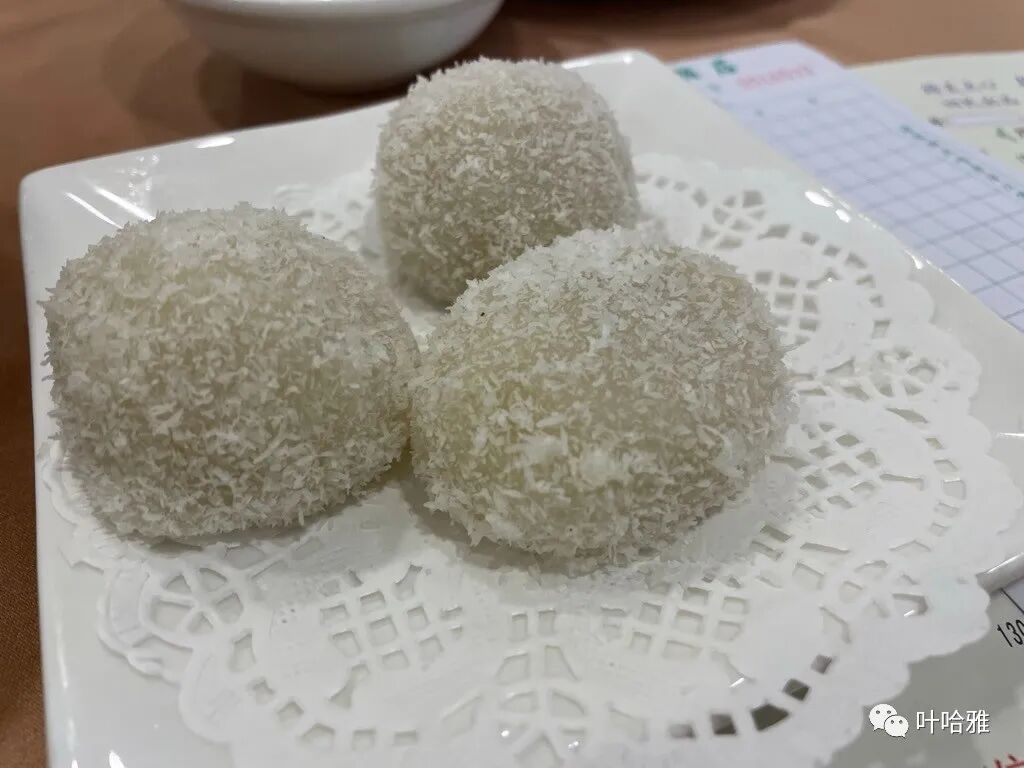
Coconut sticky rice cake (yexiang nuomici)
The taste of the dim sum is quite good, but the appearance is plain. It is not as delicate as the ones made at the Xinjiang Building, so it is not suitable for taking photos to post on social media. Many friends have told me that the service at the Hui Muslim restaurant is poor. Although I did not experience this myself, in terms of small details, the dining comfort at the Xinjiang Building is slightly better.
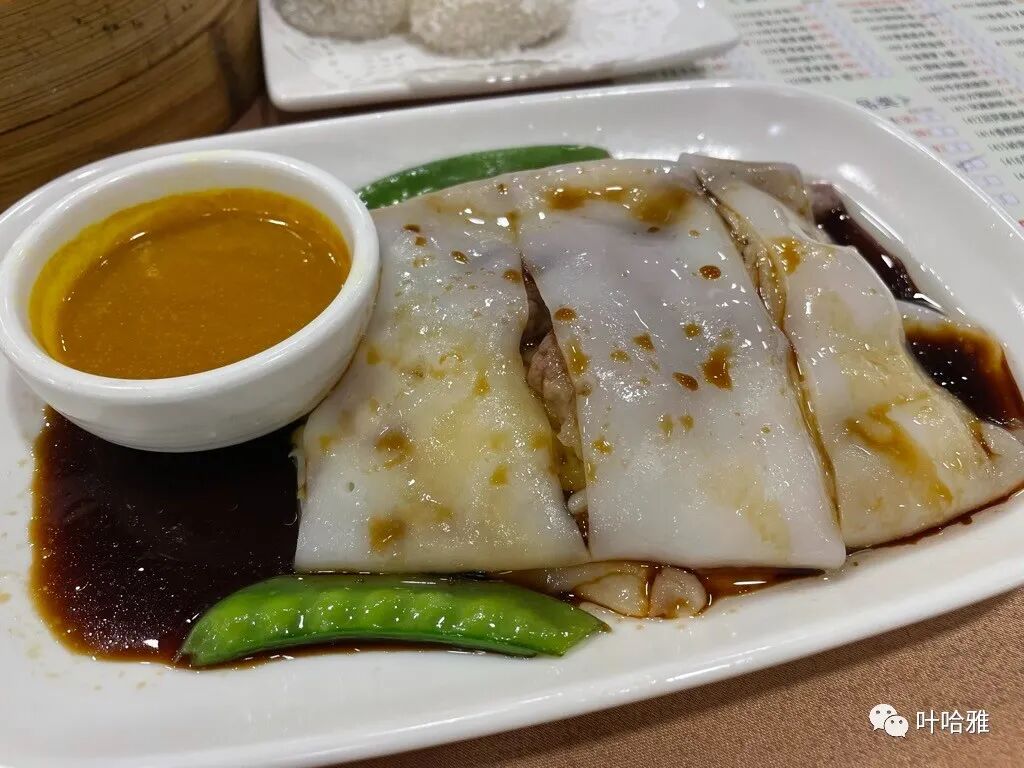
Curry beef rice noodle rolls (gali niurou changfen)
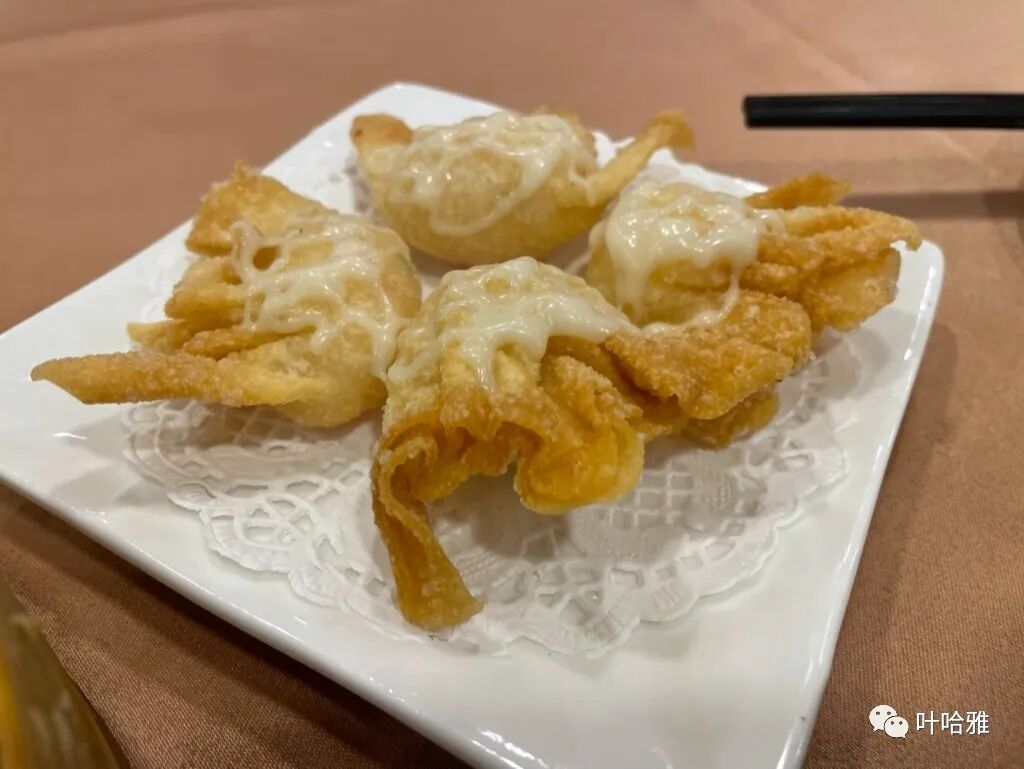
Salad shrimp dumplings (shali mingxia jiao)
The dim sum trio platter I ate today tasted a bit salty. It was not this salty when I had it before.
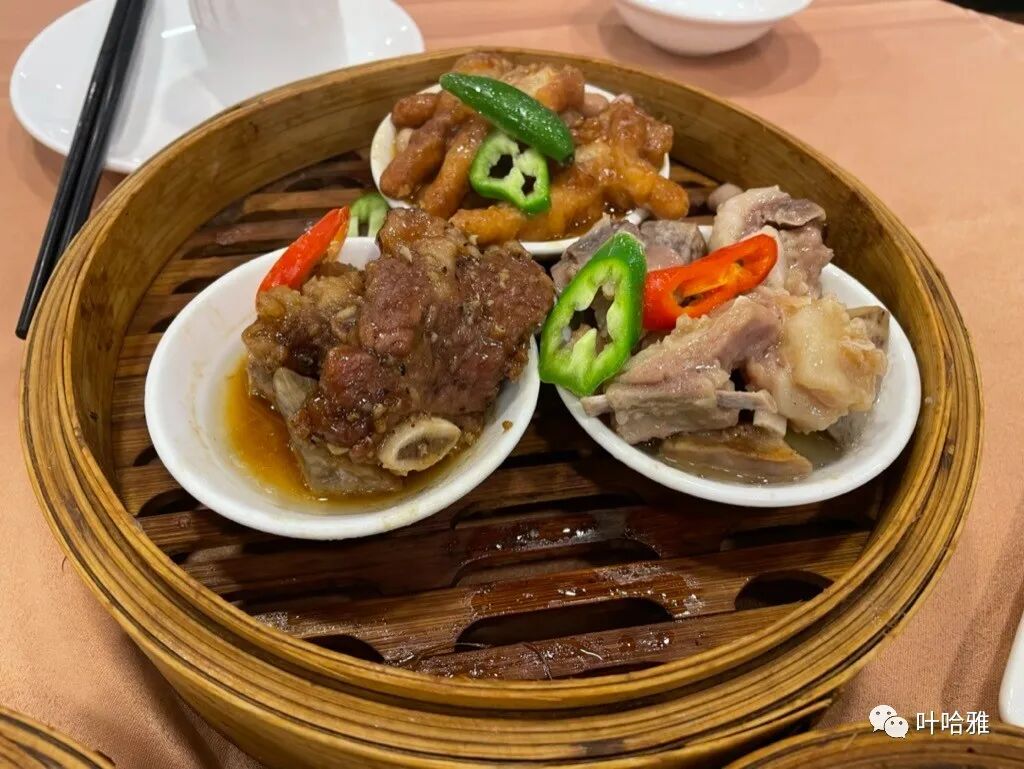
Dim sum trio platter (diansin sanshi pinpan)
3
Ma Xiaohuo Handmade Pulled Noodles (lamian)
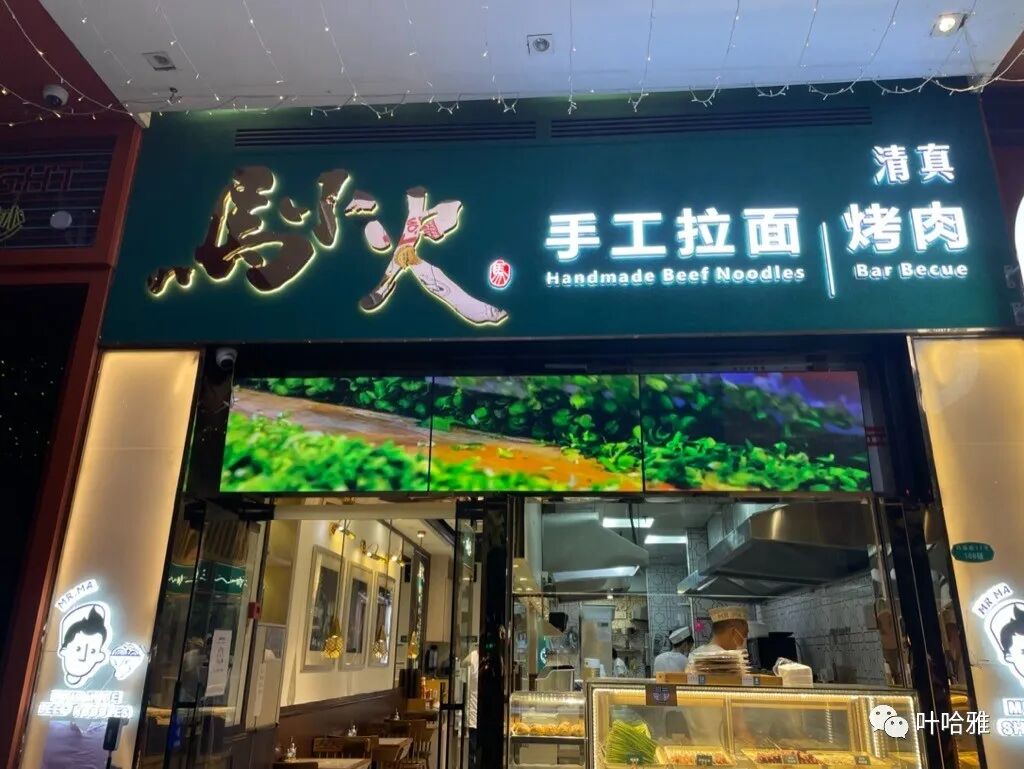
I found this place by accident. I was catching up with a friend at a cafe, but they felt the air conditioning was too cold, so we moved outside. Suddenly, a storm hit Guangzhou. We ducked into this little shop to escape the rain, ordered some food, and were surprised by how good it tasted.
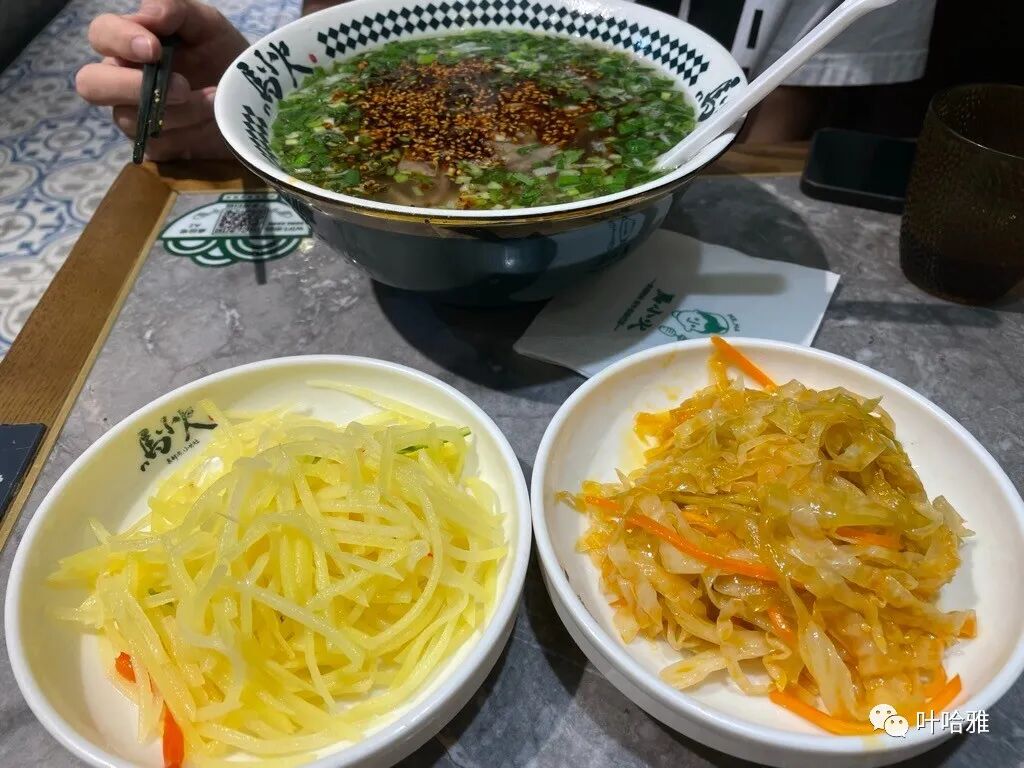
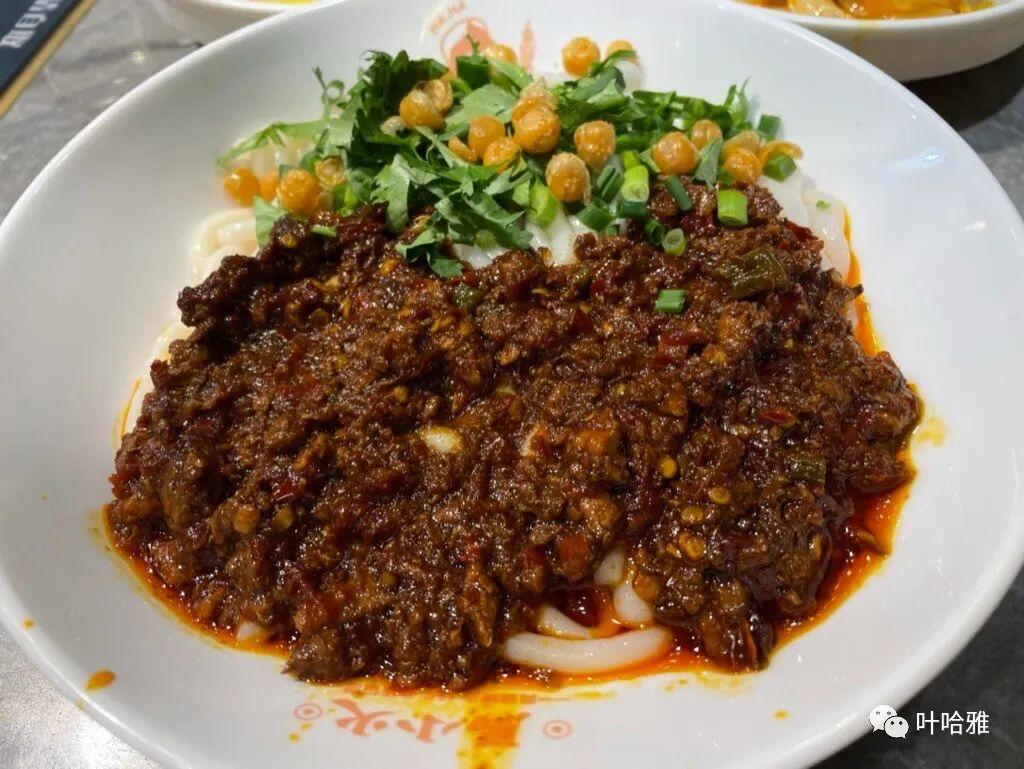
My friend had a bowl of pulled noodles, and I ordered a portion of Xinjiang rice noodles (mifen). The rice noodles came with plenty of toppings and tasted great. The shop is clean and bright. It is small, but the dining experience is very comfortable. This is a chain, and there are currently three branches in Guangzhou.
4
ANTALYA Turkish Restaurant
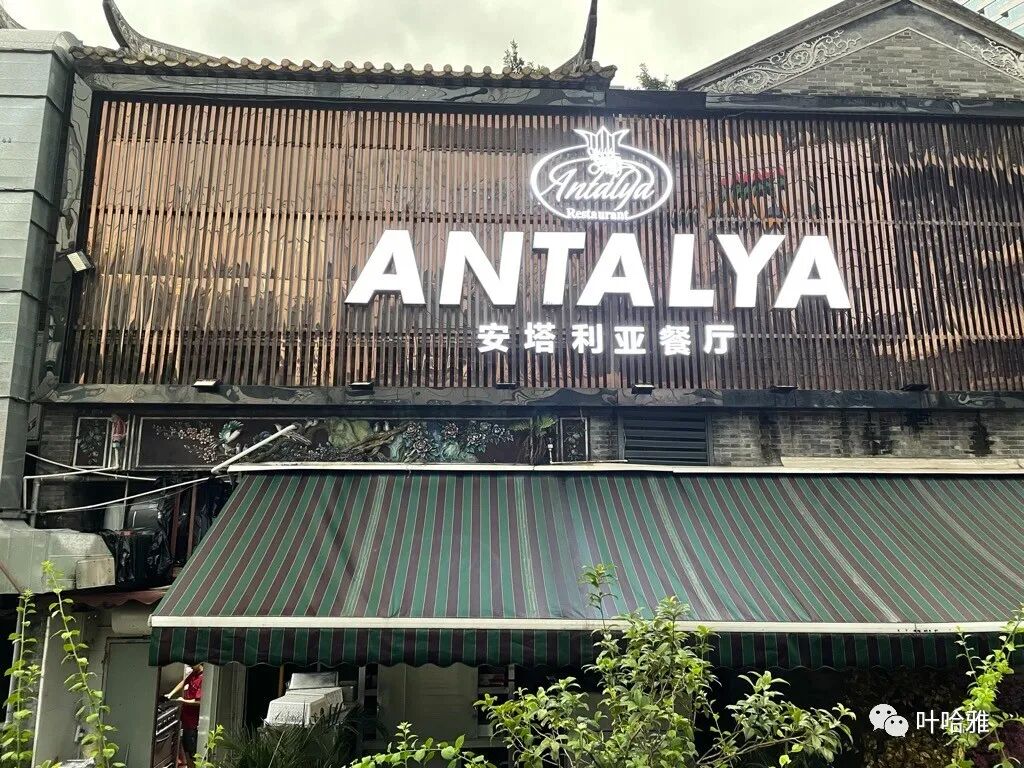
The Antalya restaurant in Liede was the first place we chose for our team building. The second floor has Central Asian-style decor where you take off your shoes and sit on rugs. You used to be able to experience this at Rumi’s Secret in Beijing, but unfortunately, that location has closed. I heard a new Rumi’s Secret opened in Urumqi, and I hope they do well.
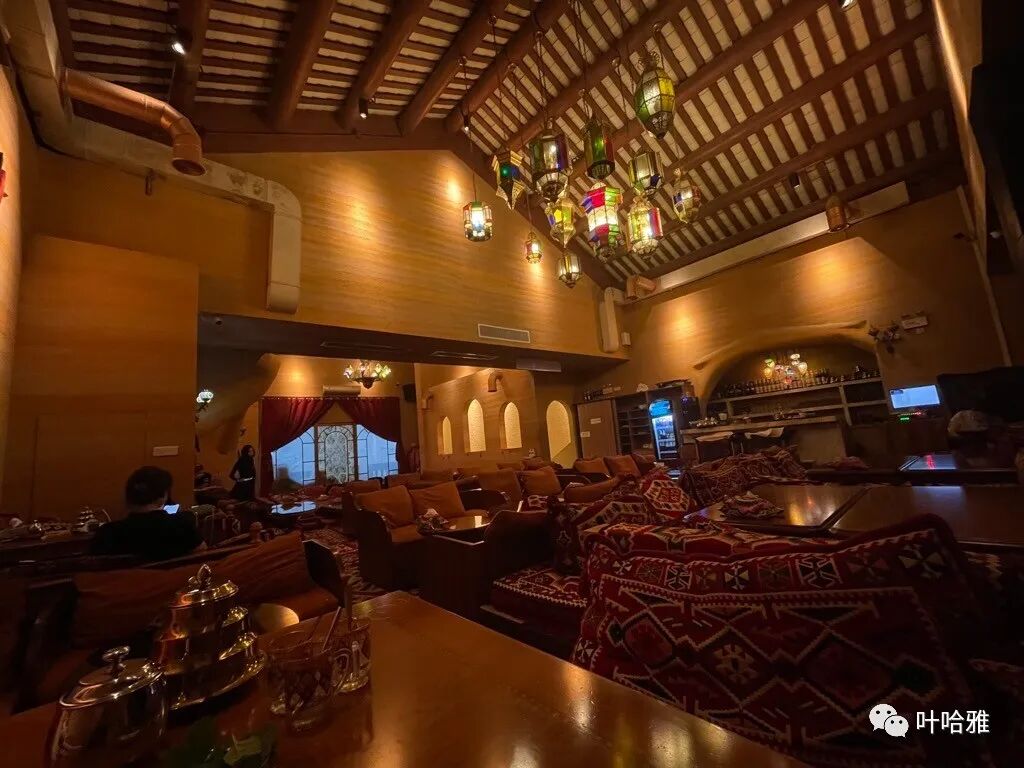
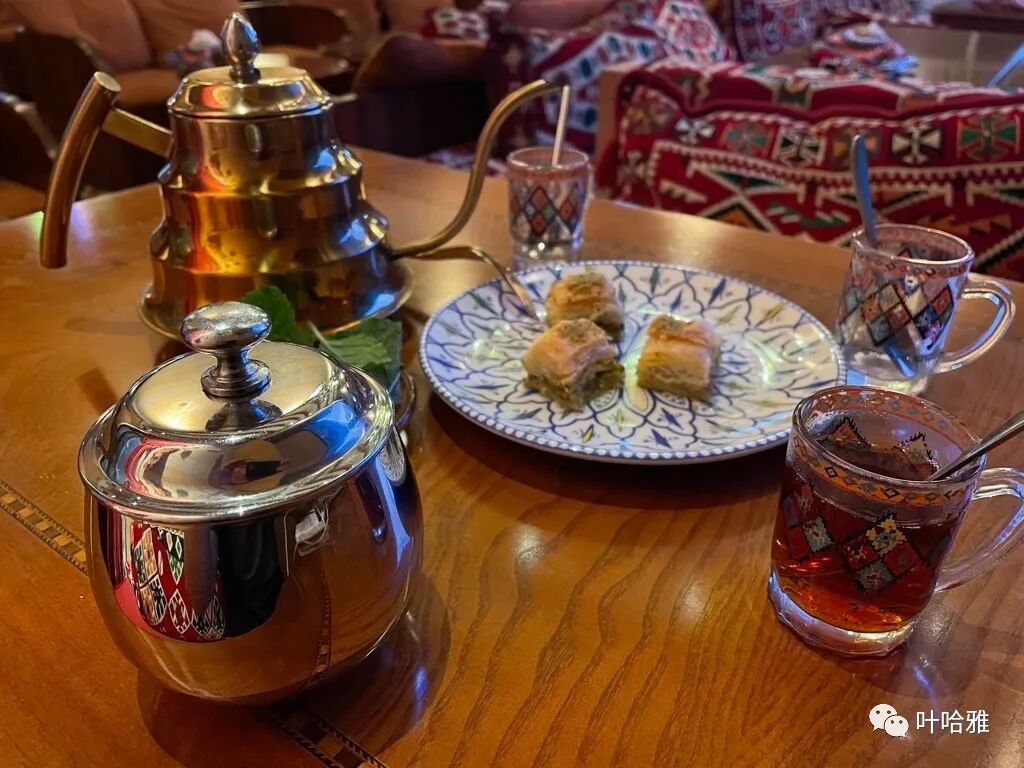
For Middle Eastern cuisine, black tea and the pastry baklava are must-haves. I also had my favorite Turkish coffee. No matter if it is day or night, I always have a cup when I eat Turkish food.
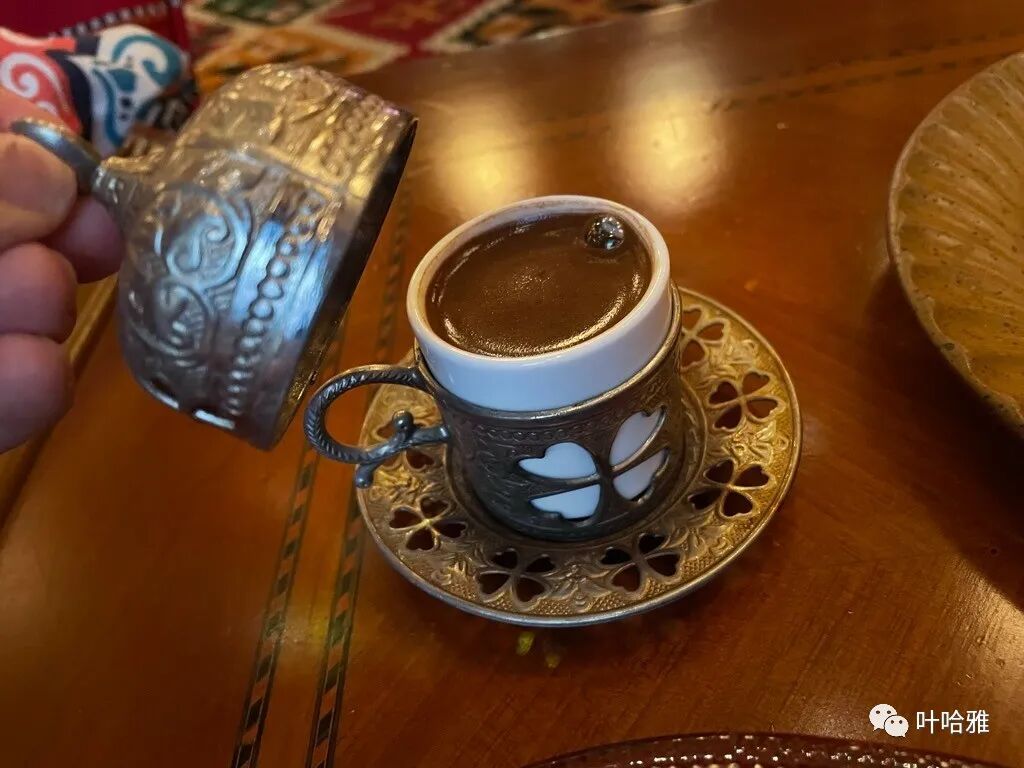
Besides being thick and containing coffee grounds, the coffee cup is a highlight of Turkish coffee. It must not be served in a clear glass; it has to be in an exquisite porcelain cup to be authentic.
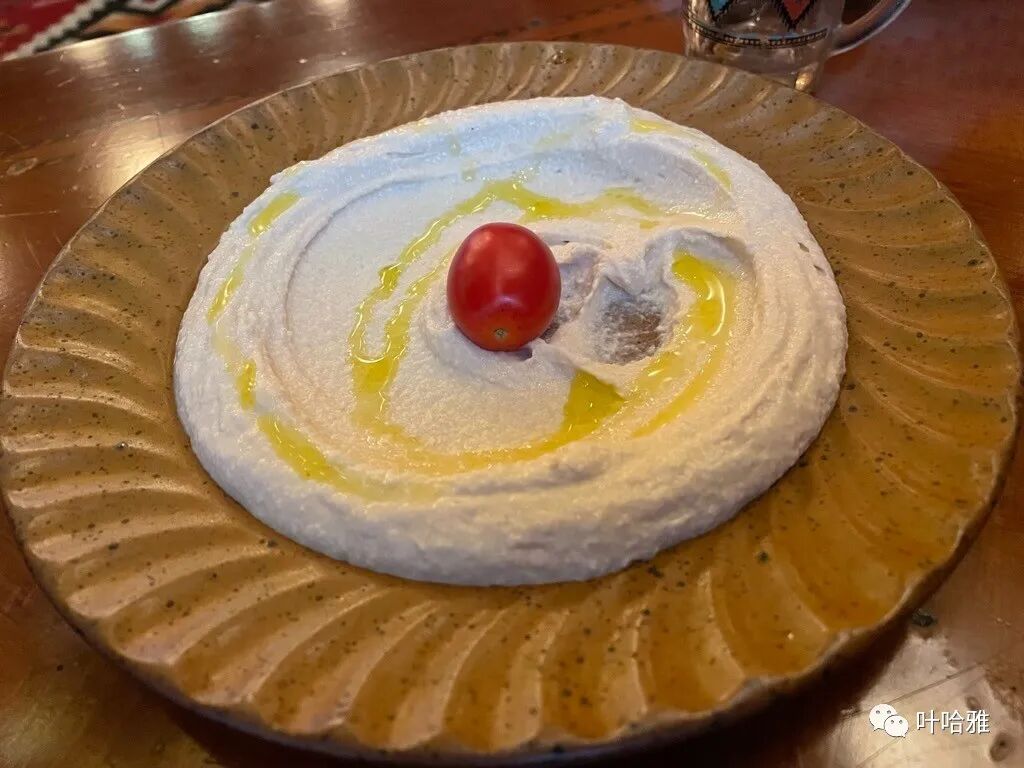
Hummus
The overall feel of this restaurant is just like Rumi’s Secret, and the prices are similar, averaging about 200 yuan per person. The flavors are a bit localized and milder, which suits Chinese tastes better.
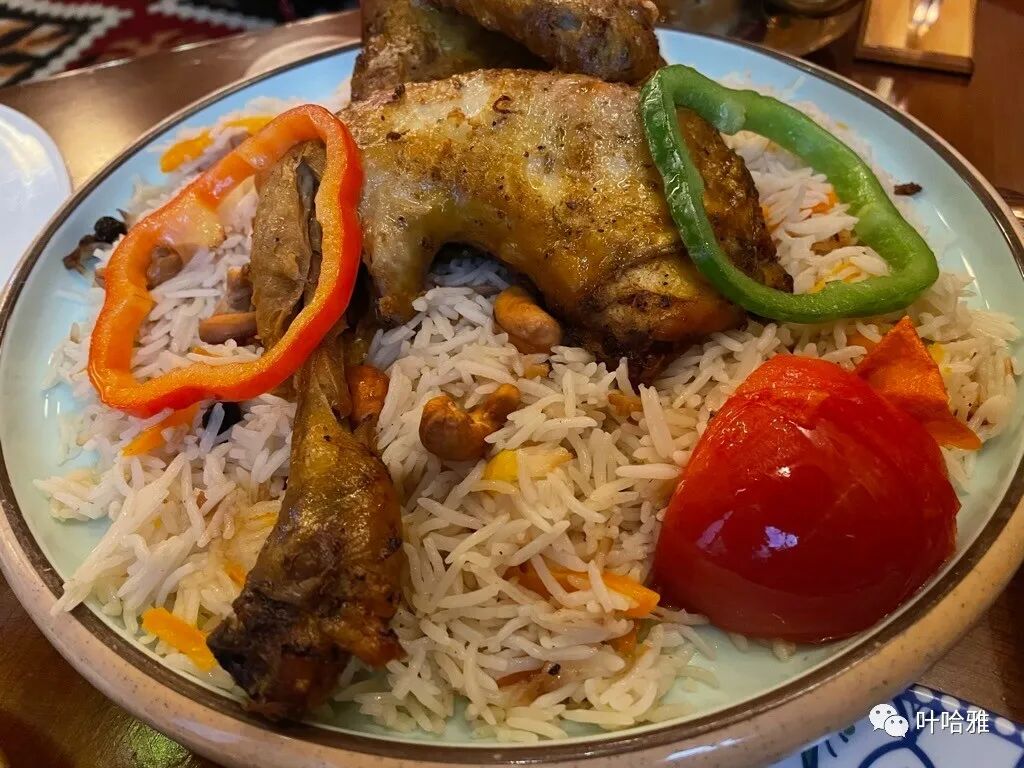
Chicken leg with Arabic rice
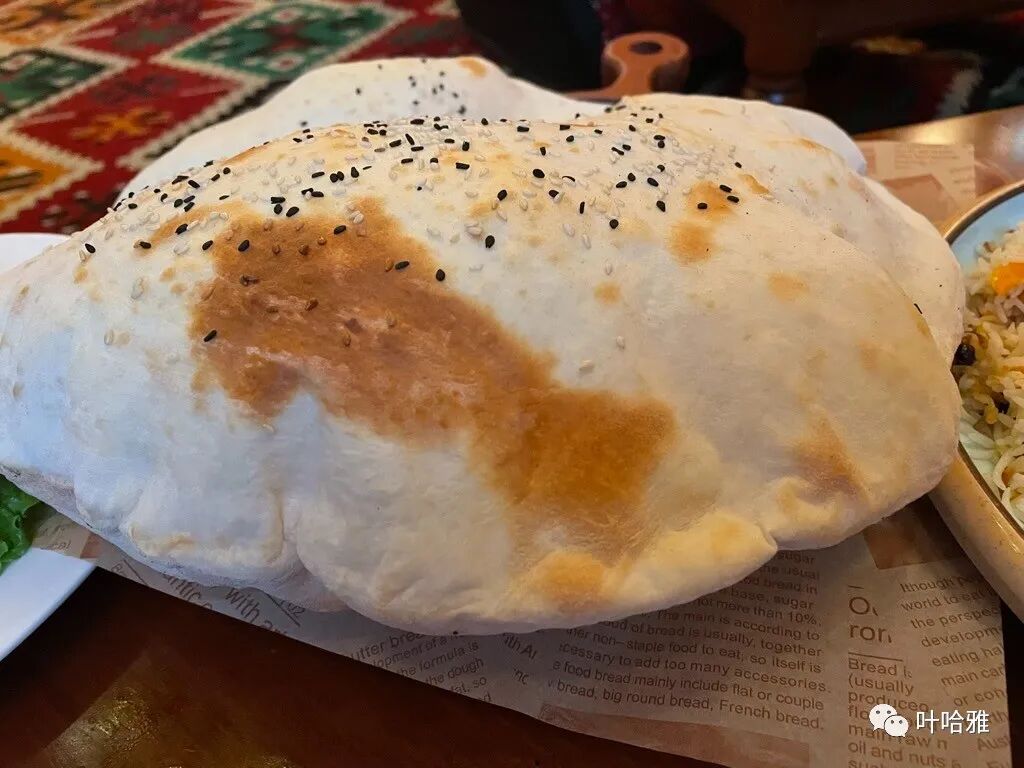
Hollow balloon bread
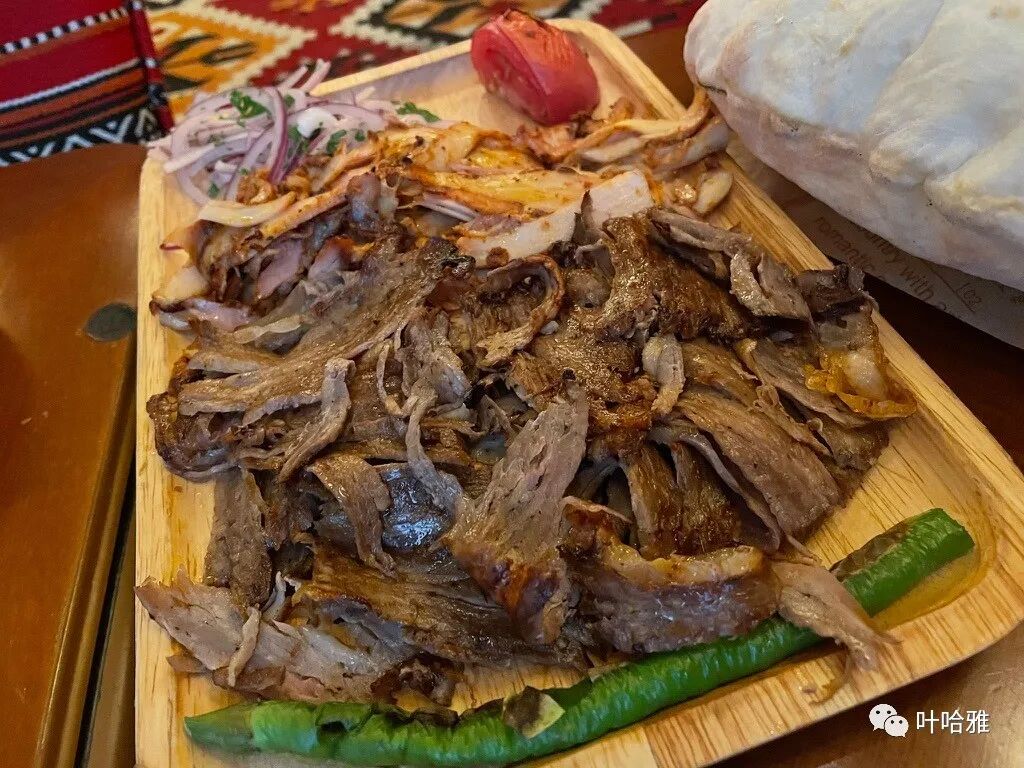
Chicken and beef mixed kebab platter
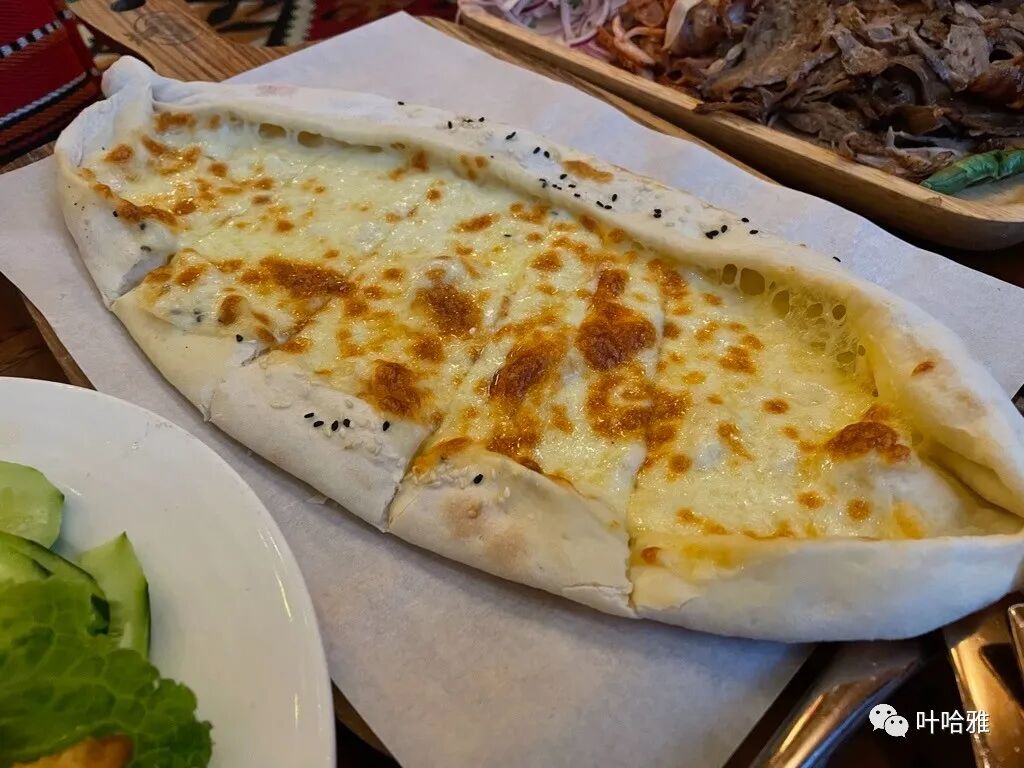
Cheese flatbread (pide)
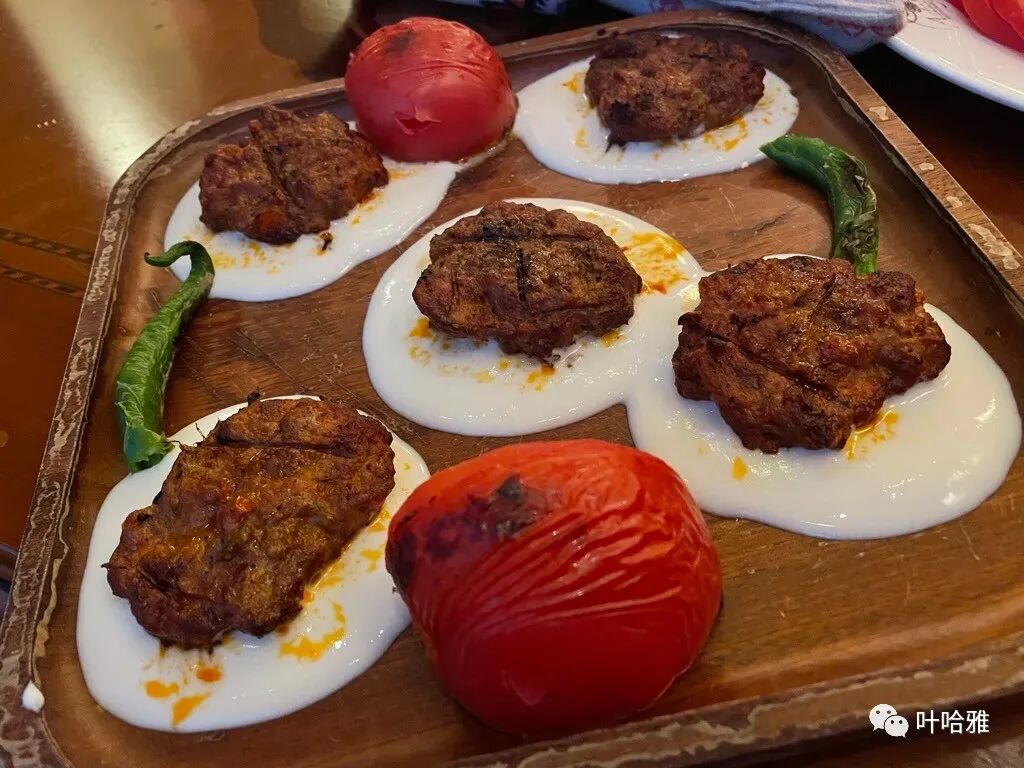
Lamb pie served with yogurt
I have to say a few words about this final ice cream. It is not as good as Kubei in Beijing. Kubei’s ice cream comes from MADO, a Turkish ice cream shop that uses goat milk as its main ingredient. I will introduce the MADO ice cream shop in Guangzhou specifically later.
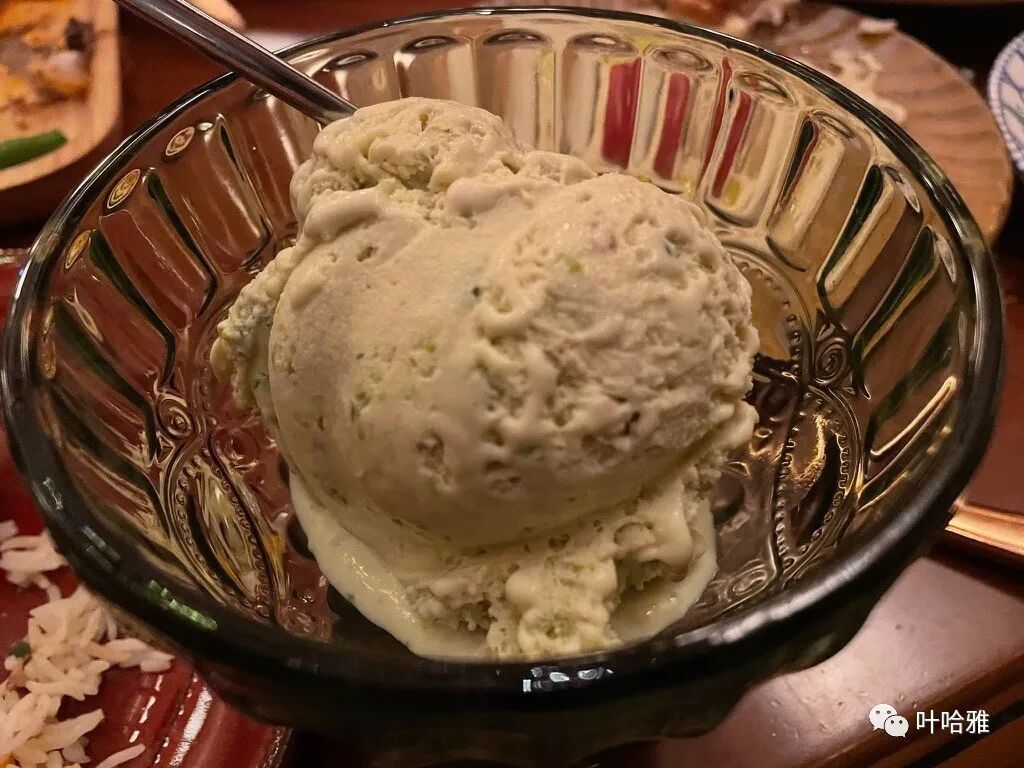
Ice cream
5
MADO Turkish Ice Cream and Coffee Shop
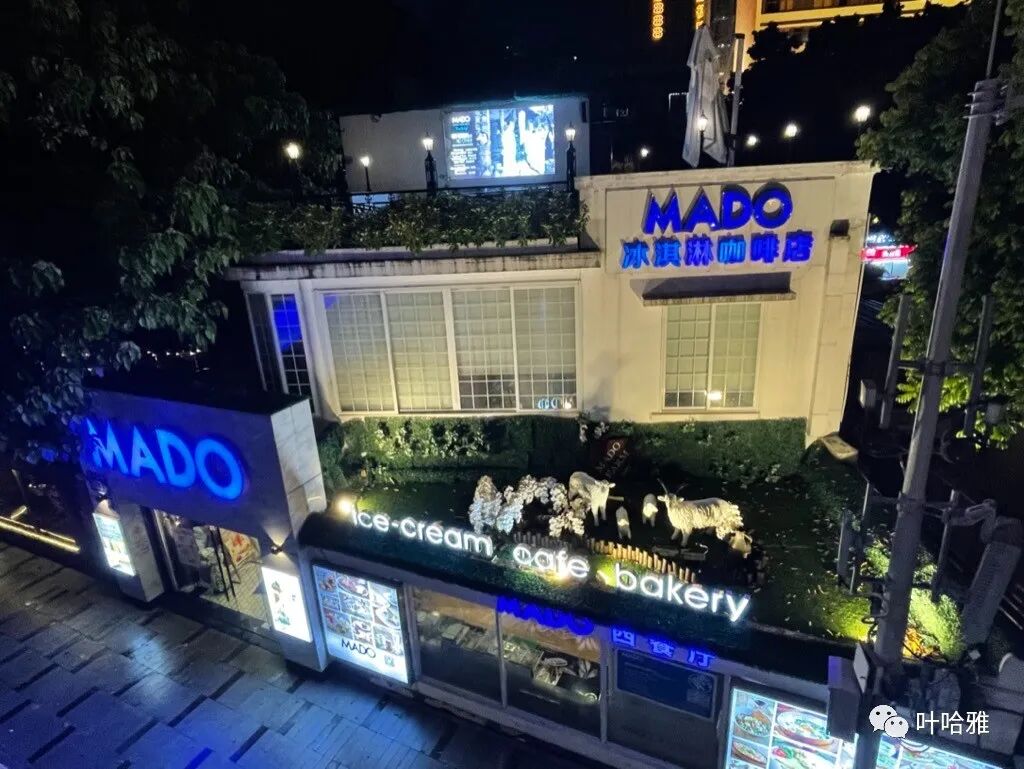
MADO is very famous and I had heard of it for a long time. I kept thinking about the rich milky flavor of the MADO ice cream I ate in Beijing. Before coming here this time, I checked and found that there are two branches in Guangzhou. We ate at MADO twice because most of the members of our Guangzhou team are women who love it, so I had to arrange it.
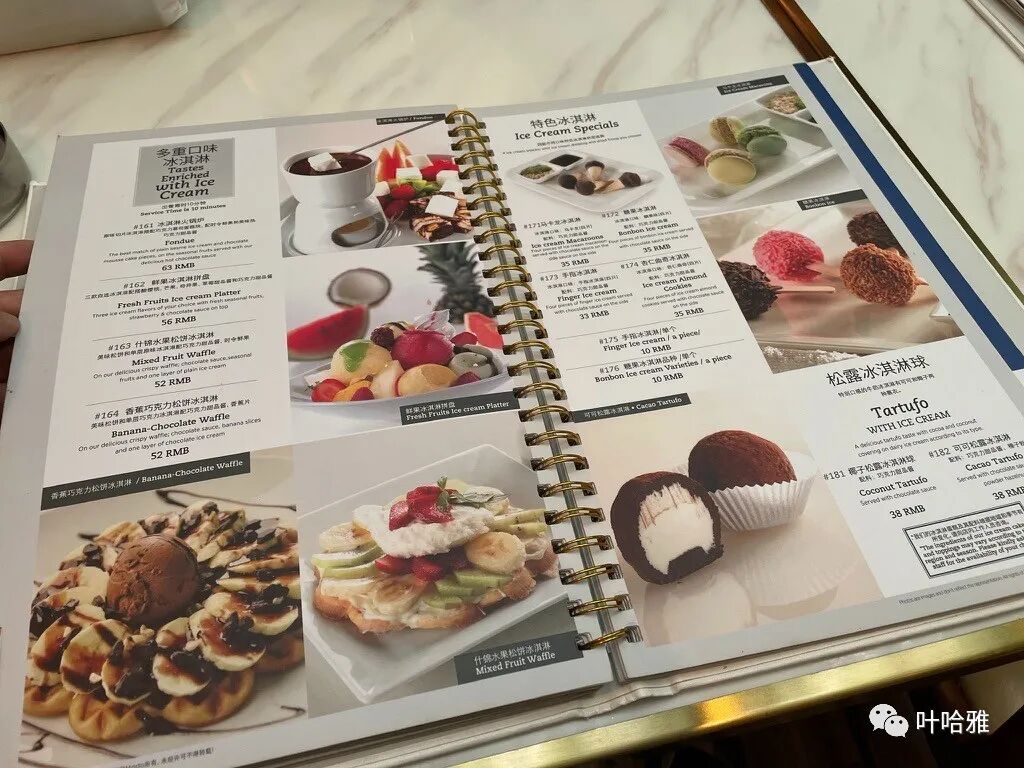
The ice cream shop has a wide variety of sweets and also serves main courses of Turkish cuisine. However, the quality of the main courses is not as good as the ice cream, so I suggest only eating ice cream there.
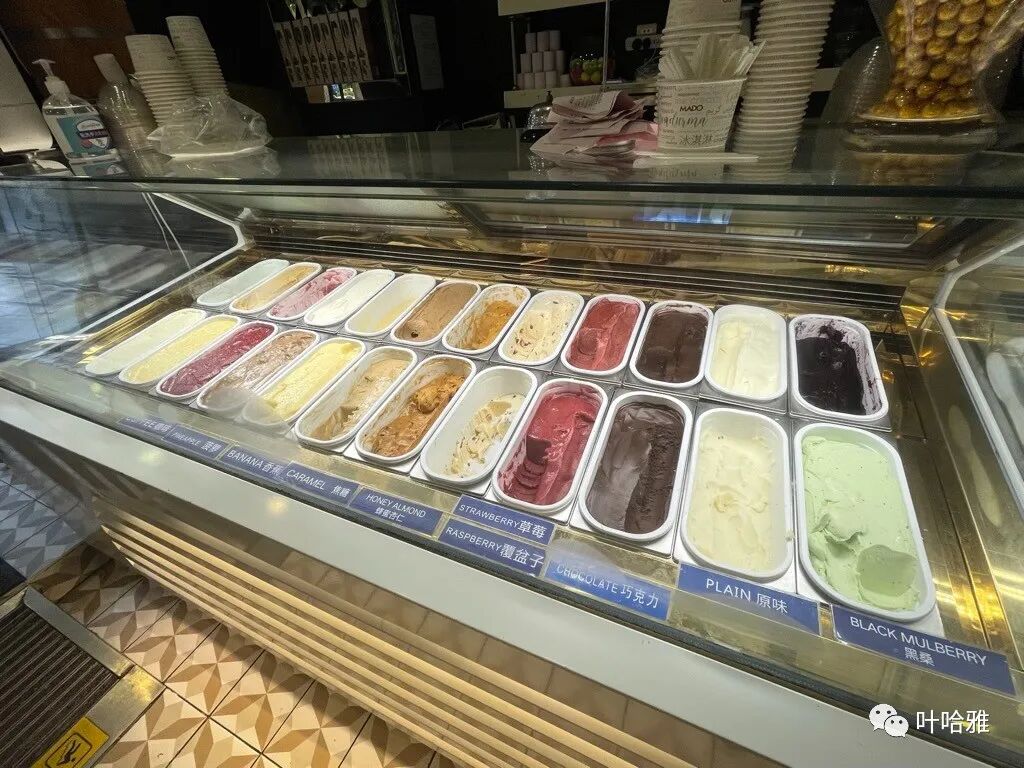
When you enter the shop, you can order ice cream first. You can mix and match from over twenty flavors. You can order a four-layer serving with four different flavors, which is the best value.
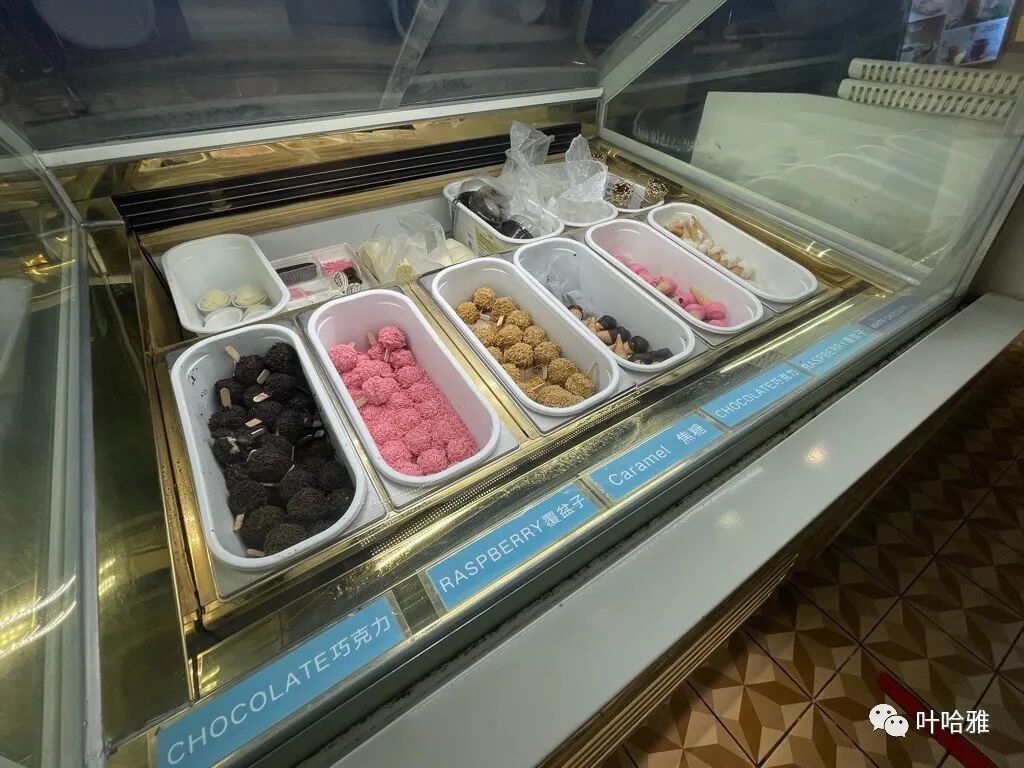
You can also sprinkle various toppings on the ice cream. I like the original handmade ice cream the best. It has the silkiest texture and is full of milky flavor. None of the other flavored ice creams are as good as the original.
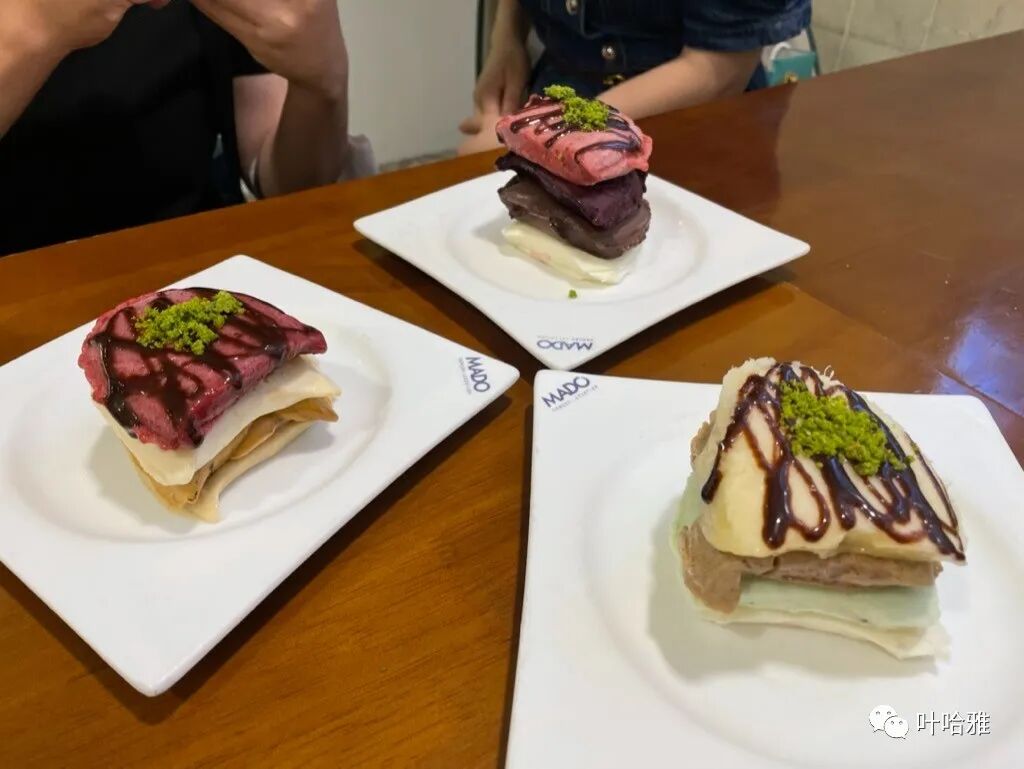
The girls love the raspberry flavor. Raspberries are red, sweet, and tart, and Lu Xun even mentioned them in his writing.
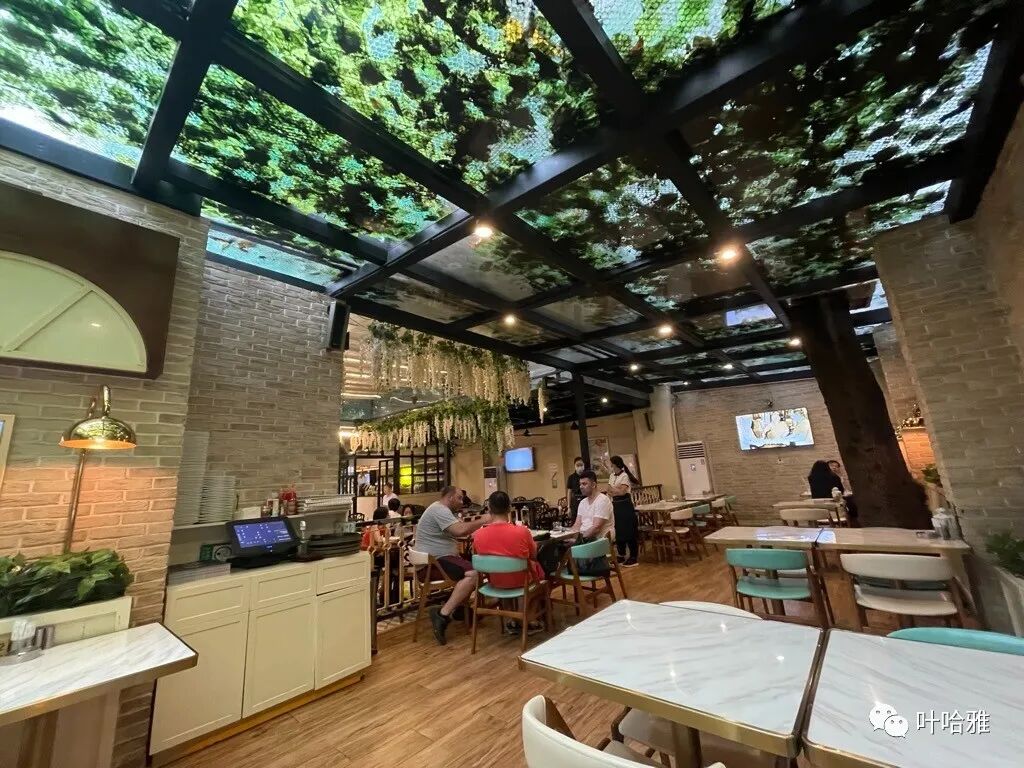
The customers at the Turkish restaurants in Guangzhou are mostly foreigners. They like to chat and smoke shisha in the cafes.
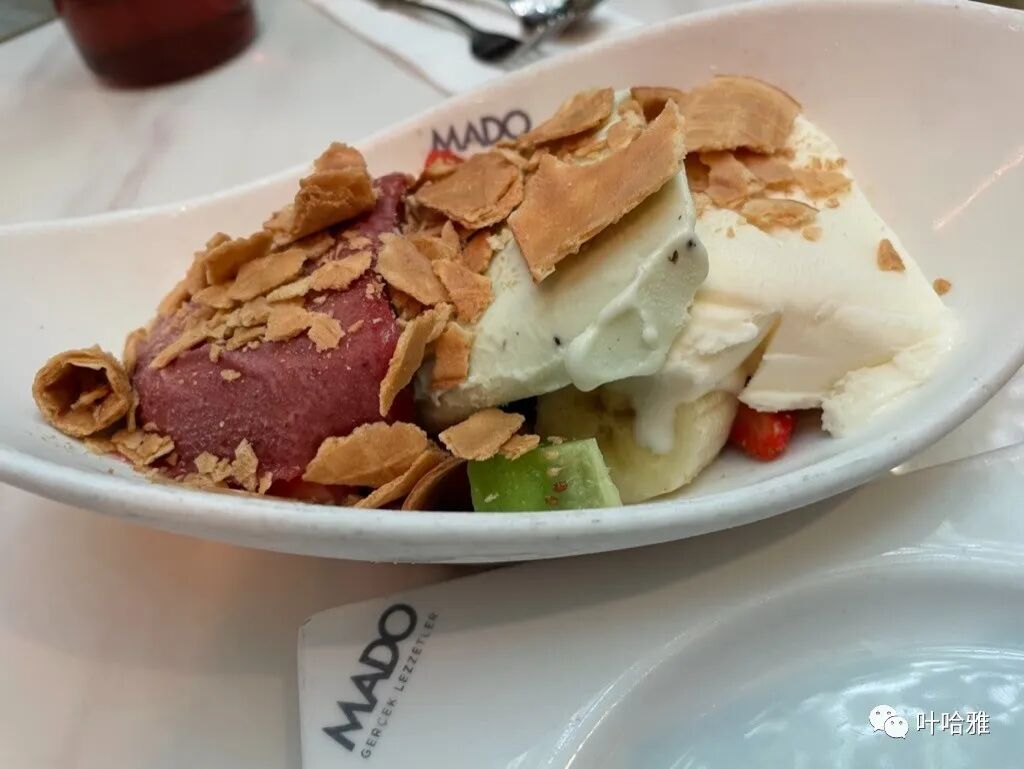
Sultan’s Ship
If you see the colorful ice cream on the menu and don’t know what to pick, I suggest the handmade ice cream. The original flavor is the best, so don’t add any extra toppings.
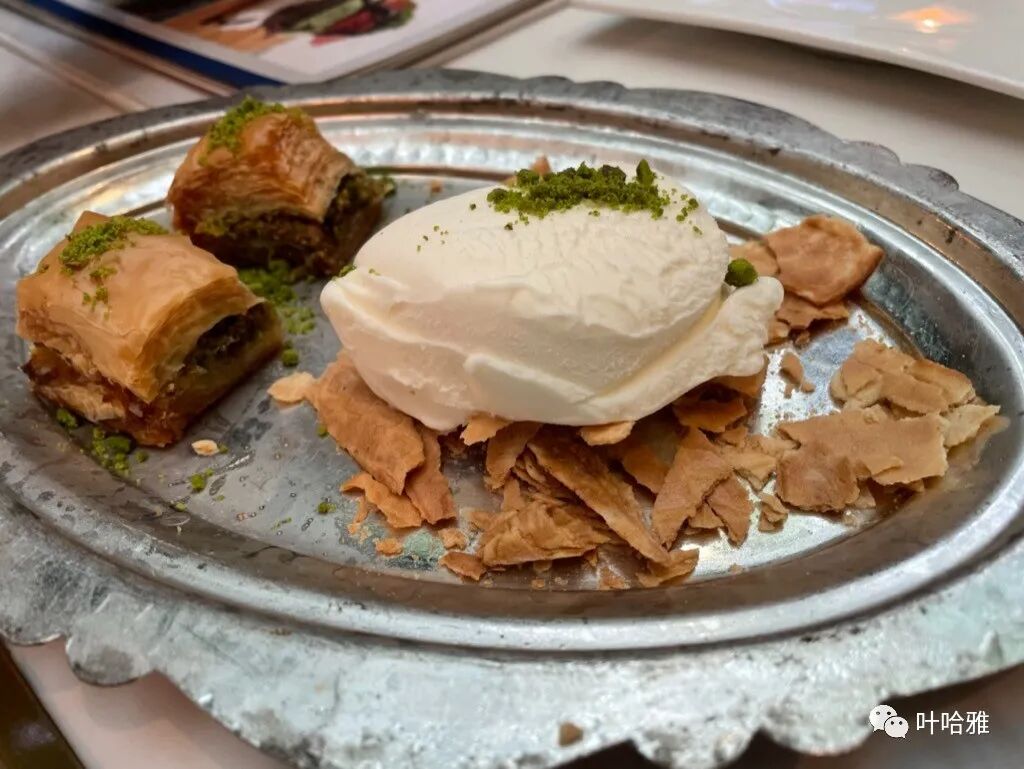
Handmade ice cream
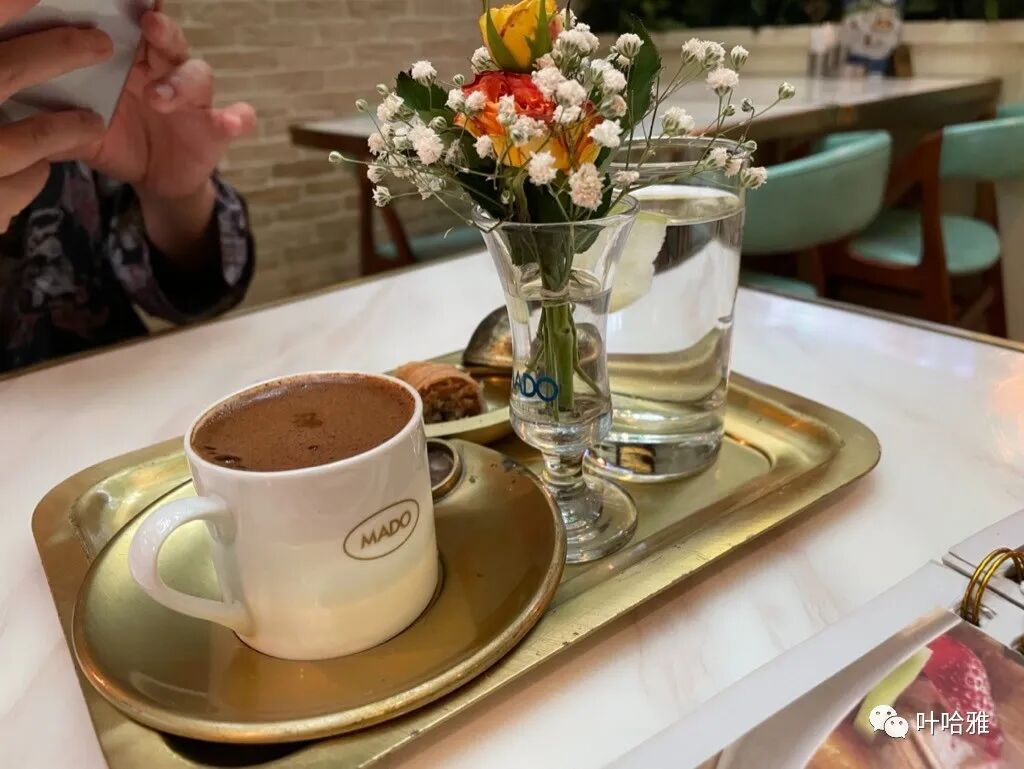
The Turkish coffee is made so delicately and even comes with a small flower for decoration. I felt happy the moment I walked into this shop, and eating dessert always puts me in a good mood. I really hope they open a branch in Beijing, where many people still love eating ice cream even in the winter.
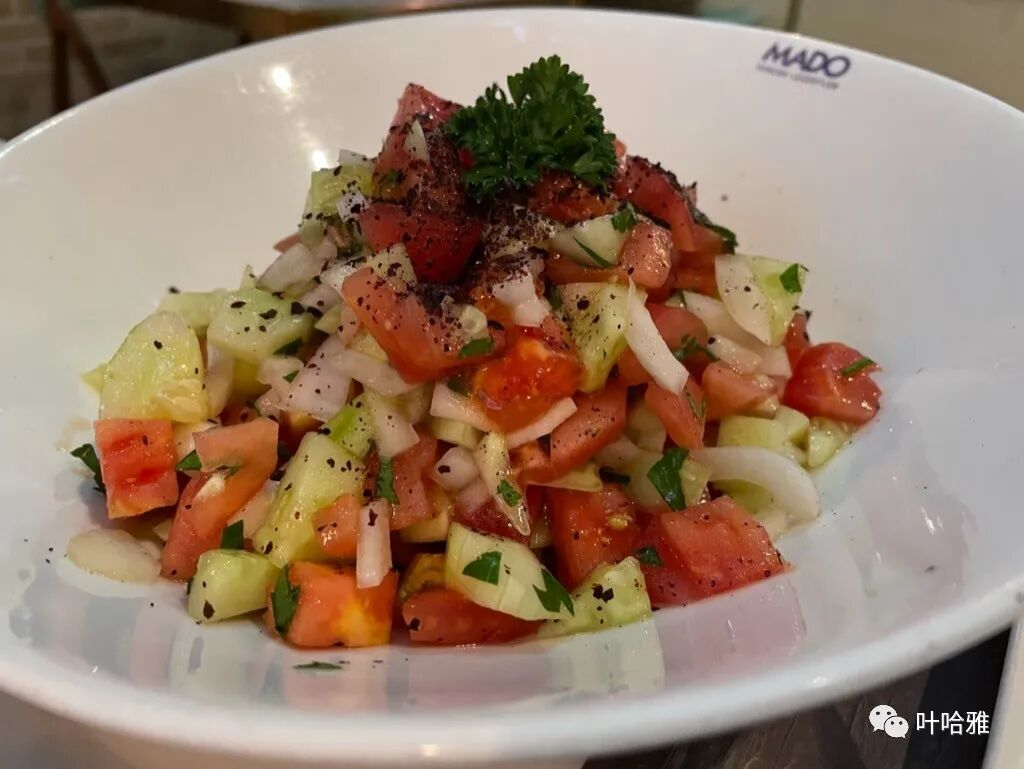
Shepherd’s salad
The main courses are just average and don’t taste as good as those at Turkish restaurants that specialize in full meals. It is better to come here for afternoon tea or a late-night snack to have ice cream and desserts.
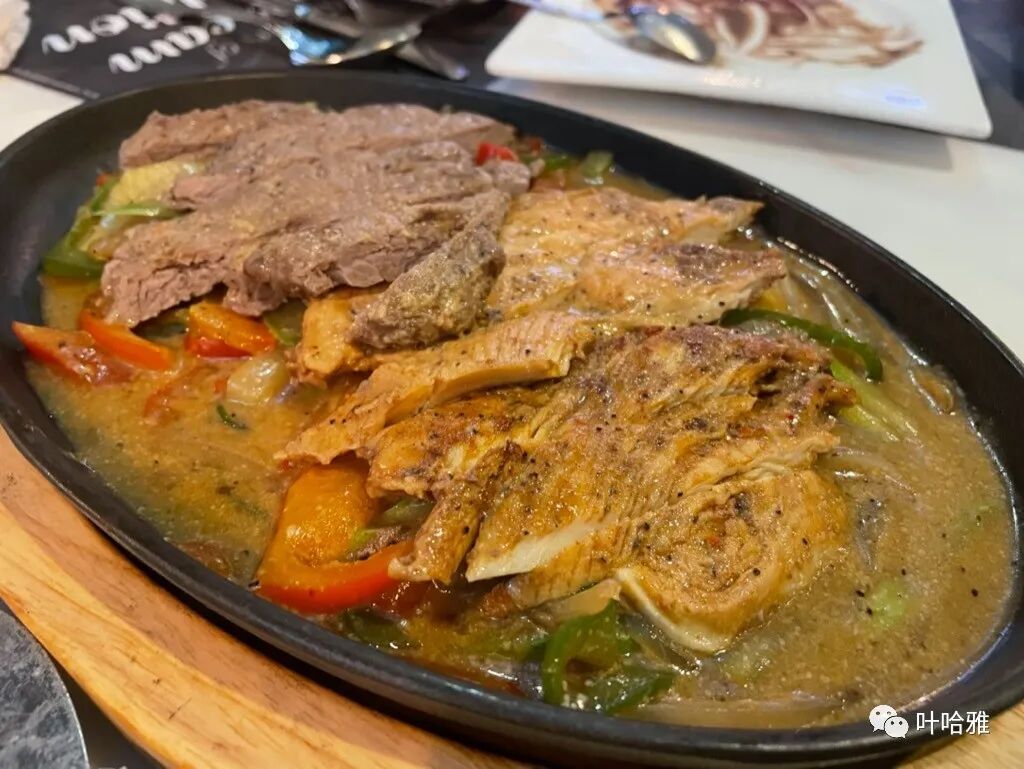
Mexican grilled meat wrap
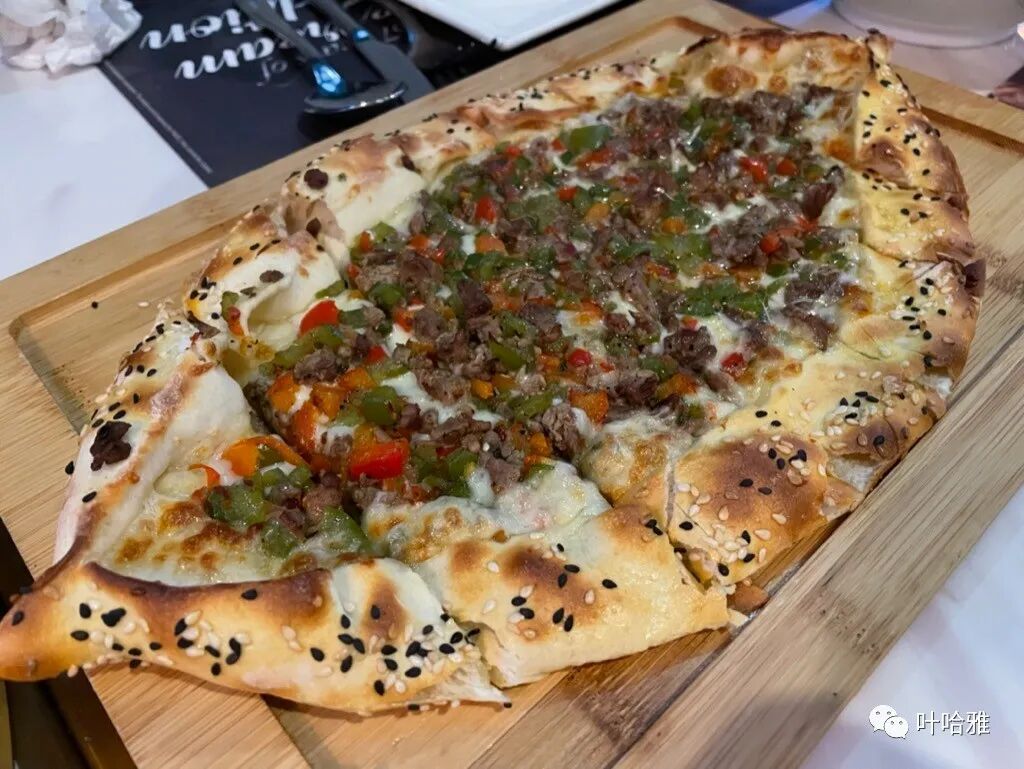
Turkish stuffed pie
6
Pandan Indonesian
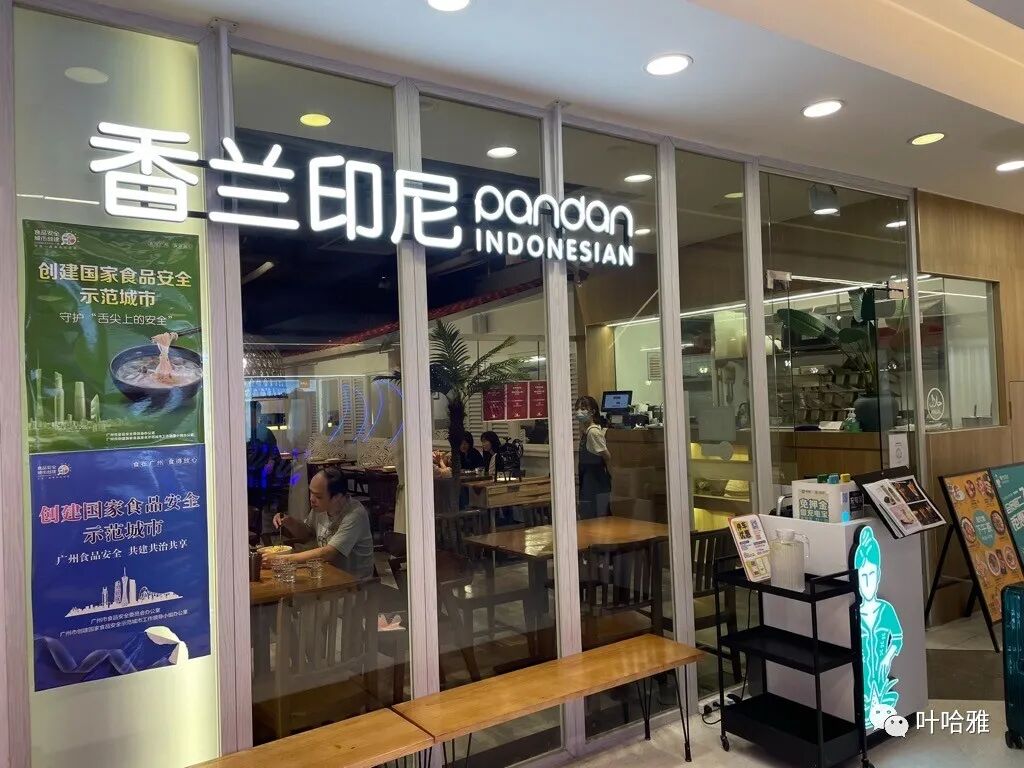
The highlight of my Guangzhou trip is this Indonesian restaurant. Since all the Southeast Asian halal restaurants in Beijing closed down, I haven’t had authentic Nanyang-style food near home. The last time I had Indonesian food was in Indonesia before the pandemic, but I didn’t even find food this good there.
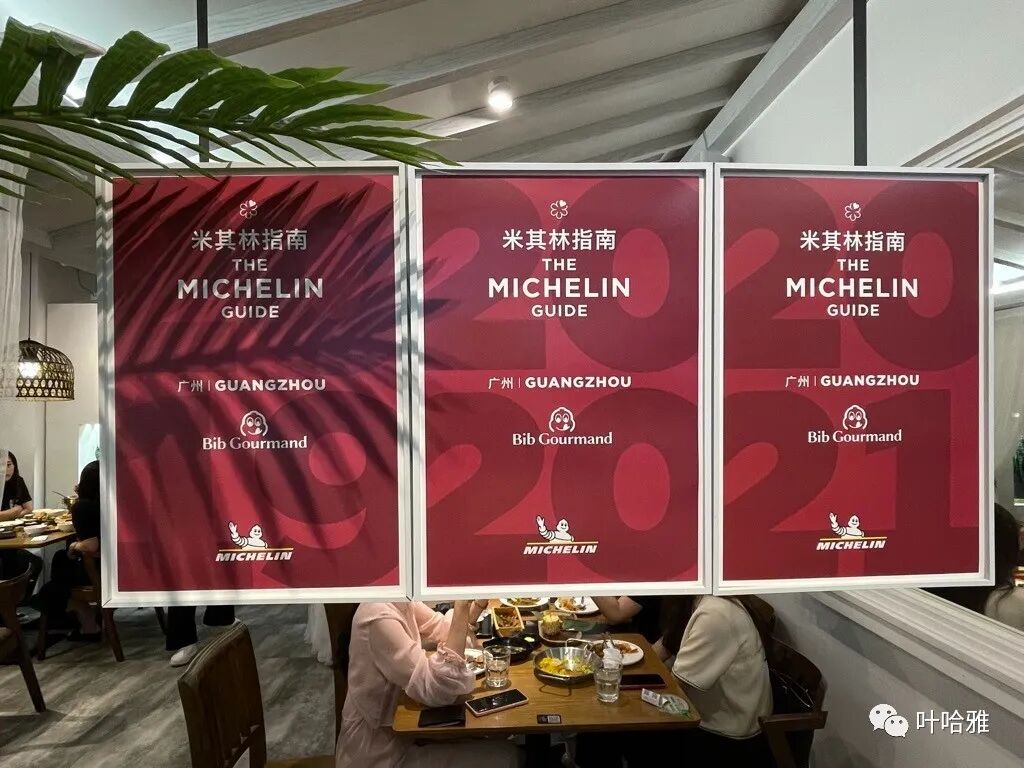
First, it is recommended because it made the Michelin Bib Gourmand list. This is Michelin’s list for affordable restaurants, with an average cost per person under 100 yuan. Being on this list in a food city like Guangzhou really says something.
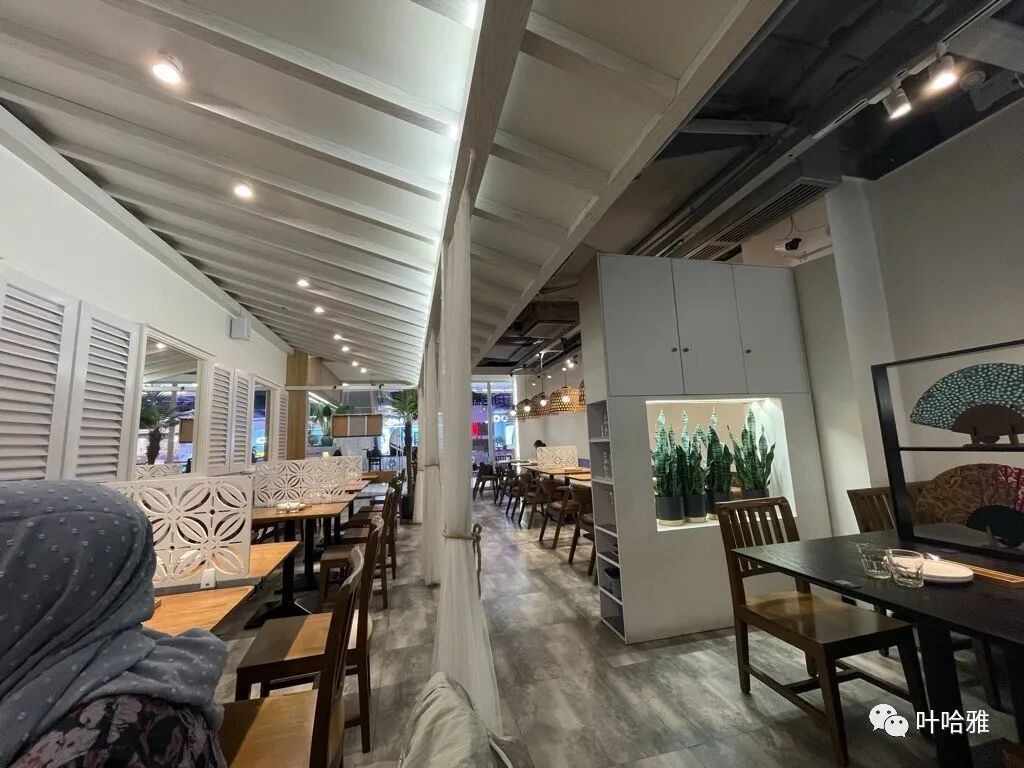
I think everything on their menu is a specialty. Basically every dish is delicious, including the drinks. I don’t know how the owner and chef manage to hit the mark so perfectly for every diner’s taste buds.
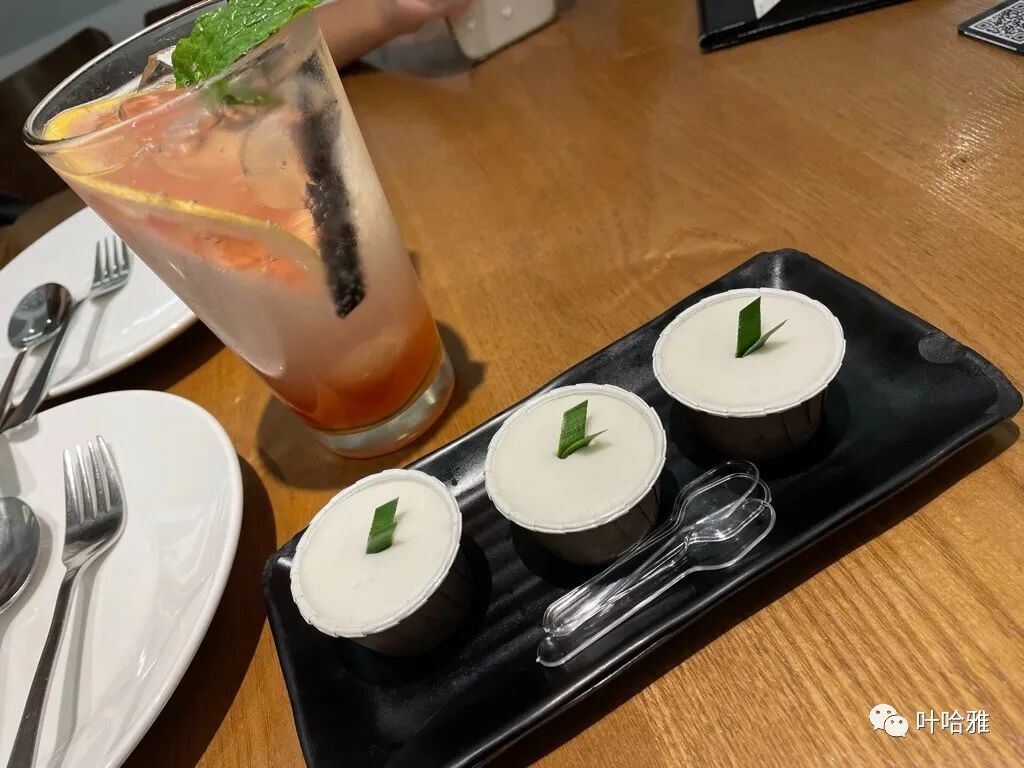
Fresh lime and lemongrass soda and pandan coconut custard cake (xianglan ruanxin yezhigao).
Many friends highly recommended this place before I even arrived in Guangzhou. My taste matches the general public’s, so I had high expectations, but it was only after tasting it myself that I realized it truly lives up to its reputation.
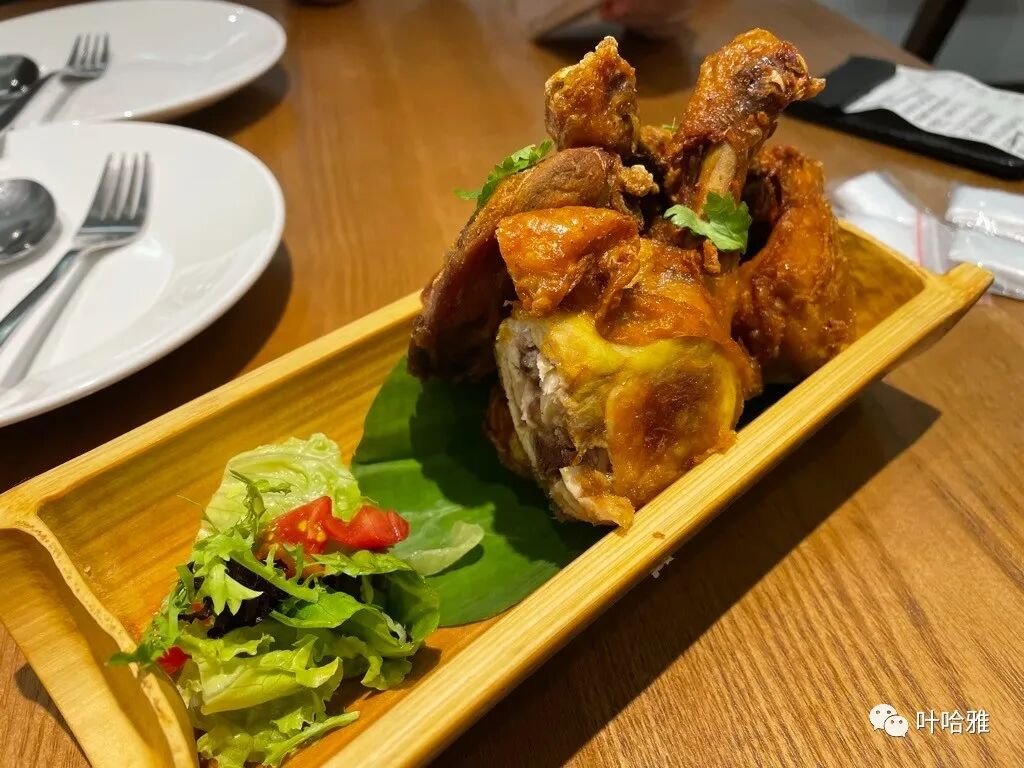
Bali crispy duck (balidao zangzangya).
Although the menu is large, the portions are small, which is perfect for someone like me who wants to try new things without wasting food. The restaurant doesn’t sell alcohol, so I feel comfortable eating here. The staff mentioned the owner is an Indonesian Chinese.
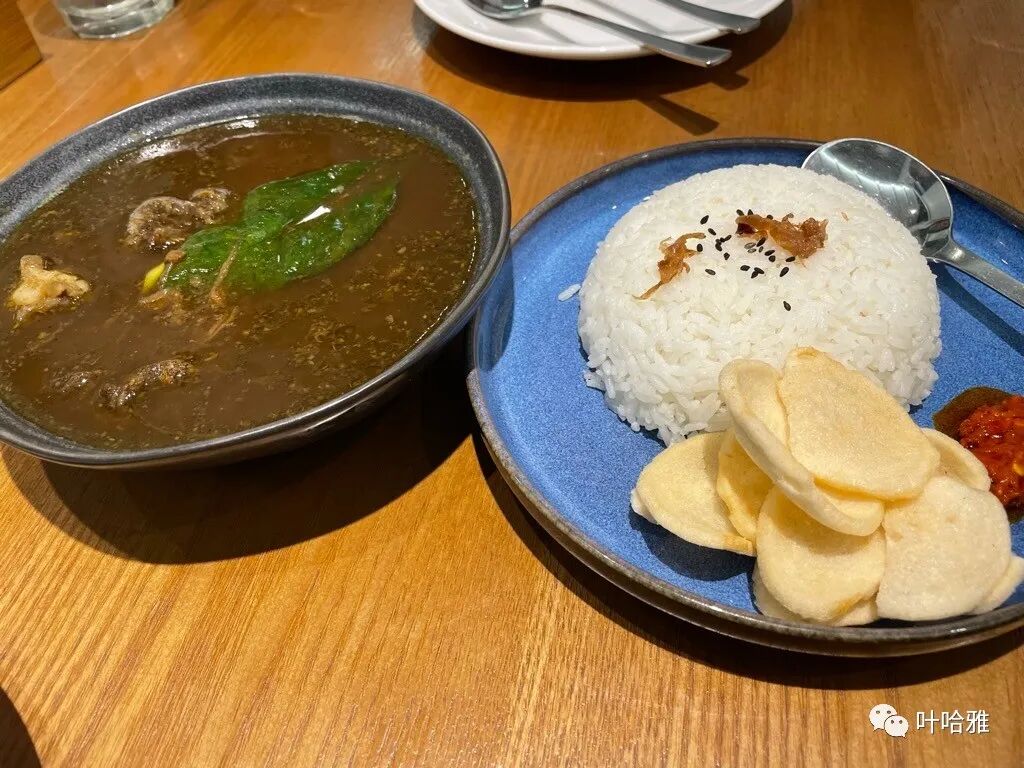
Black nut beef soup with rice (heirouguo niurou tangfan).
Because I have traveled in Indonesia, I know traditional Indonesian food doesn’t usually focus on presentation. This restaurant clearly adapted to the local Guangzhou market, paying close attention to color combinations in every dish, which makes them look great in photos.
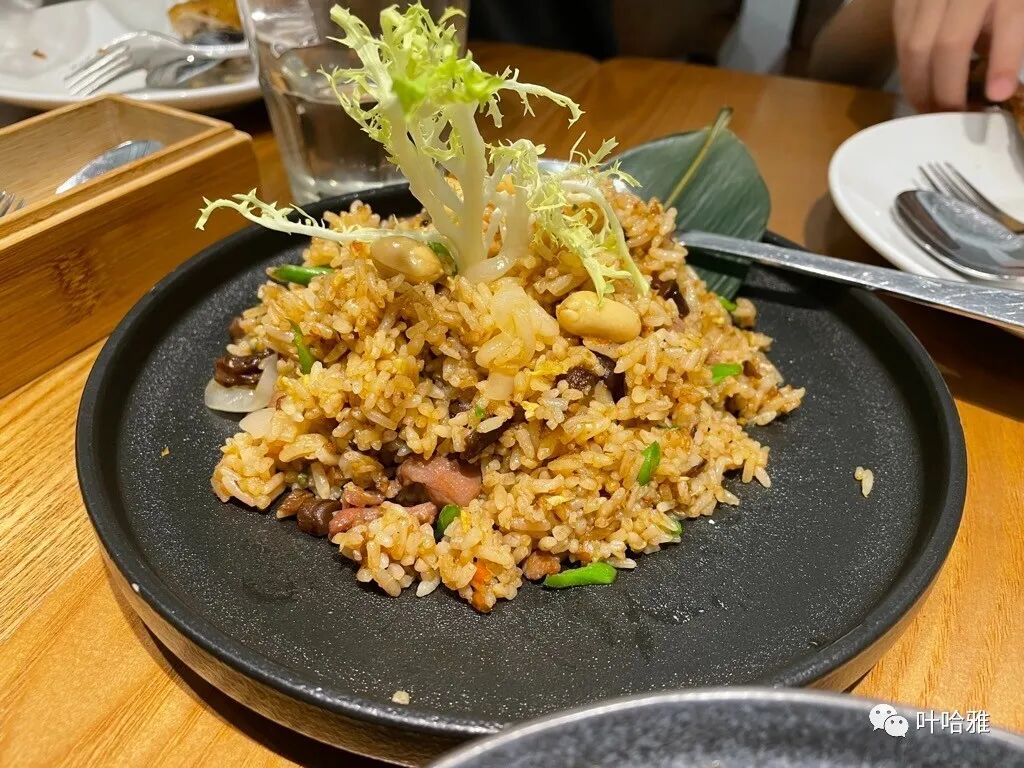
Rambutan beef fried rice (hongmaodan niurou chaofan).
Xianglan Indonesian restaurant has two locations in Guangzhou. Both have the same taste, and you have to wait in line during meal times.
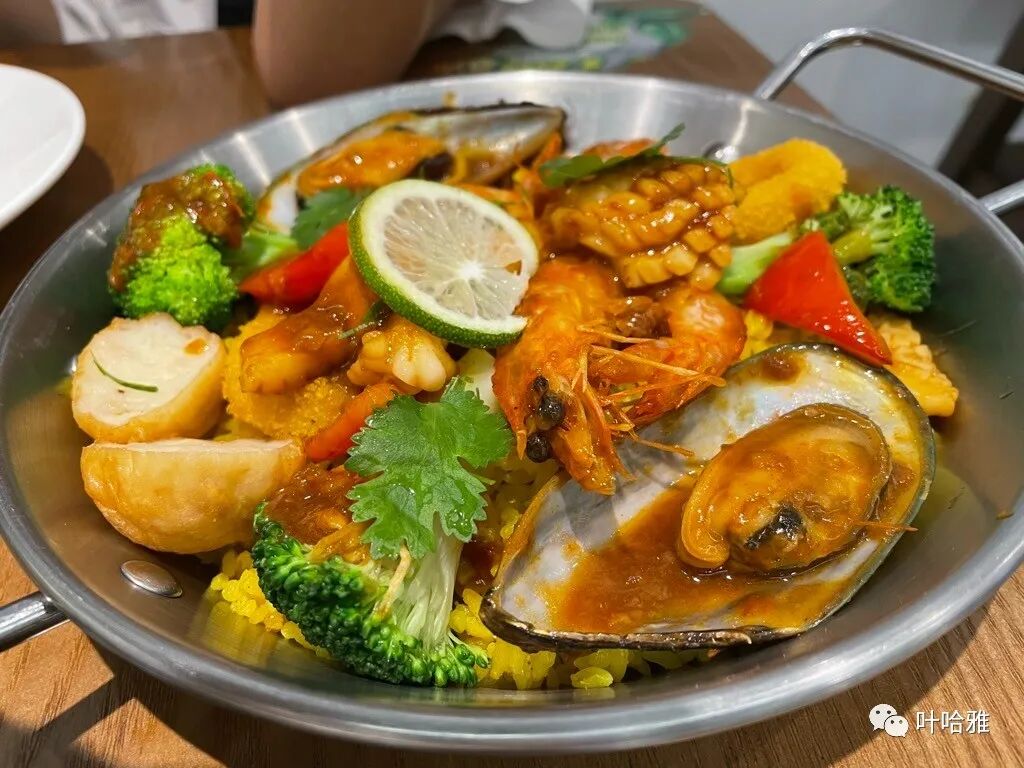
Seafood stew with turmeric rice (haixian hui huangjiangfan).
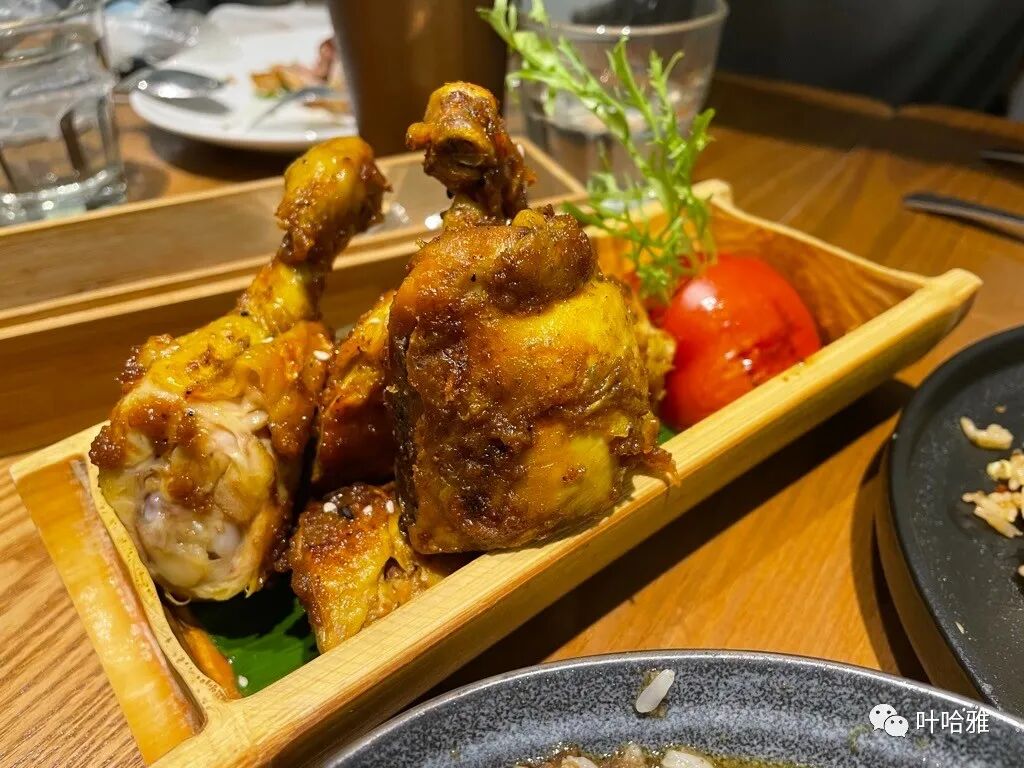
Roasted chicken with candlenut and garlic sauce
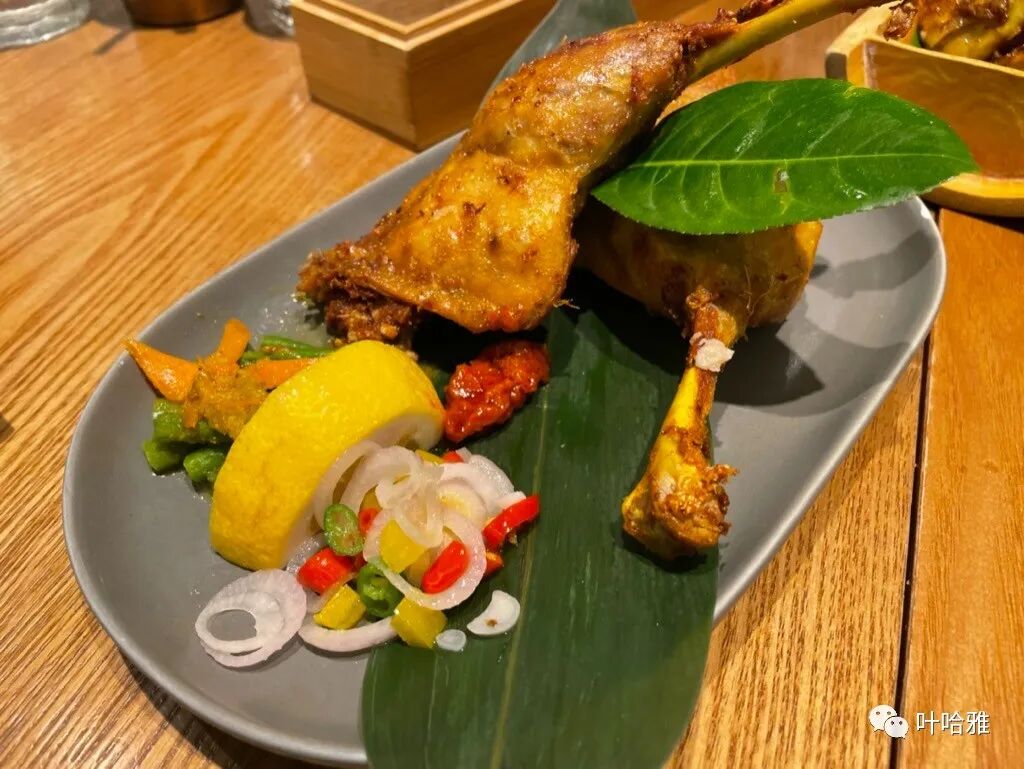
Deep-fried free-range chicken with lemongrass and turmeric
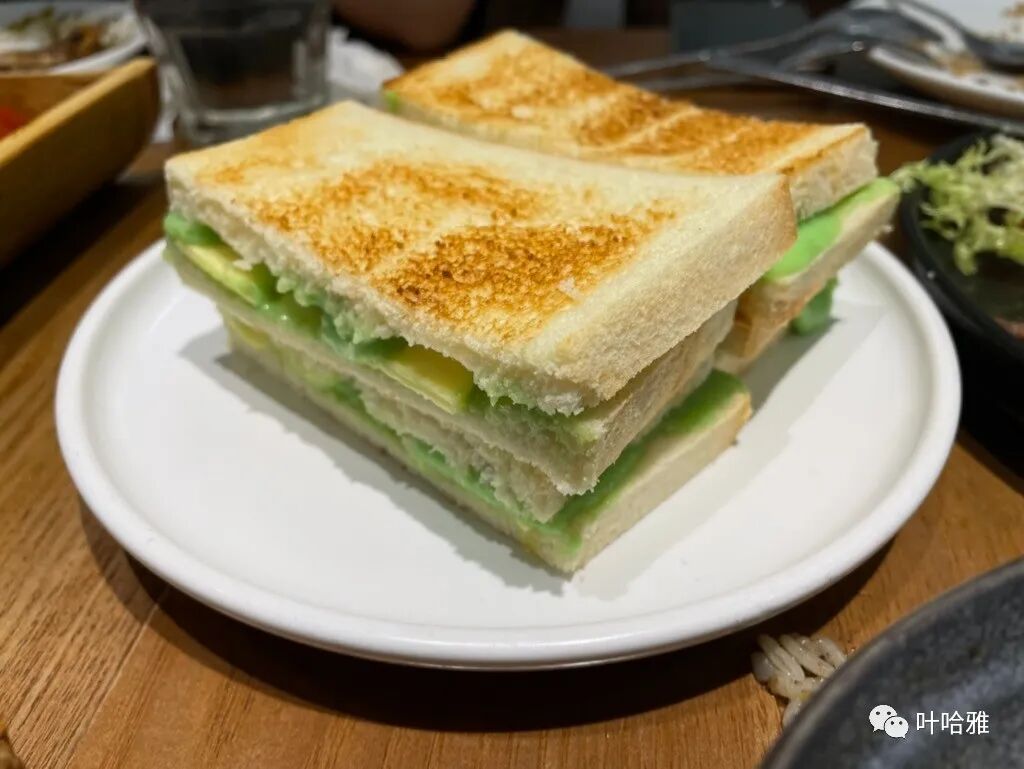
Toast with kaya jam and avocado
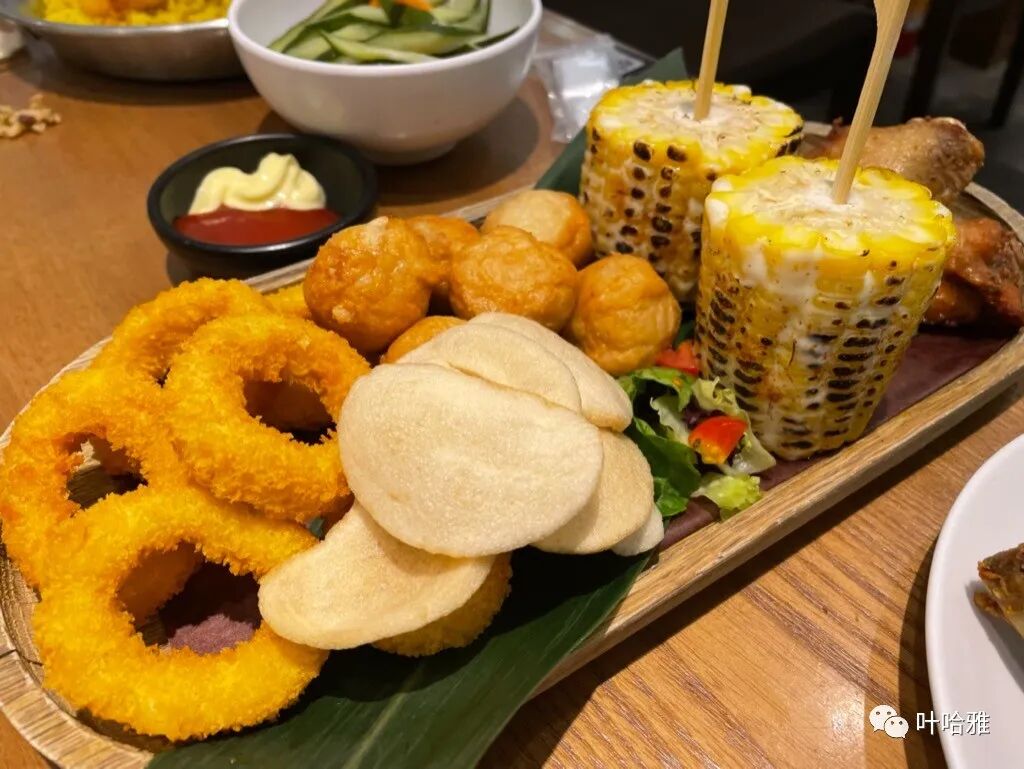
Snack platter
7
Sabah Restaurant
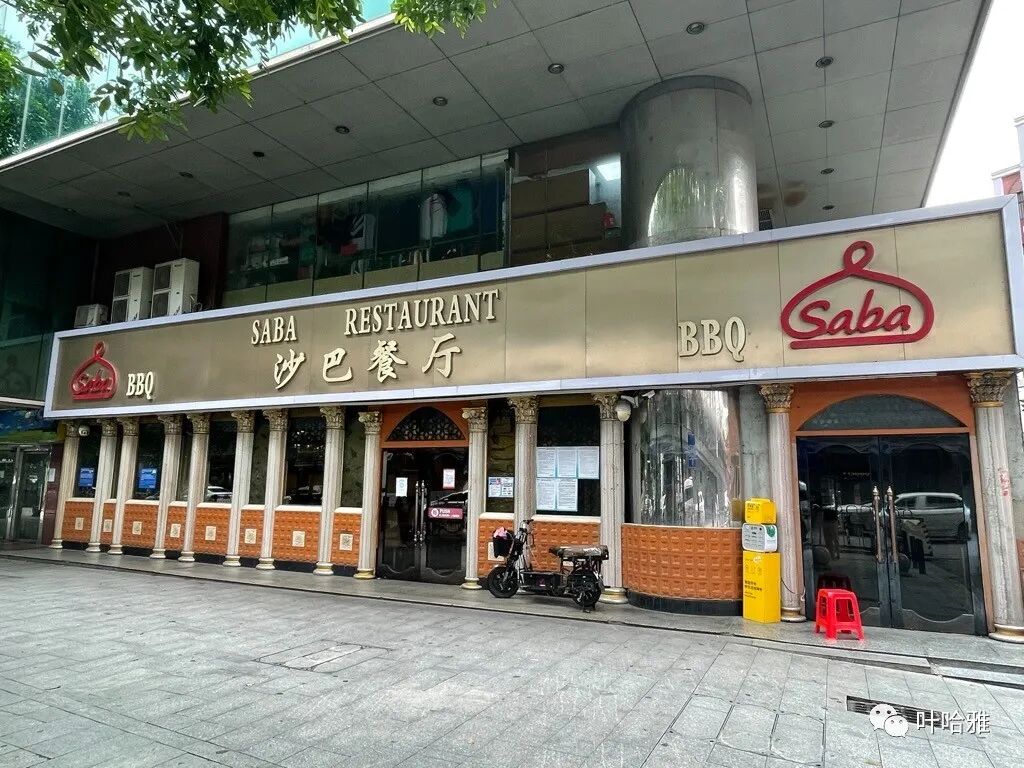
The name suggests a Southeast Asian style, but they also serve Middle Eastern dishes. My friend and I chose this place because we once traveled to Sabah together and have many great memories. Meeting up in Guangzhou now, it feels just like old times.
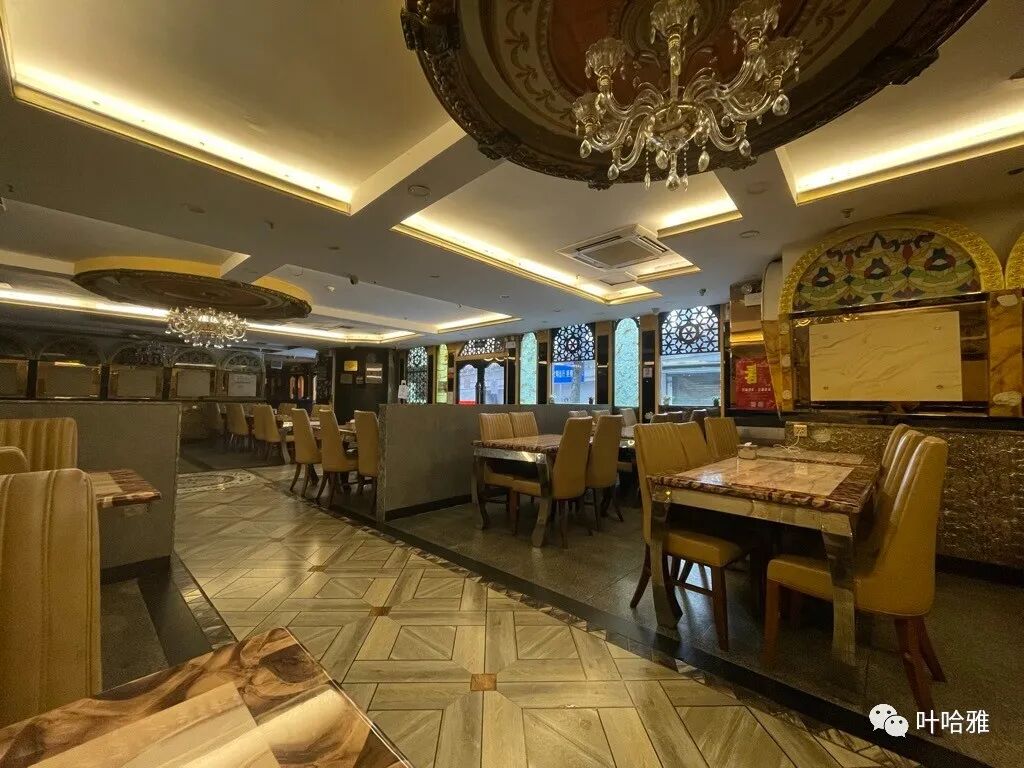
Inside, the restaurant was playing Quran recitations, and there is no alcohol served. I was surprised to see that most of the diners were Black. Since my first visit to Guangzhou in 2015, I noticed that over 80 percent of the brothers (dost) at Friday prayers (Jumu’ah) were Black. Today, the number of Black people in Guangzhou has dropped significantly, and it is rare to see them even on Jumu’ah.
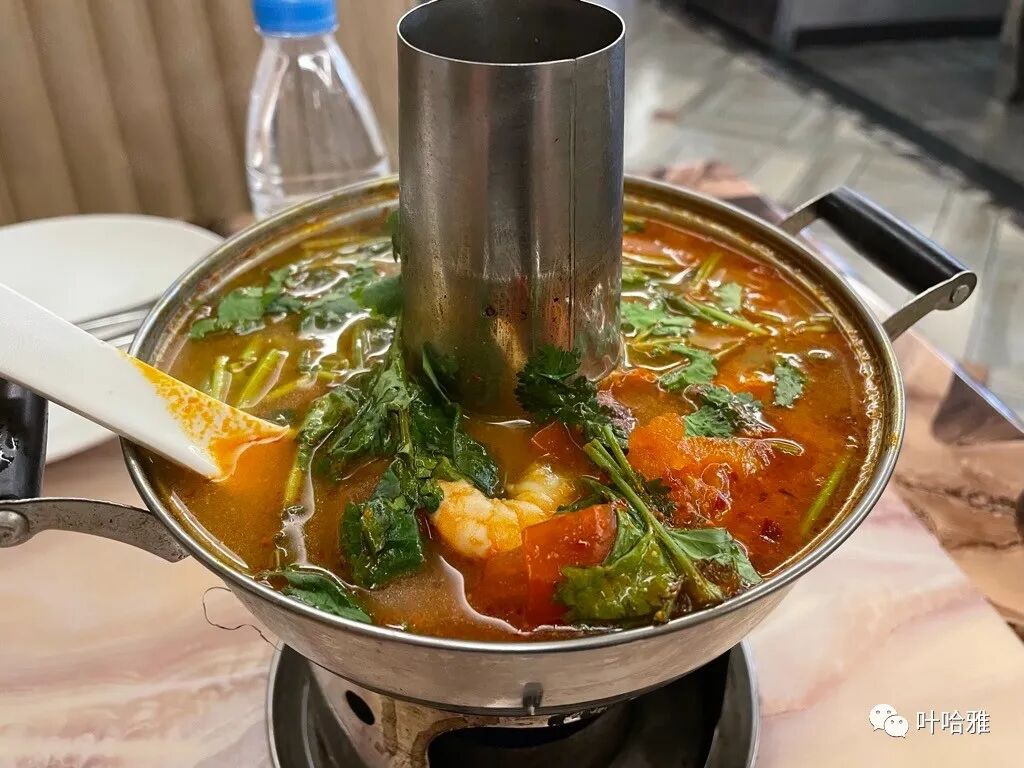
Tom yum soup
The menu starts with Thai food, followed by Chinese and Western dishes. I chose the tom yum soup, and they actually served it in a small hot pot.
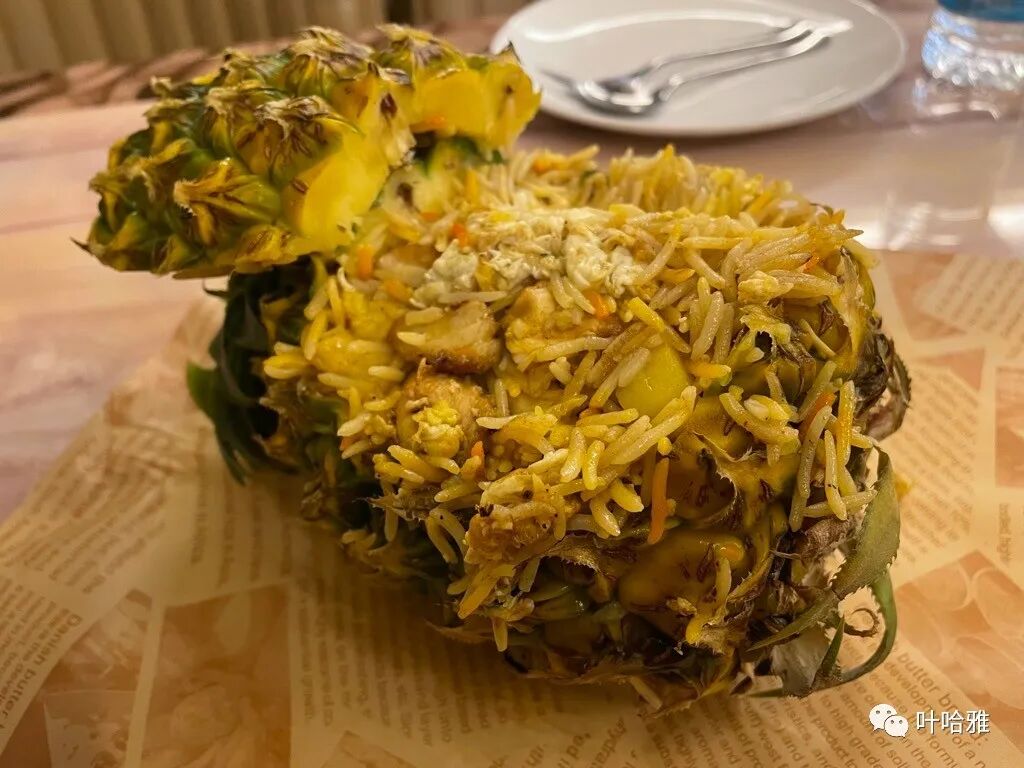
Pineapple fried rice
I loved eating pineapple fried rice when I traveled in Malaysia. The taste here was just average. Maybe the setting was wrong, so it didn’t feel right. Sometimes, enjoying good food requires the right state of mind.
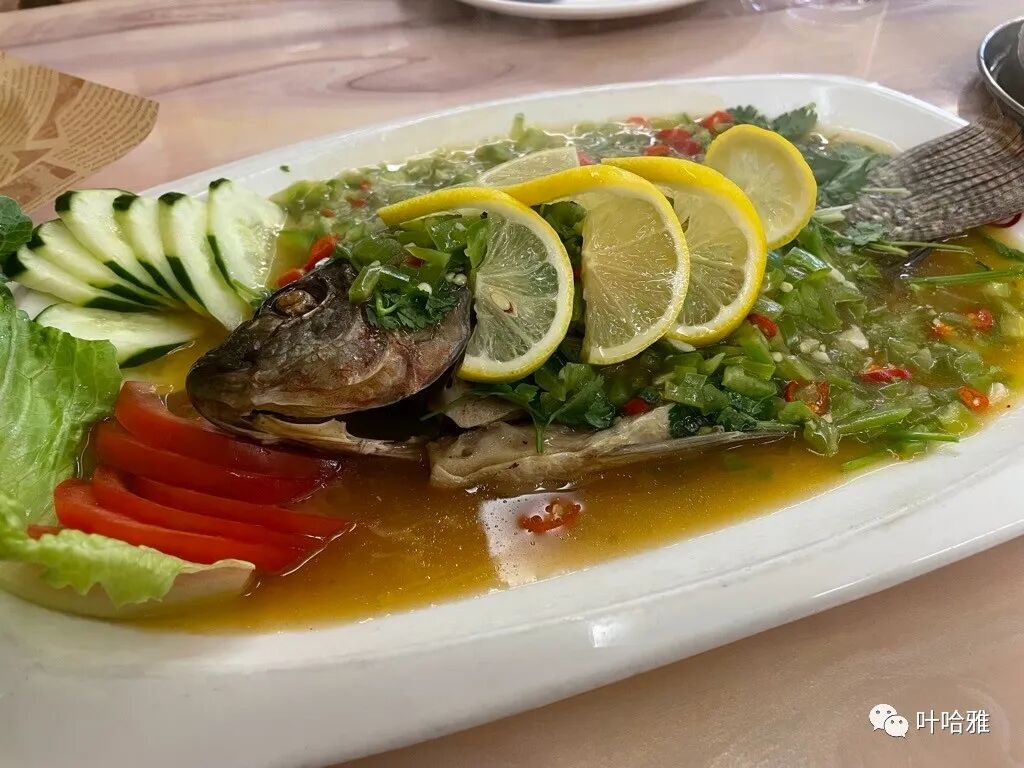
Lemon tilapia
I chose dishes we ate while traveling in Thailand and Malaysia. I haven’t been abroad for nearly three years, so I’m reminiscing about the days when I wandered the world.
8
AL MANARA Lebanese Restaurant
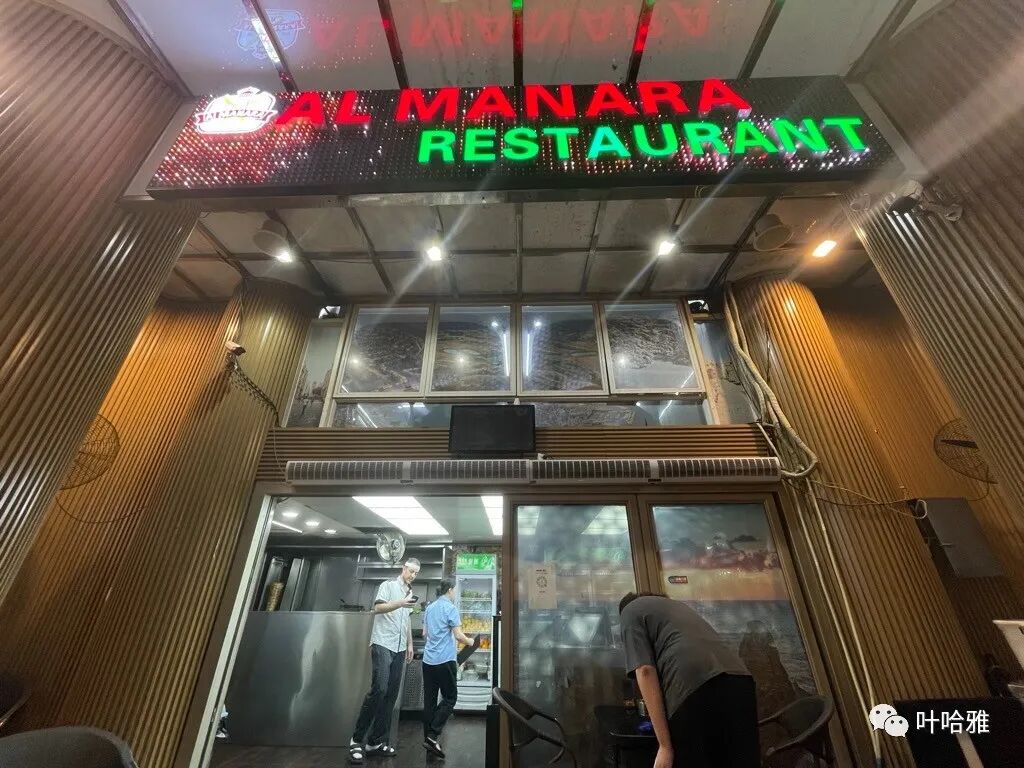
There used to be two Lebanese restaurants in Guangzhou. I went to the other one only to find it had closed. This shop is a roadside storefront with no main dining hall, just a few tables set up at the entrance. It is very simple.
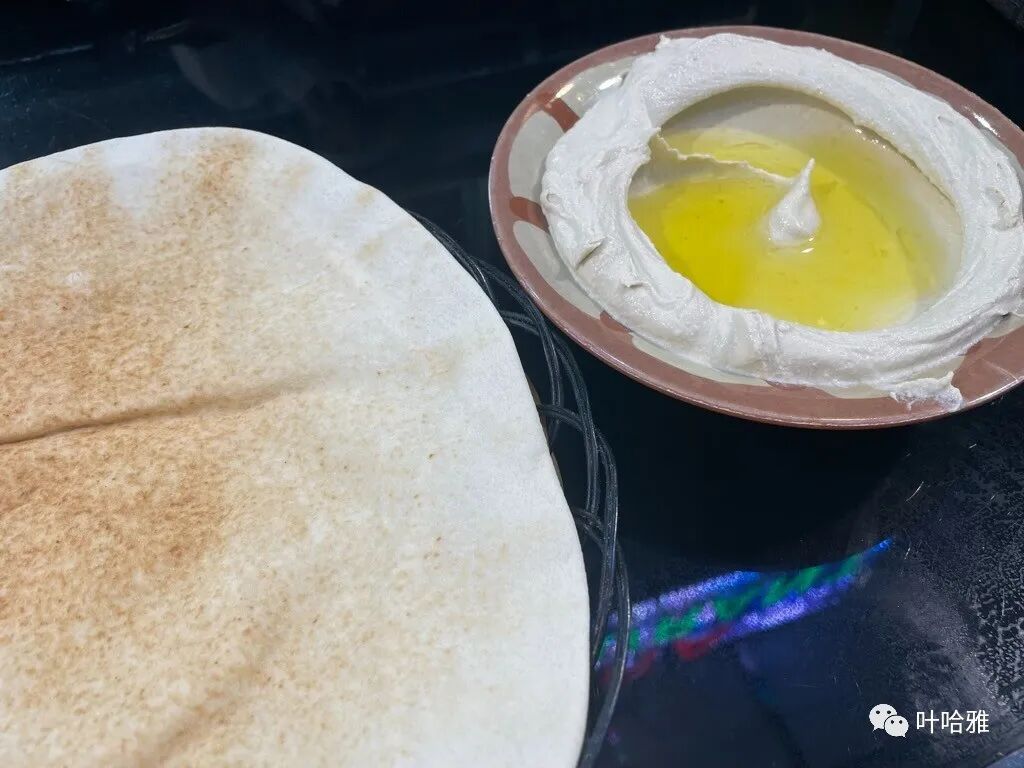
Hummus with Arabic flatbread (khubz)
A lady from Northeast China works here and speaks fluent Arabic. The person grilling the meat is a Lebanese Arab.
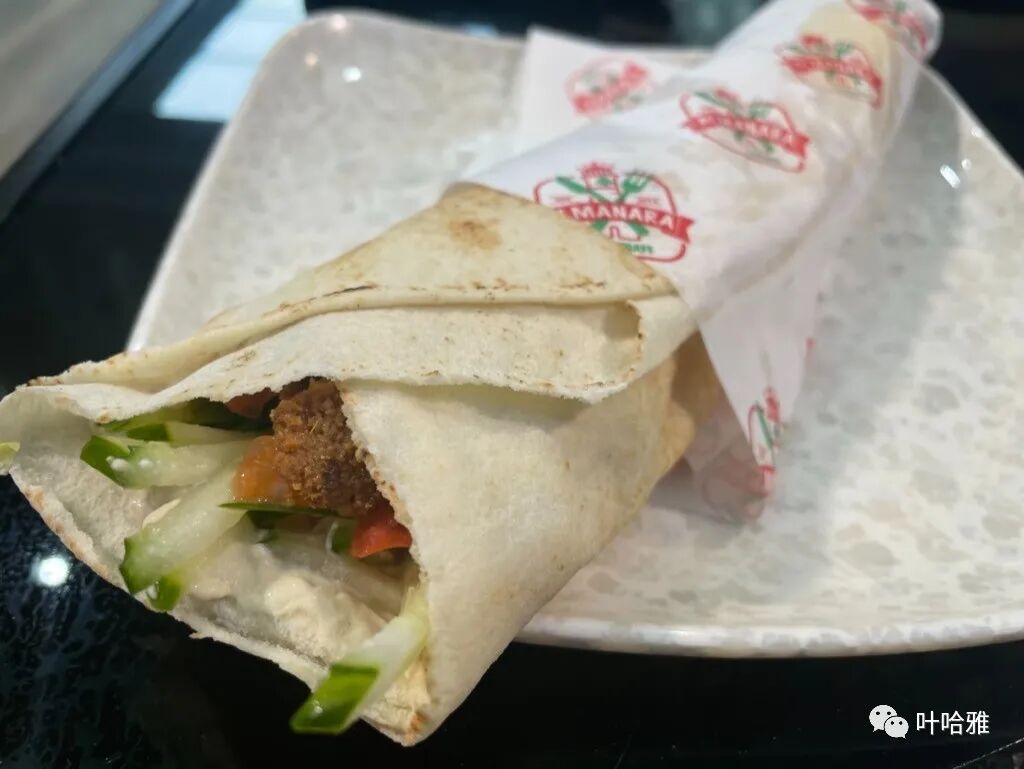
Falafel chicken wrap
Although this Lebanese restaurant doesn’t have as nice an environment as Alameen in Beijing, the taste is quite authentic and the prices are affordable. Overall, it is not as good as the Lebanese restaurants in Beijing, which makes me feel a bit better.
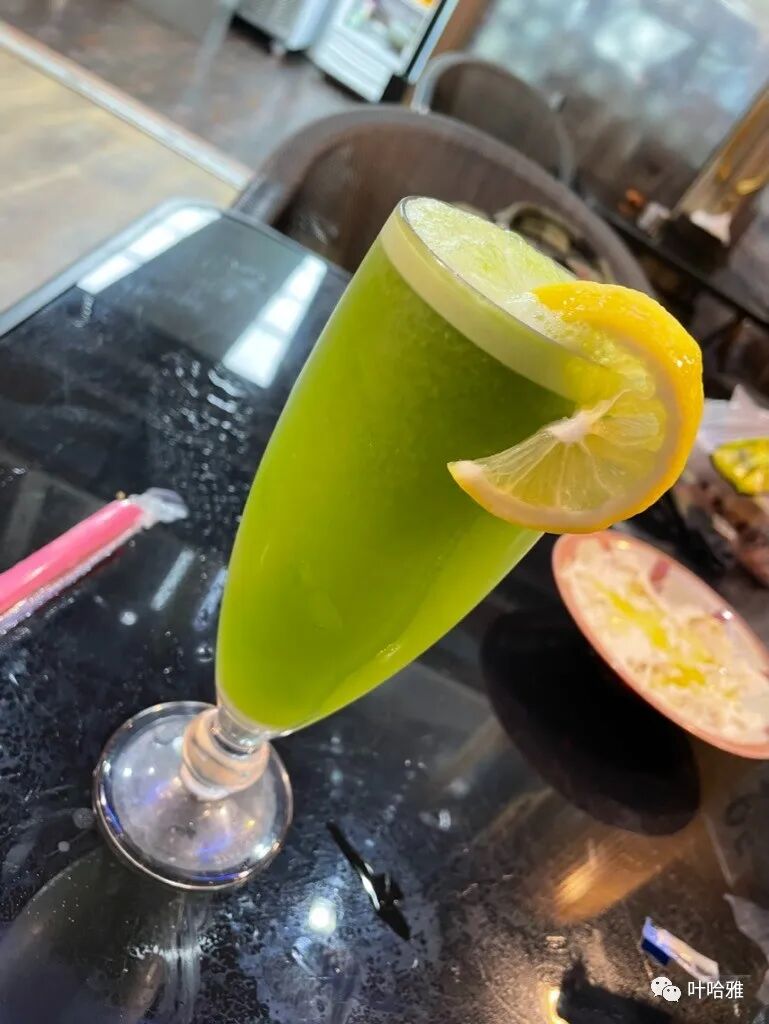
Lemon mint drink
9
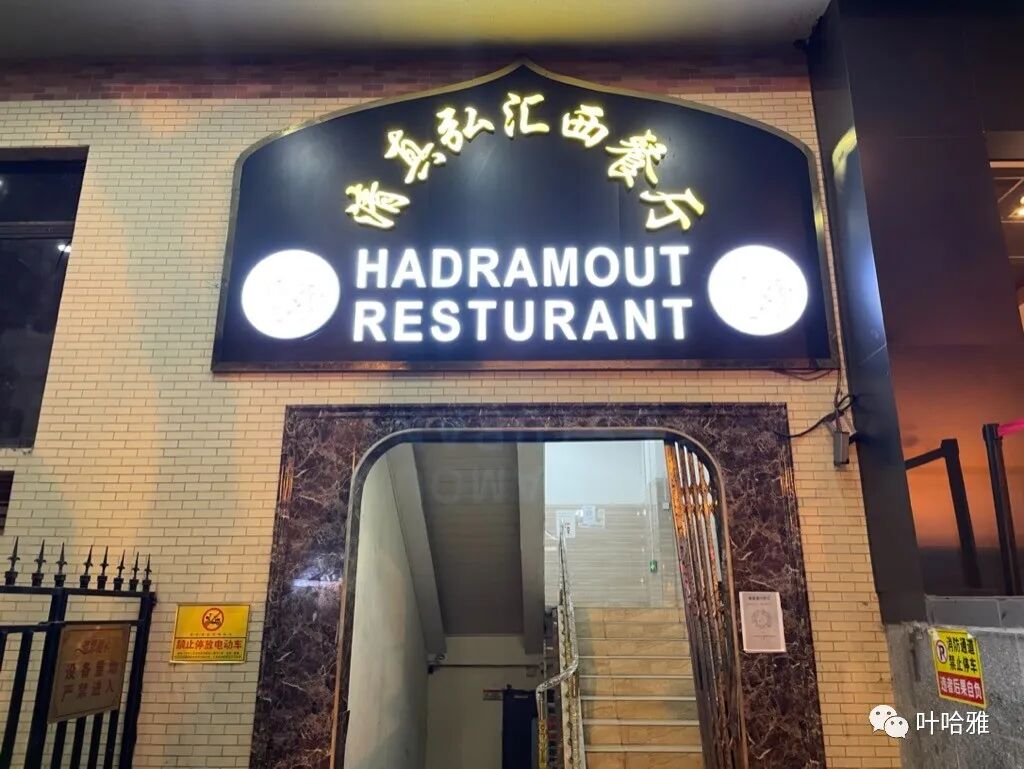
AMADA Turkish Middle Eastern Cuisine
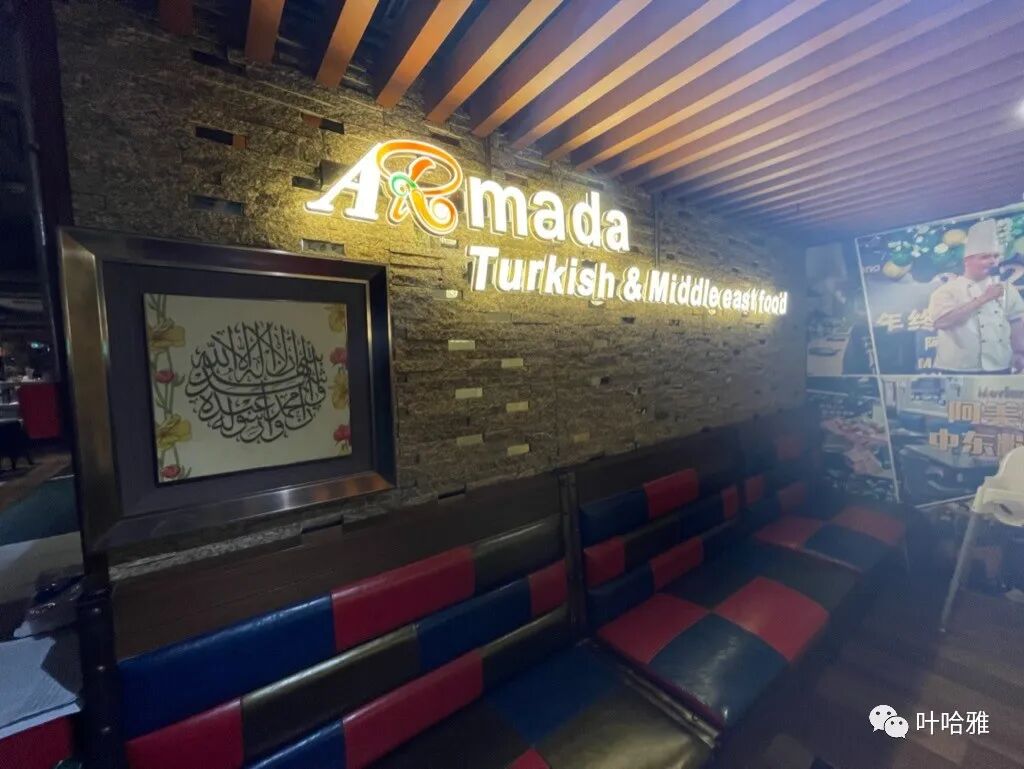
Most halal Western restaurants in Guangzhou are run by Turkish people. This place, Amanda, is one of them. It is near Xiaobei, a neighborhood where many Muslims live. One alley there is full of small Muslim shops, mostly run by people from Northwest China.
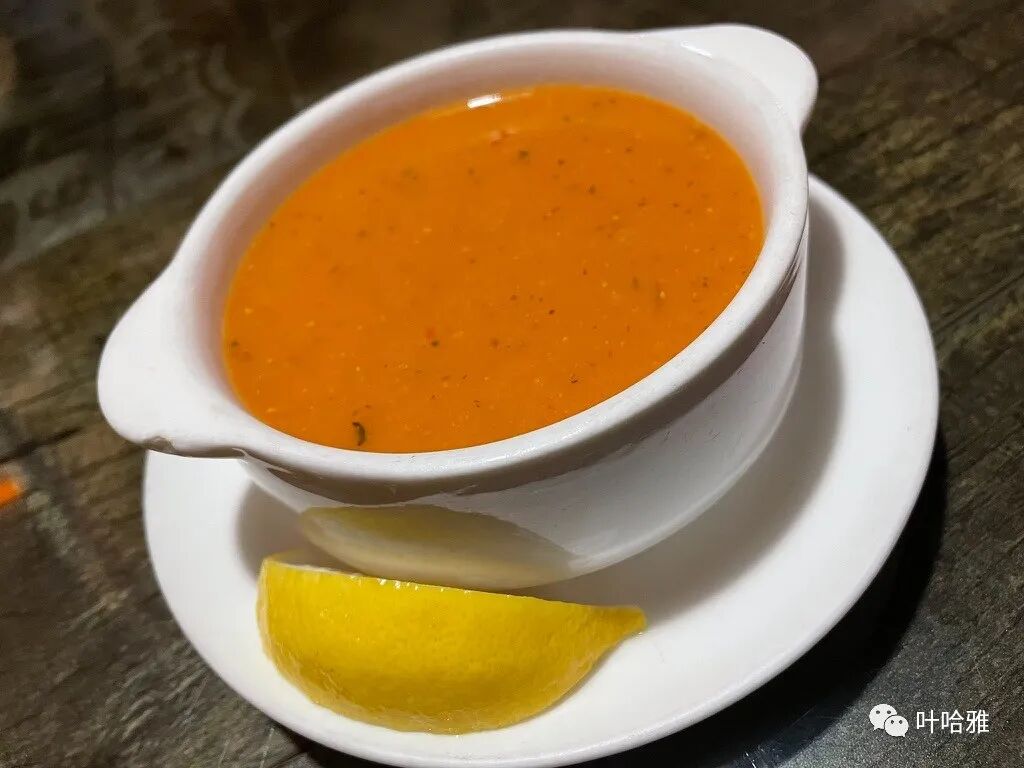
Assorted flavor soup (baiwei tang)
My friends in Guangzhou had never been to this restaurant, so I brought them here to check it out. Once inside, I noticed the waitresses wore headscarves. It is an alcohol-free restaurant, just like most foreign halal restaurants in Guangzhou.
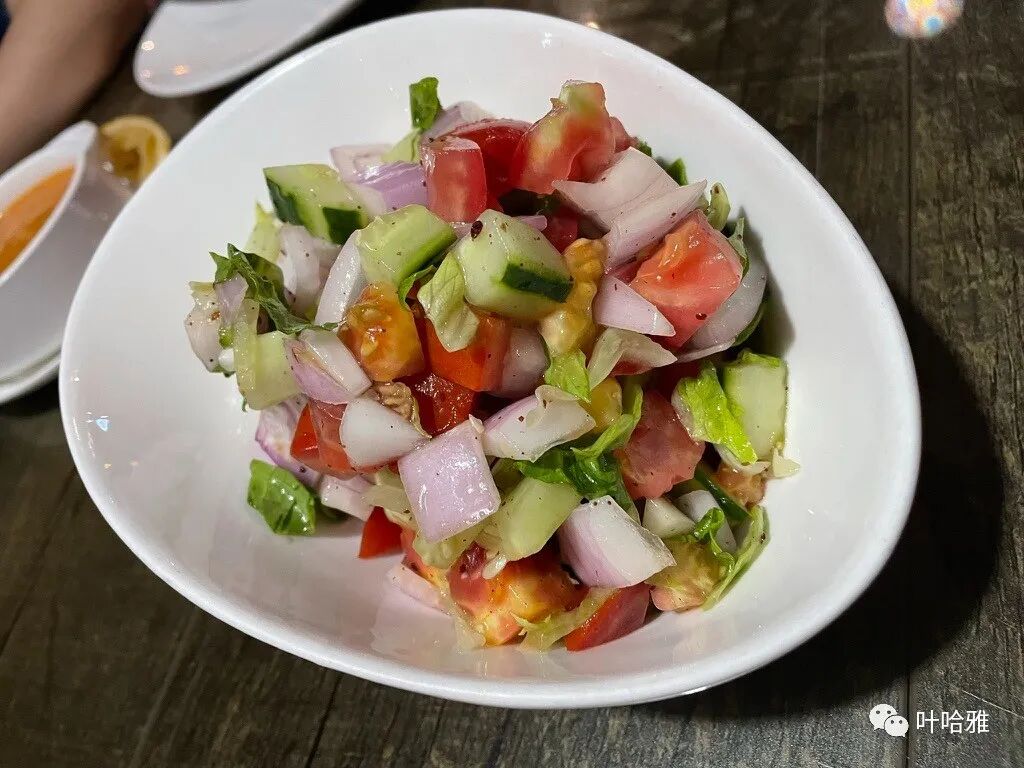
Shepherd’s salad
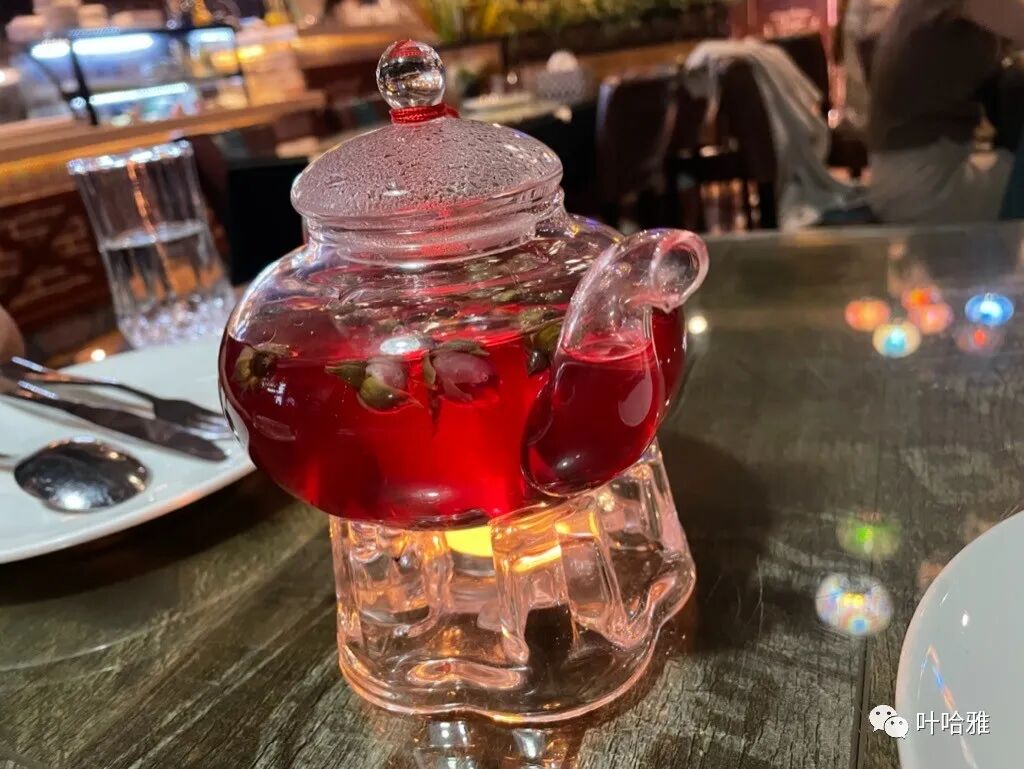
Rose black tea
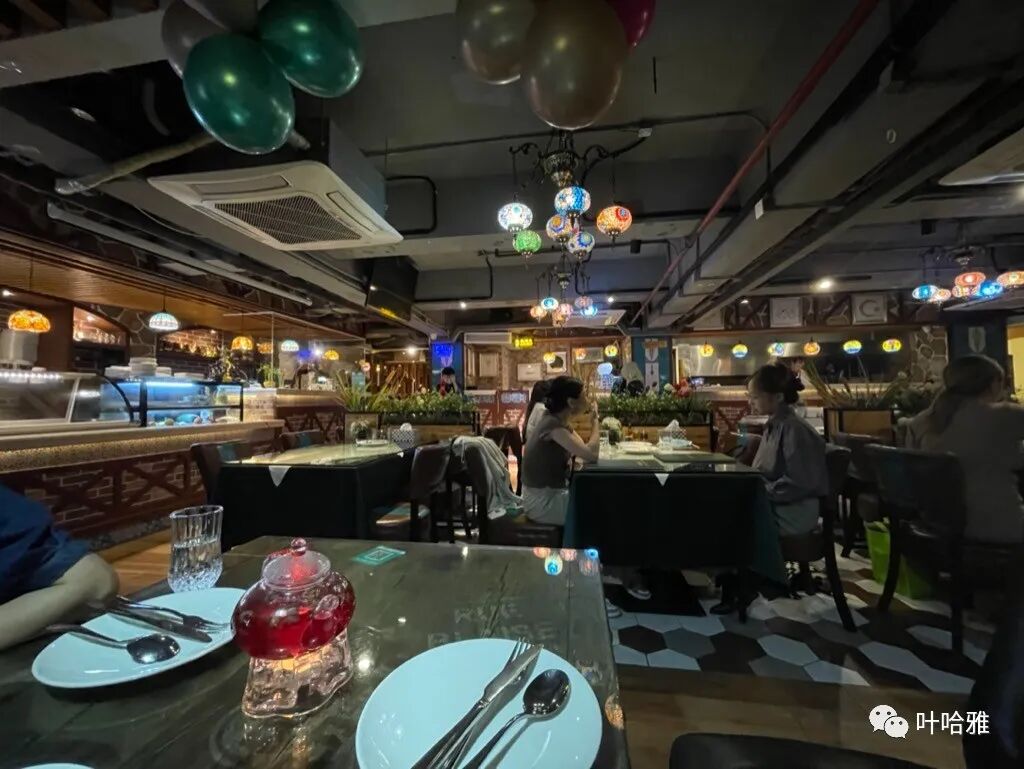
The ladies loved the rose black tea. I saw a Moroccan specialty, tagine (tajiguo), on the menu and ordered it. Guangzhou used to have a Moroccan restaurant, but it closed during the pandemic.
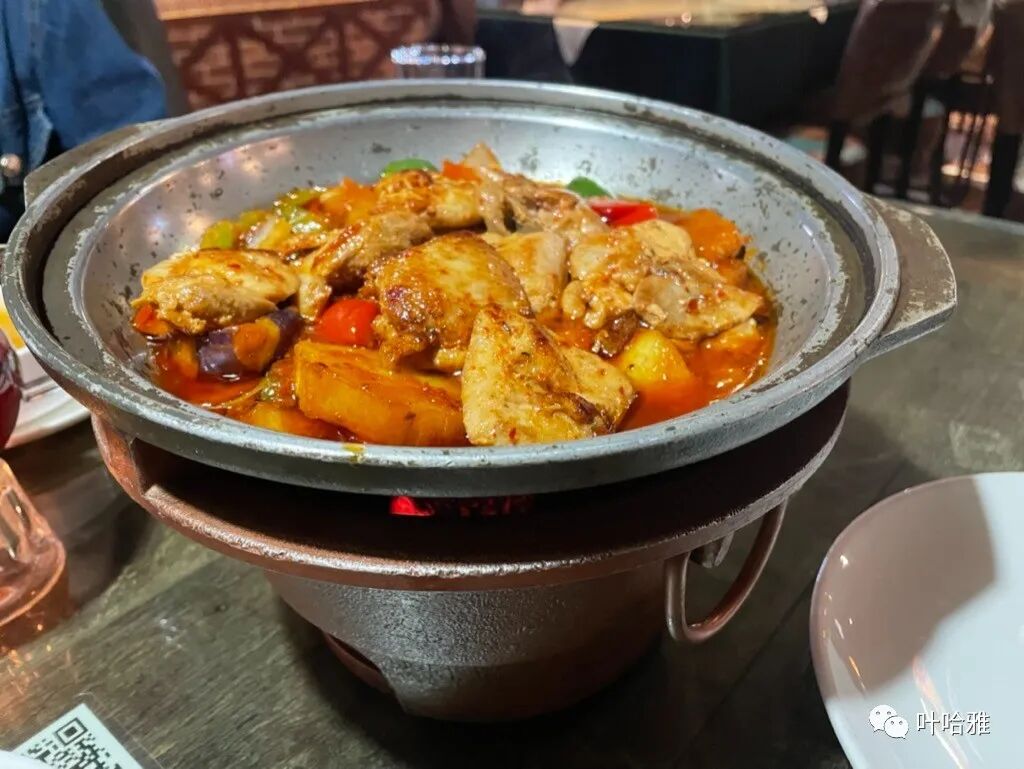
Chicken and eggplant tagine (jirou qiezi tajiguo)
The grilled meat and meals here are delicious, better than the main courses at MADO. MADO is nearby, so after we finished eating, we strolled over there for ice cream.
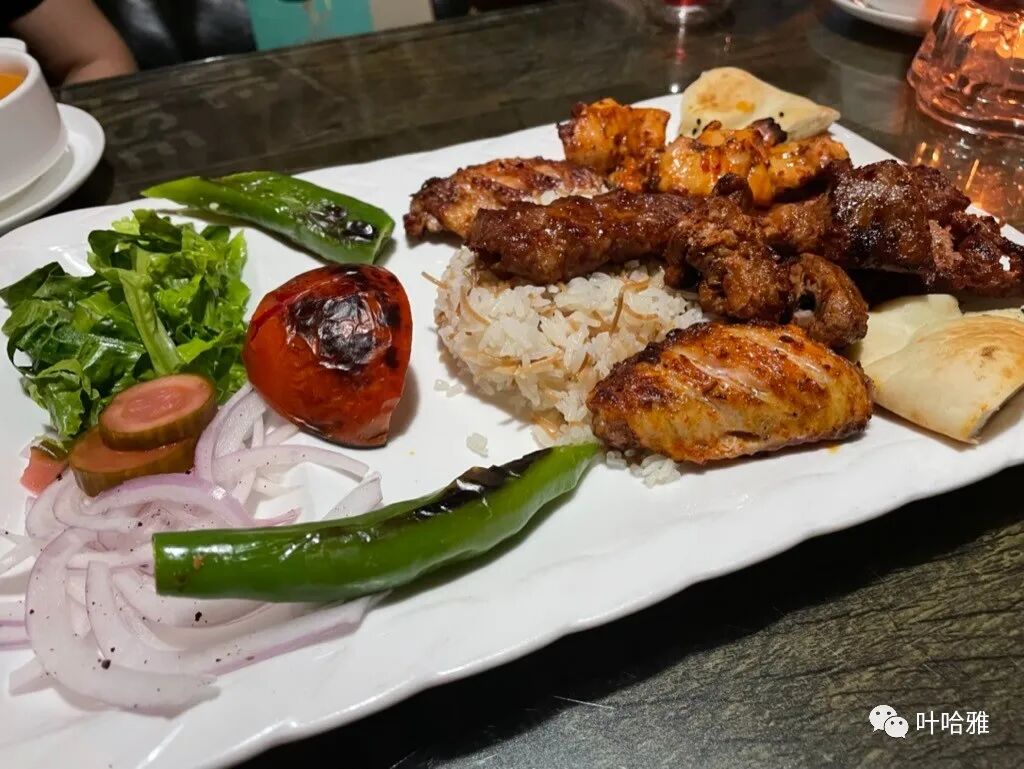
Mixed grilled meat platter
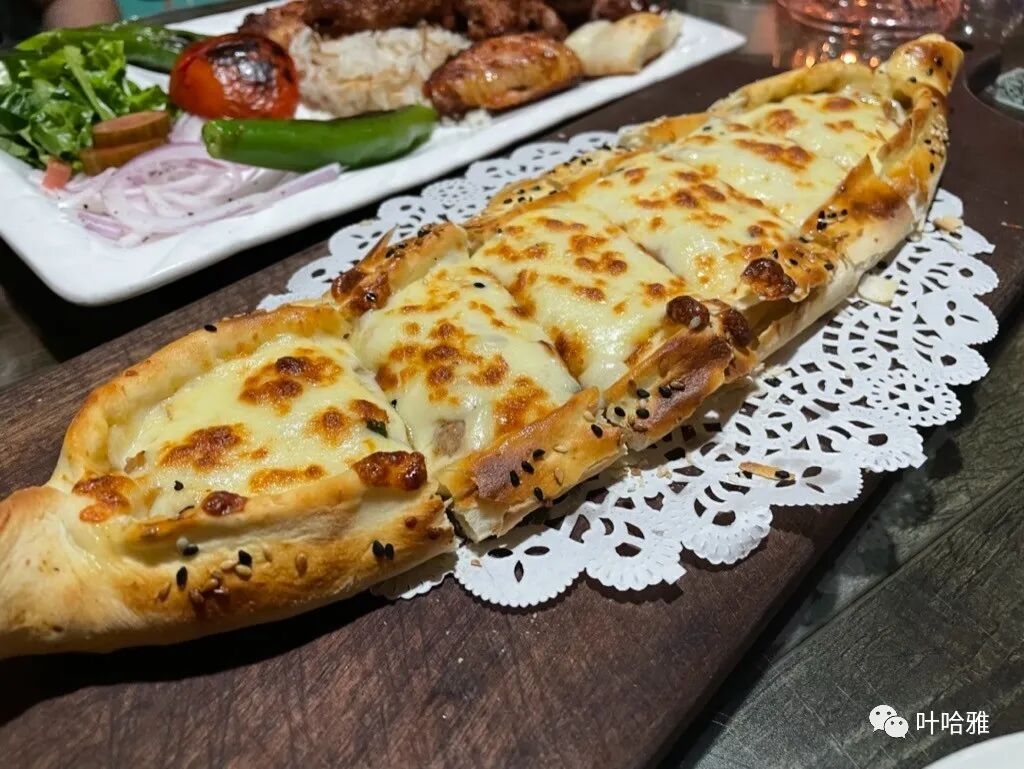
Cheese and tenderloin pizza
After dessert, we walked around Xiaobei. The street is lined with small halal shops, making it feel just like Dongguan in Xining.
As a shantytown area in Guangzhou, this street in Xiaobei is reportedly slated for demolition and renovation. It will be hard to find such a lively, authentic neighborhood in a first-tier city in the future; Beijing no longer has any.
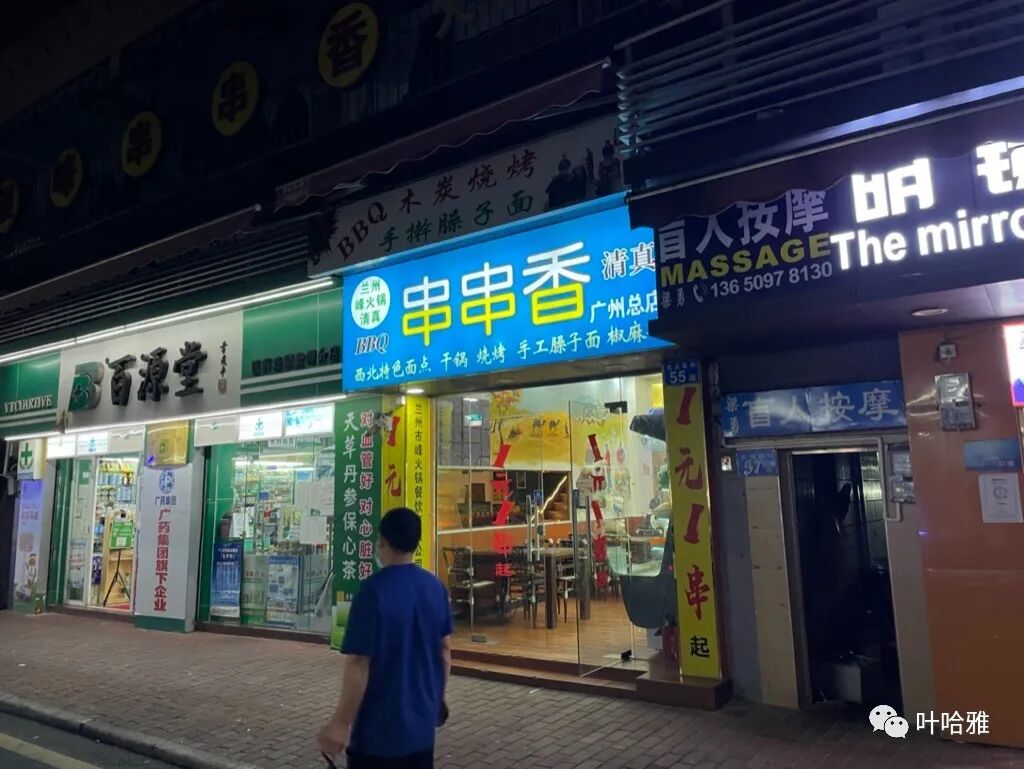
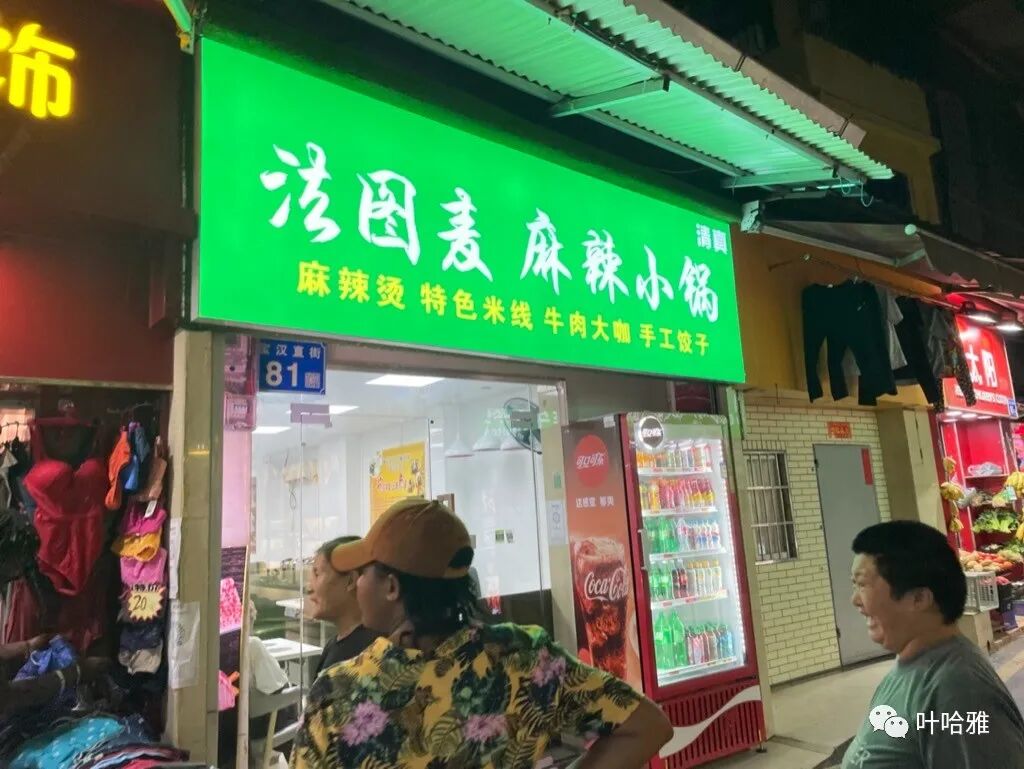
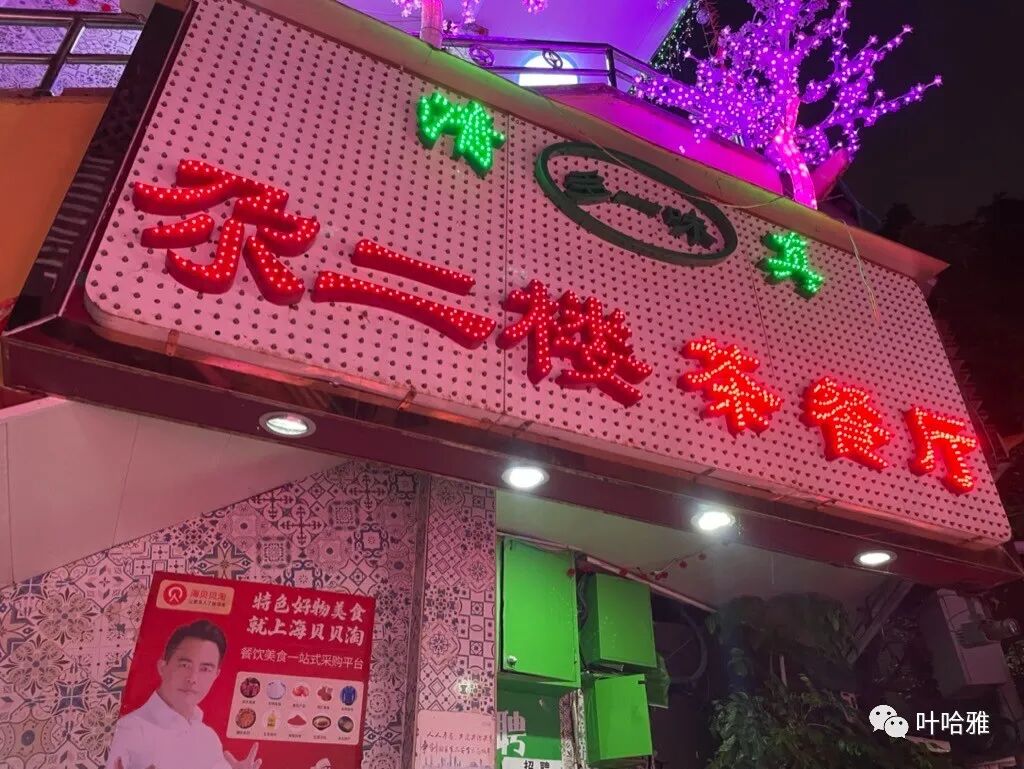
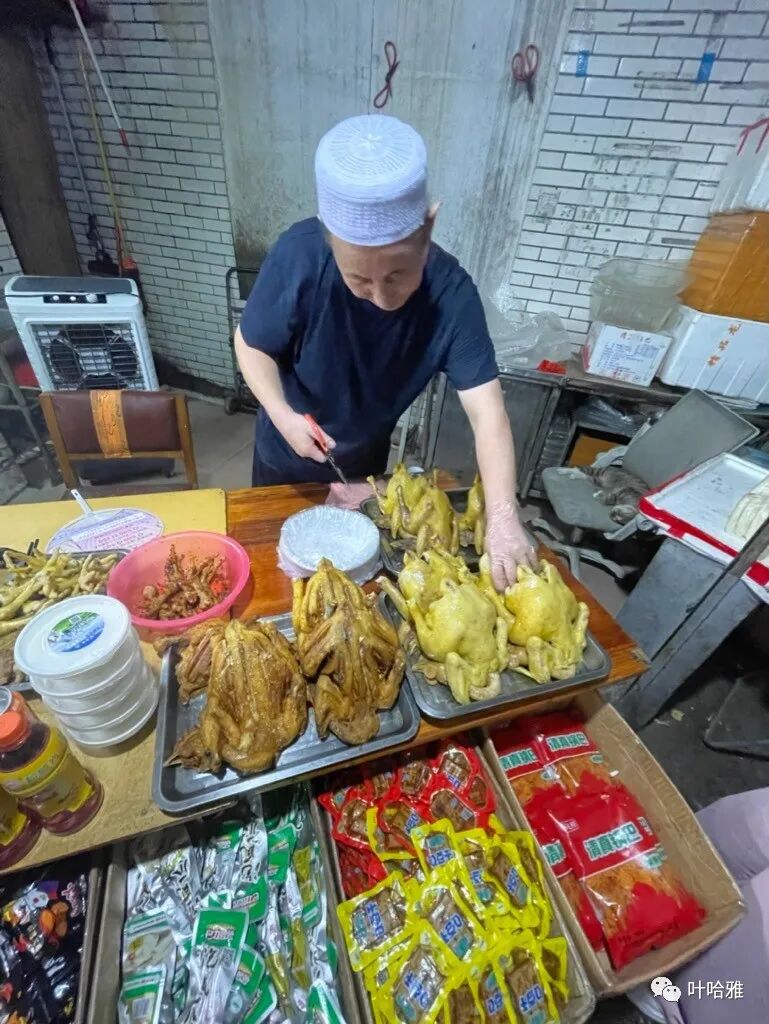
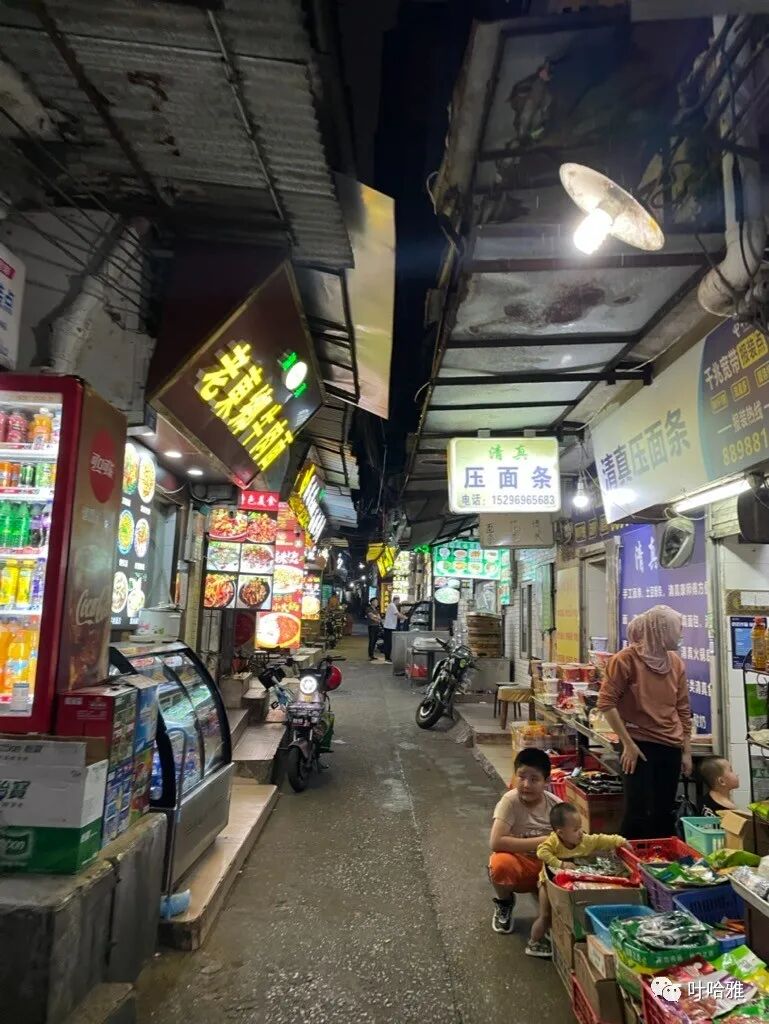
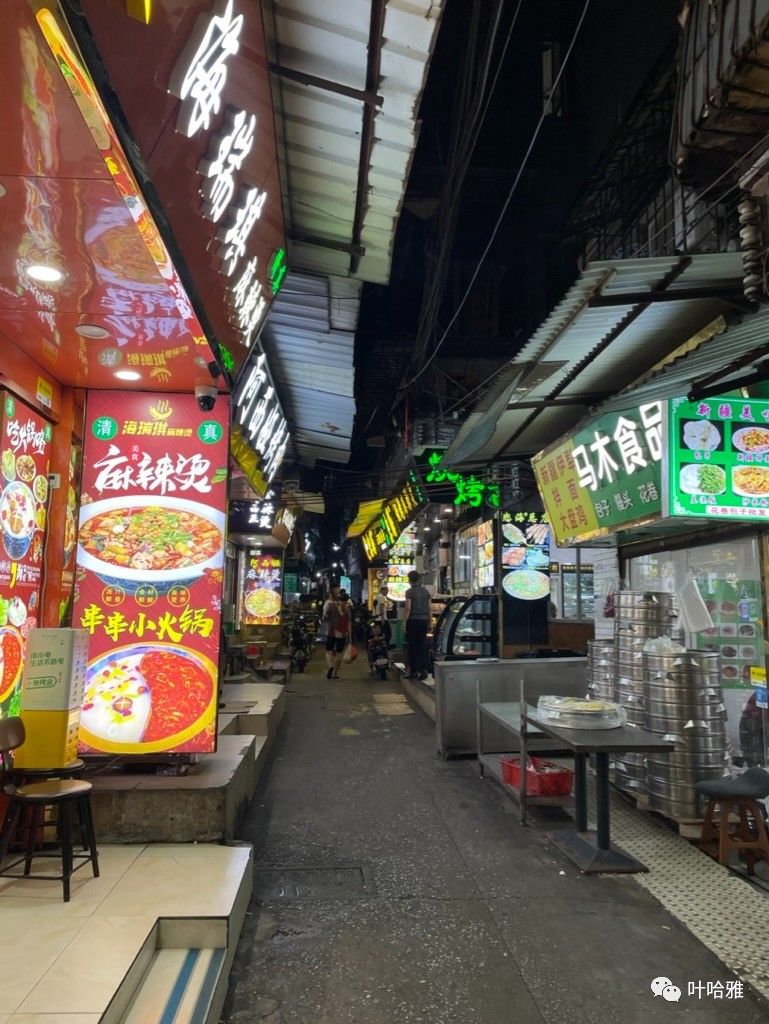
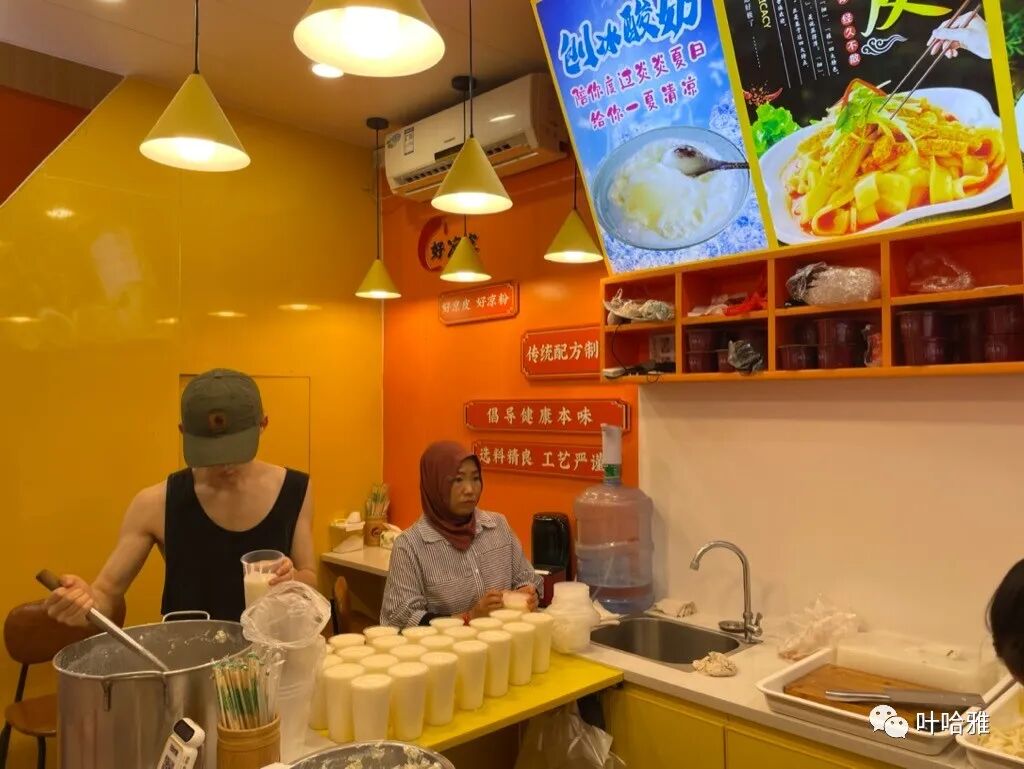
My friend led me to a shop that sells shaved ice yogurt (baobing suannai). We bought two cups. The taste was exactly the same as the one sold at the Grand Bazaar in Urumqi. The original flavor is very sour, but you can add sugar. I heard that people have to line up to buy it during peak hours.
Our halal team-building trip in Guangzhou has come to an end. My next stop is Zhaoqing, Guangdong. Zhaoqing has two mosques, one local halal restaurant, and a large ancient cemetery for Hui Muslims. I will share more details in my next article.
