Best Halal Food Beijing: Authentic Hui Muslim Restaurants, Malatang and Lebanese Food
Reposted from the web
Summary: This Beijing halal food map issue 43 visits Haiji Xiaohuo, Xinjiang mixed noodles, Lebanese food, Indian cuisine, barbecue, Northwest-style snacks, hand-made dumplings, and Xiaoma Halal Steamed Bun Shop, with practical notes on dishes, neighborhoods, and restaurant style.
The halal restaurants we visited this time are as follows:
-
Haiji Xiaohuo
-
Yilan Jianglaiwang
-
Sumac Lebanese Restaurant
-
Tandoori Indian Cuisine
-
Zanjin Xiaoyuan Barbecue
-
Nazilan Jiangwei
-
Wenzhutang
-
Xiaoma Halal Steamed Bun Shop
-
Haiji Xiaohuo
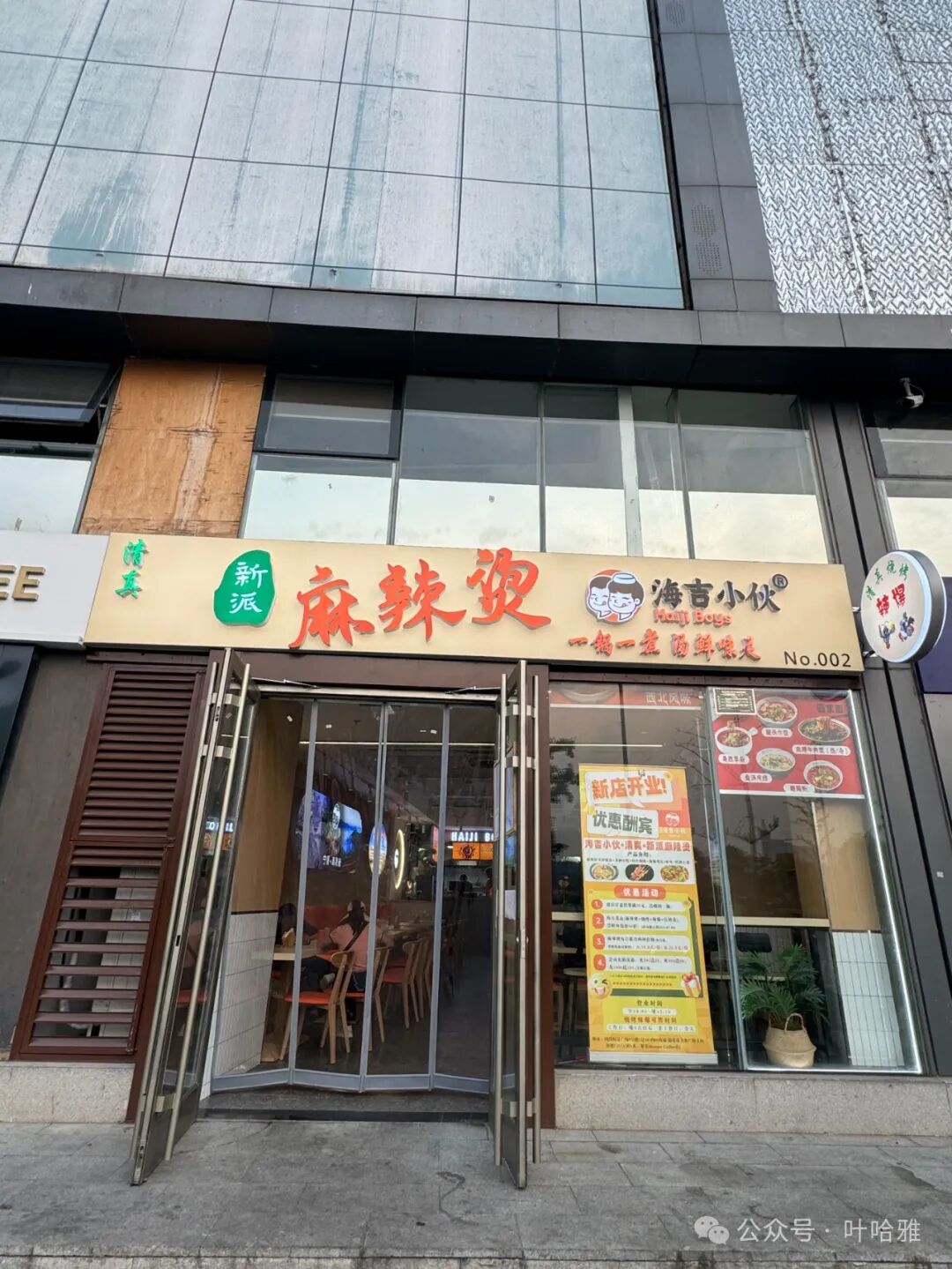
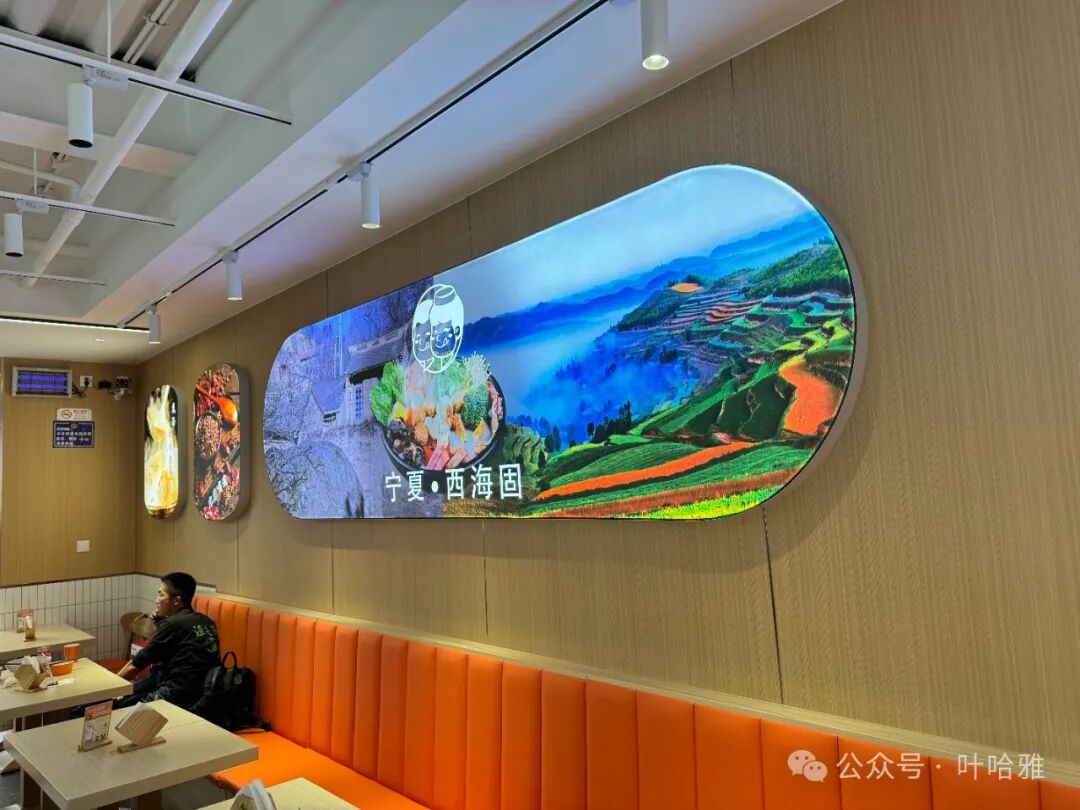
Haiji Xiaohuo is a spicy hot pot (malatang) shop opened by people from Xiji and Haiyuan in Ningxia, which is why it is called Haiji Xiaohuo. This location at the West Railway Station is a branch, and there is another shop in Changying. The young man from Haiji has done a great job with the decor, and the shop is very clean. The kitchen is open and visible, so you can eat with peace of mind.
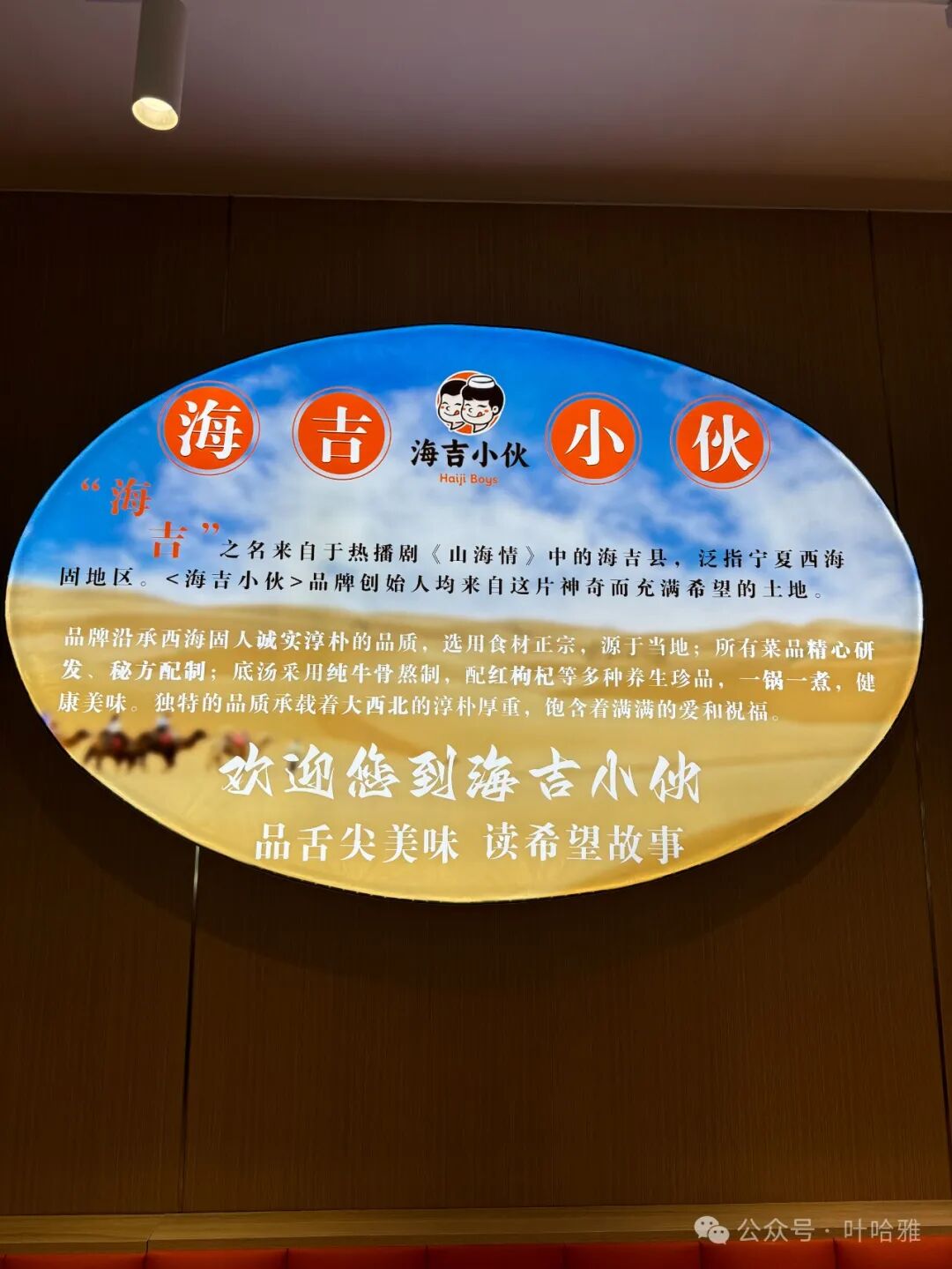
Haiji County does not actually exist. Ningxia has three places called Xiji, Guyuan, and Haiyuan, collectively known as Xihaigu. You can read more in my travel guide about the halal food tours in Yinchuan and Xihaigu, Ningxia.
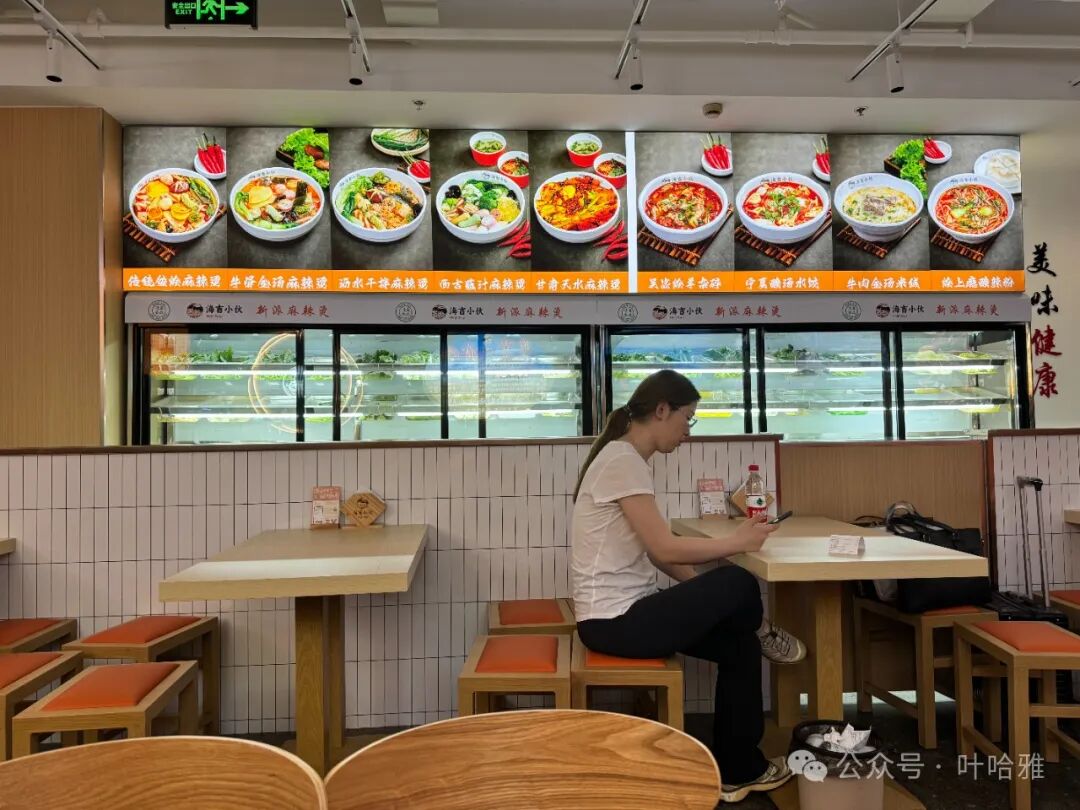
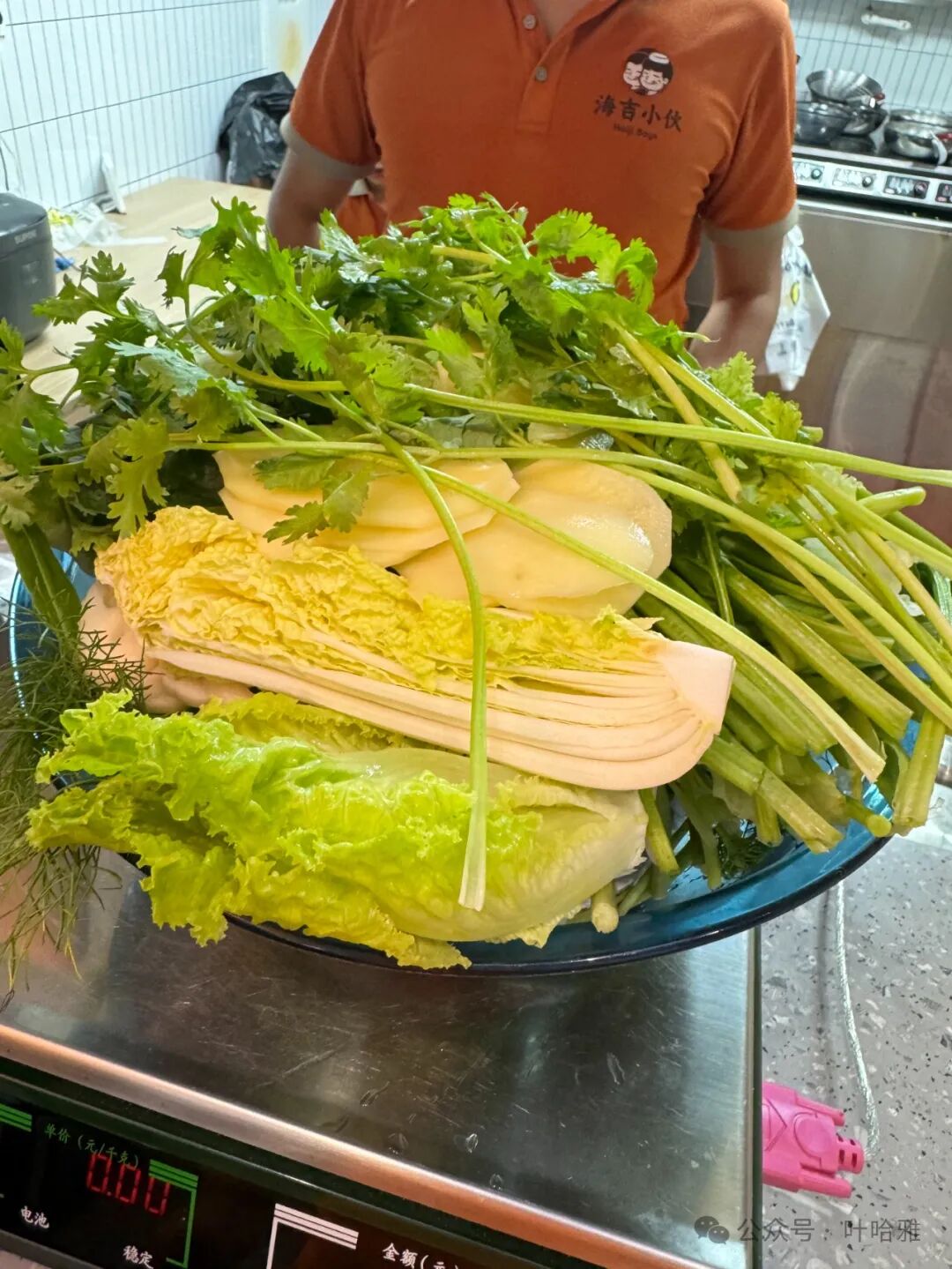
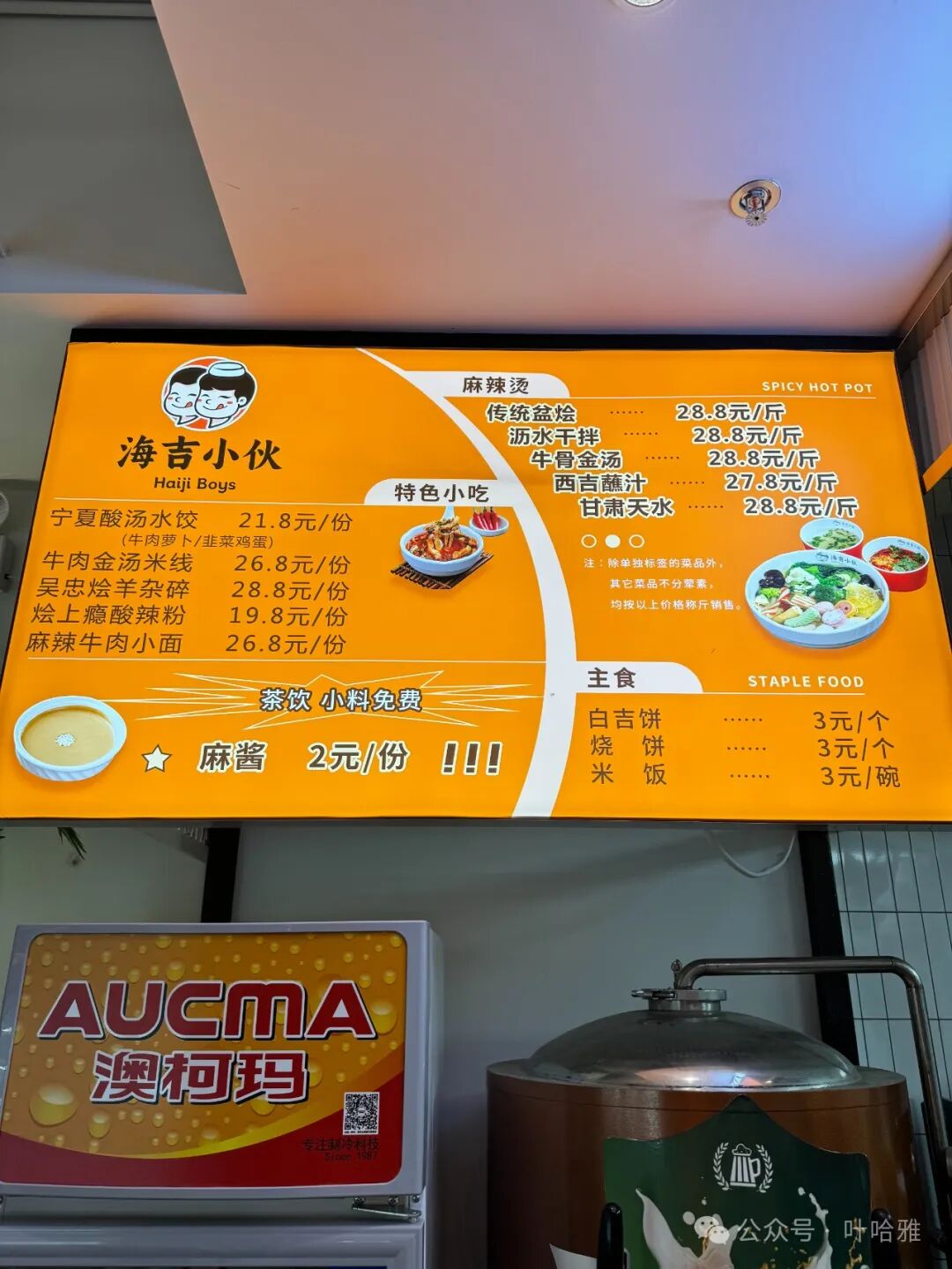
There are five soup base flavors for the spicy hot pot (malatang). I chose the Xiji dipping sauce style. The shop also sells lamb offal soup (yangza) from Wuzhong, small noodles (xiaomian), and flatbread (baijimo), which are all specialties of Northwest China.
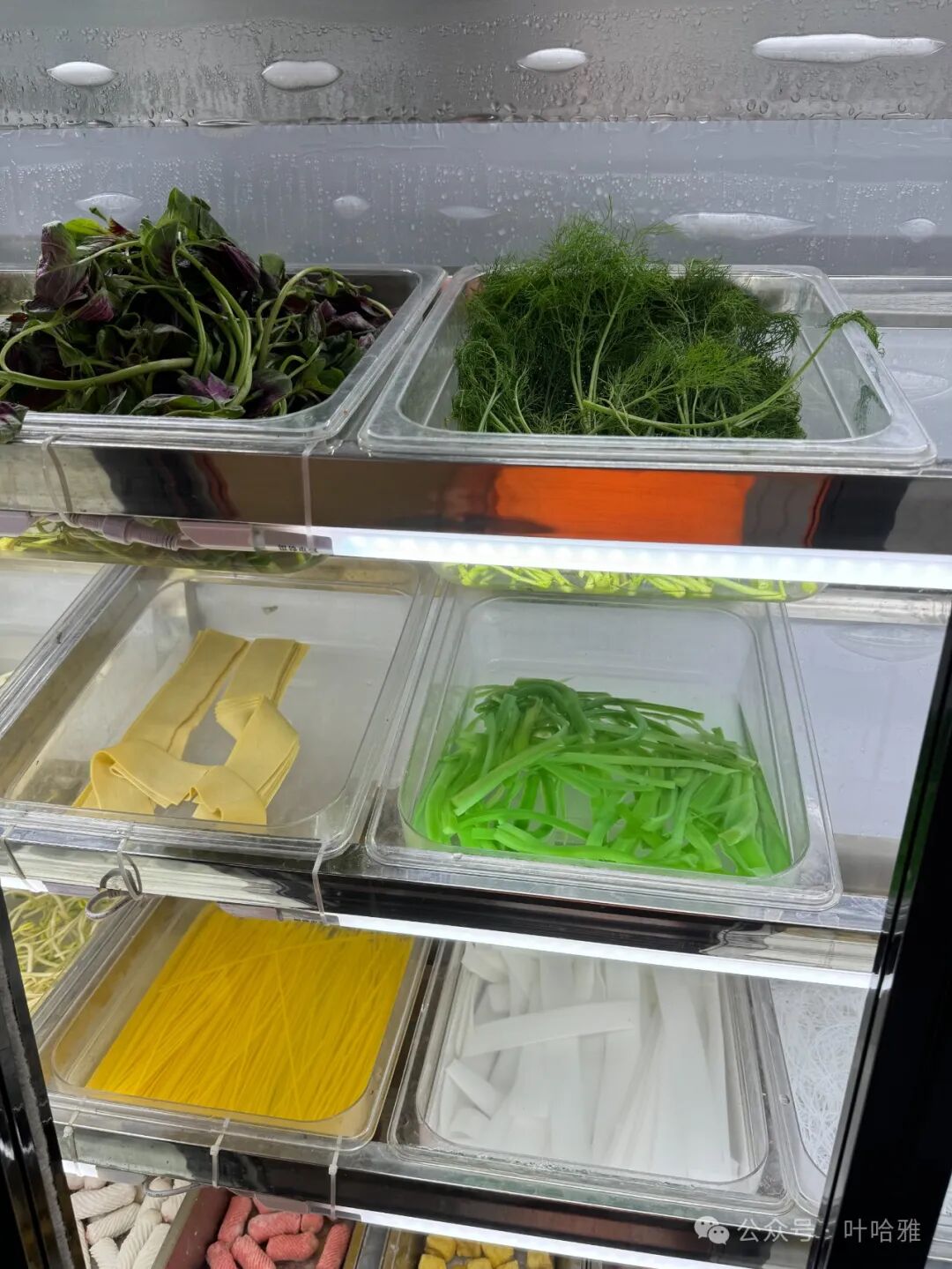
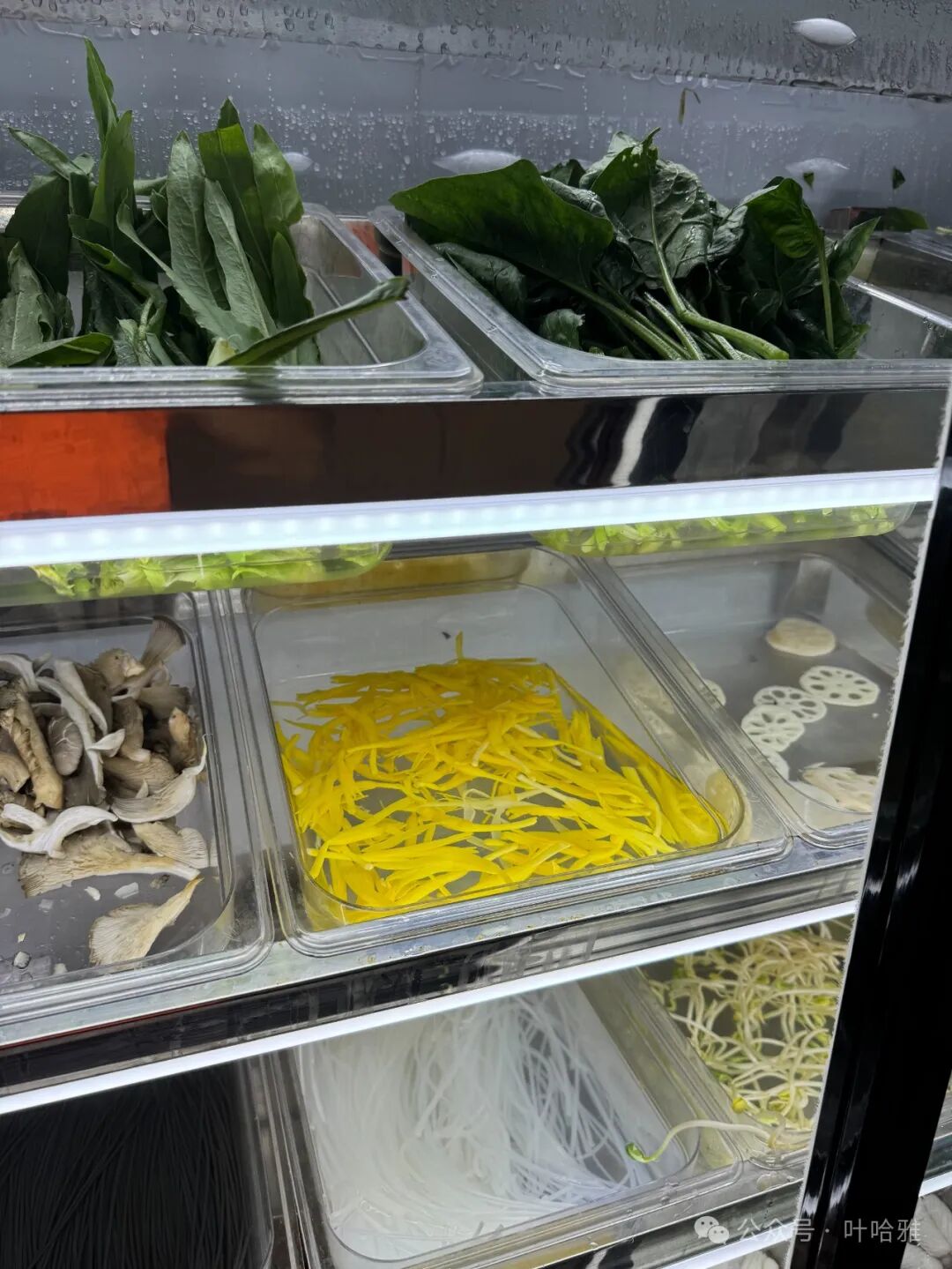
There are many items for the hot pot, including some unusual vegetables like fennel and fresh daylily.
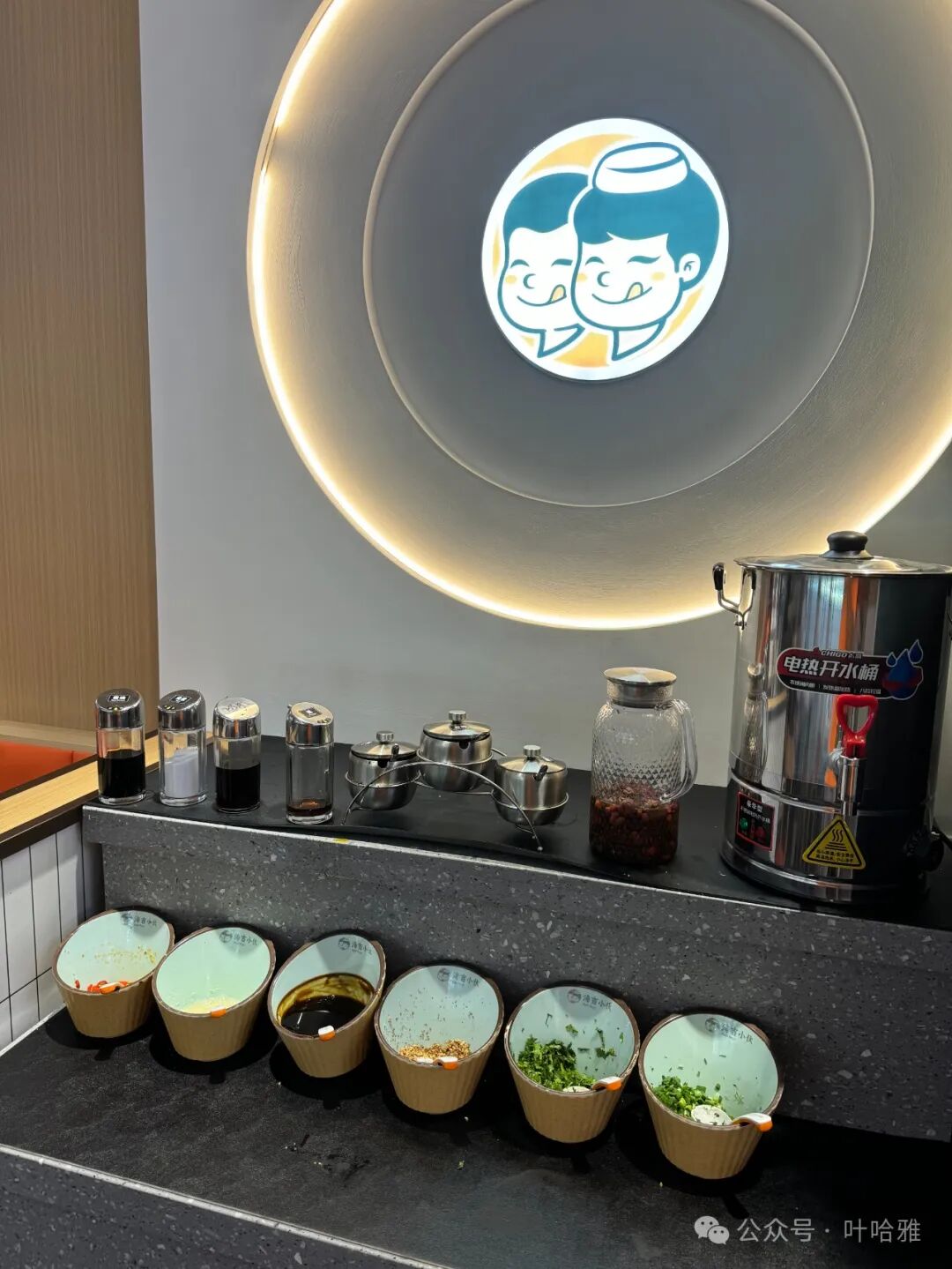
You can mix your own dipping sauce, which makes the experience feel a lot like Sichuan-style hot pot.
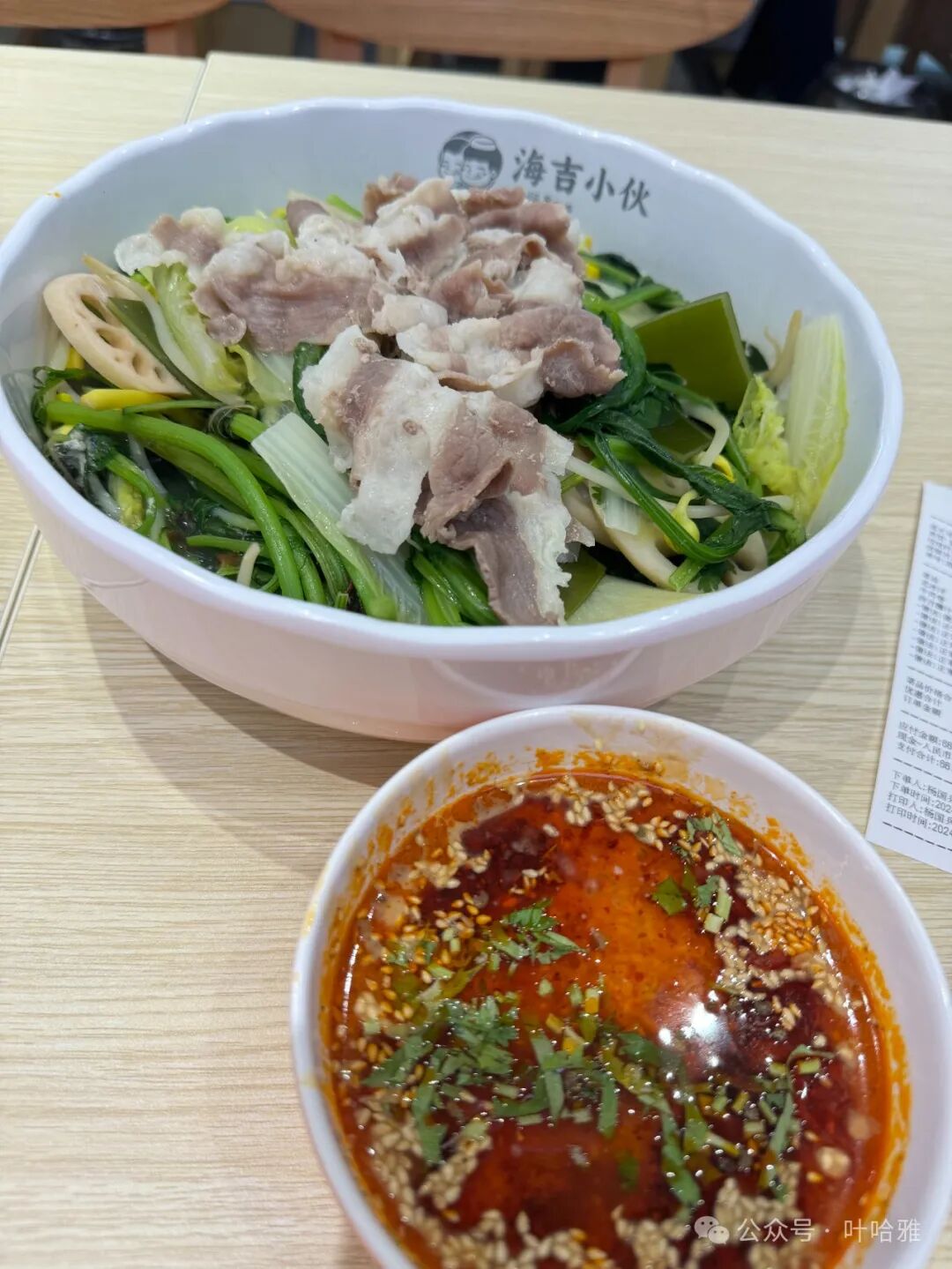
Keeping the food and the dipping sauce separate is a good idea, as you can add them according to your taste. Some people cannot handle spice, so they can choose the clear broth instead.
- Yilan Jianglaiwang
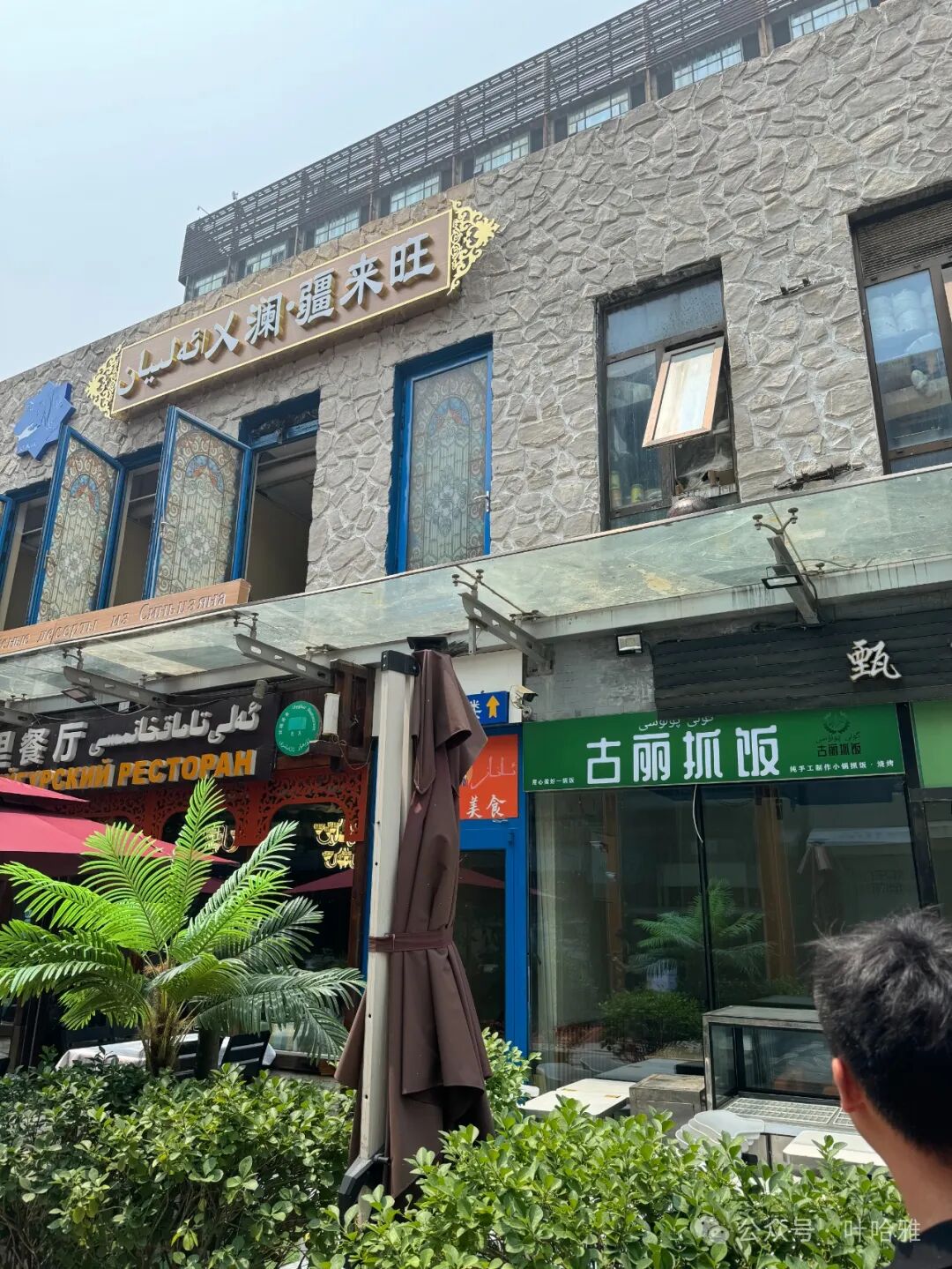
This is a newly opened Xinjiang restaurant on Shenlu Street in Chaoyang. Shenlu Street has turned into a street for Xinjiang cuisine, but every restaurant here has its own unique style.
The staff in the shop are all young Uyghur men.
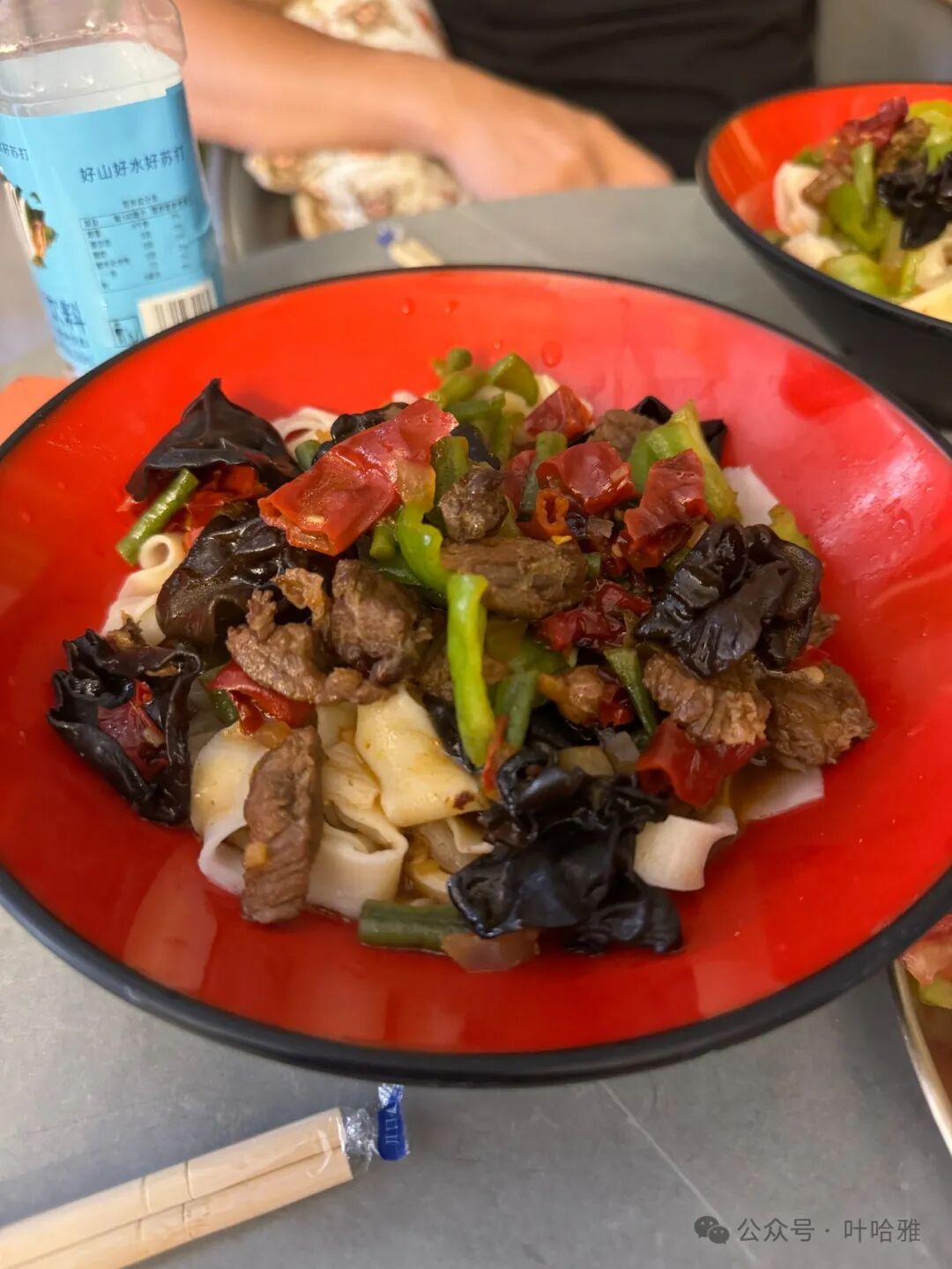
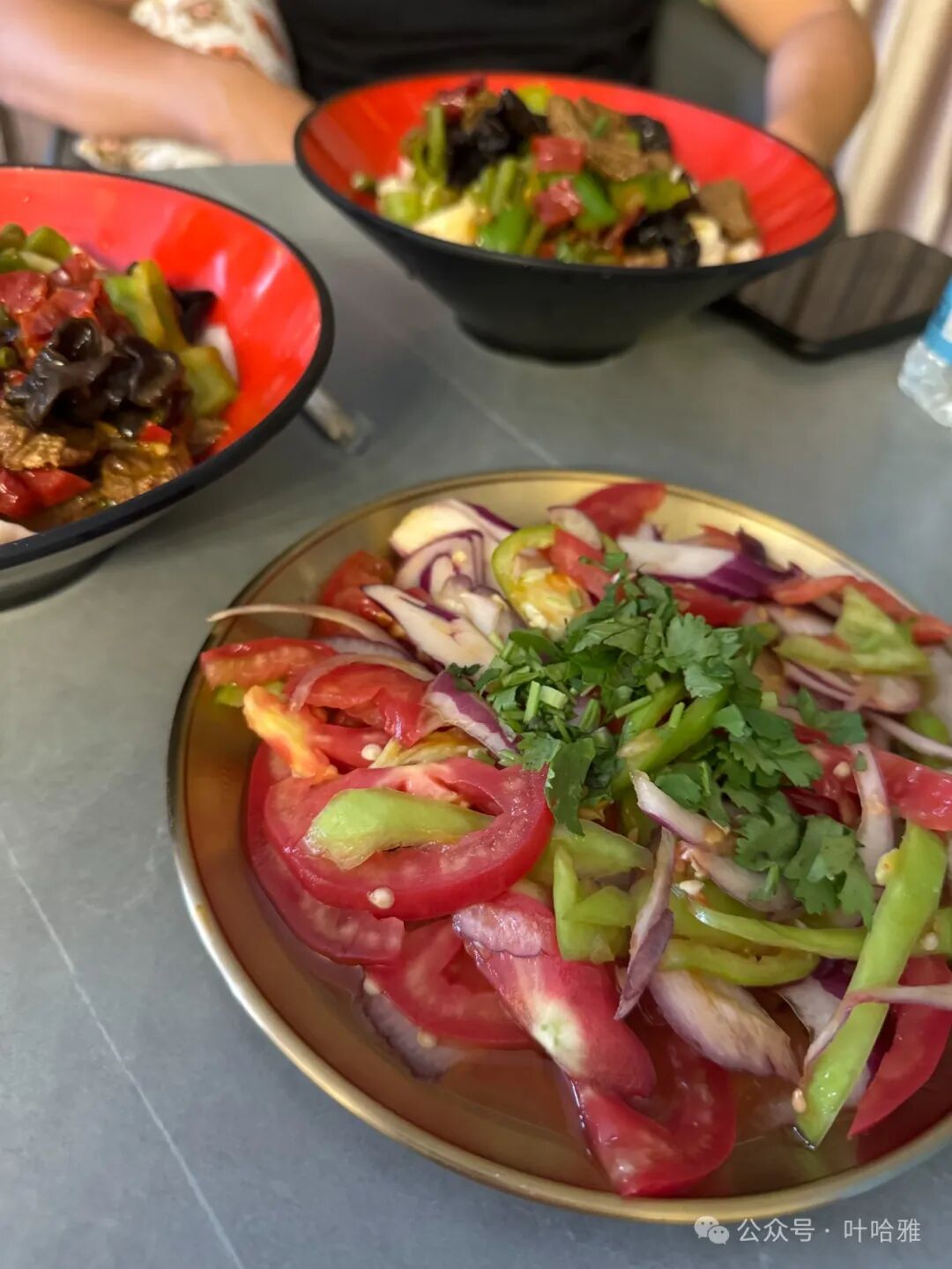
The specialty of this shop is home-style mixed noodles (banmian), which are made with hand-cut wide noodles.
- Sumac Lebanese Restaurant
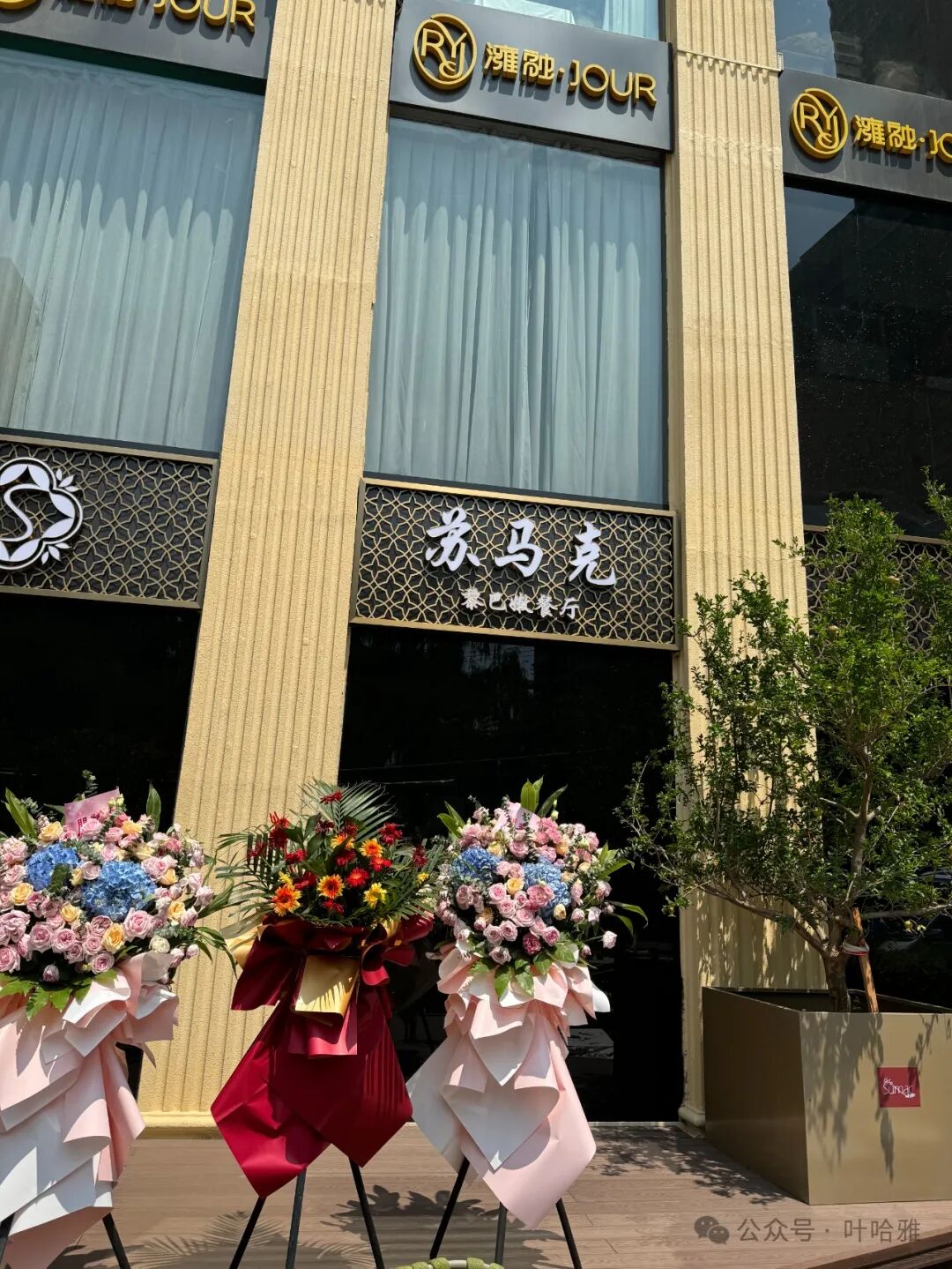
This is a newly opened Lebanese restaurant in Liangmahewan. It is a chain restaurant that also has a branch in Hong Kong. The owner is a Lebanese Catholic, and the kitchen team is made up of Lebanese Muslims. The restaurant does not display a halal sign, but I am used to that. In Europe and America, not every halal restaurant puts up a sign, especially those run by Middle Easterners who do not have the habit of doing so. You just need to ask when you walk in.
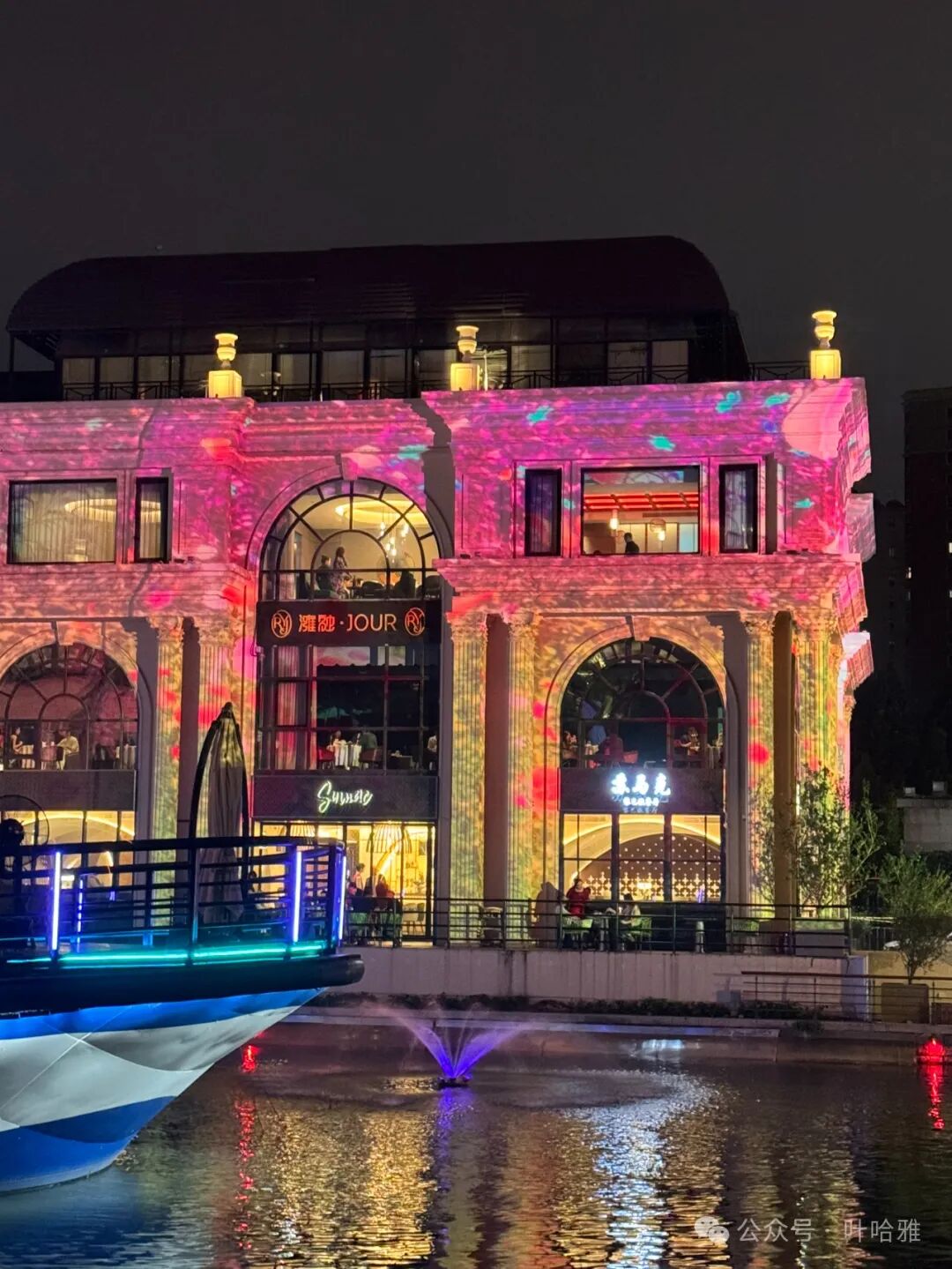
Sumac restaurant is in the heart of the Liangma River bay, right next to the water. Sitting by the river in the evening to drink tea and enjoy the food is a wonderful experience.
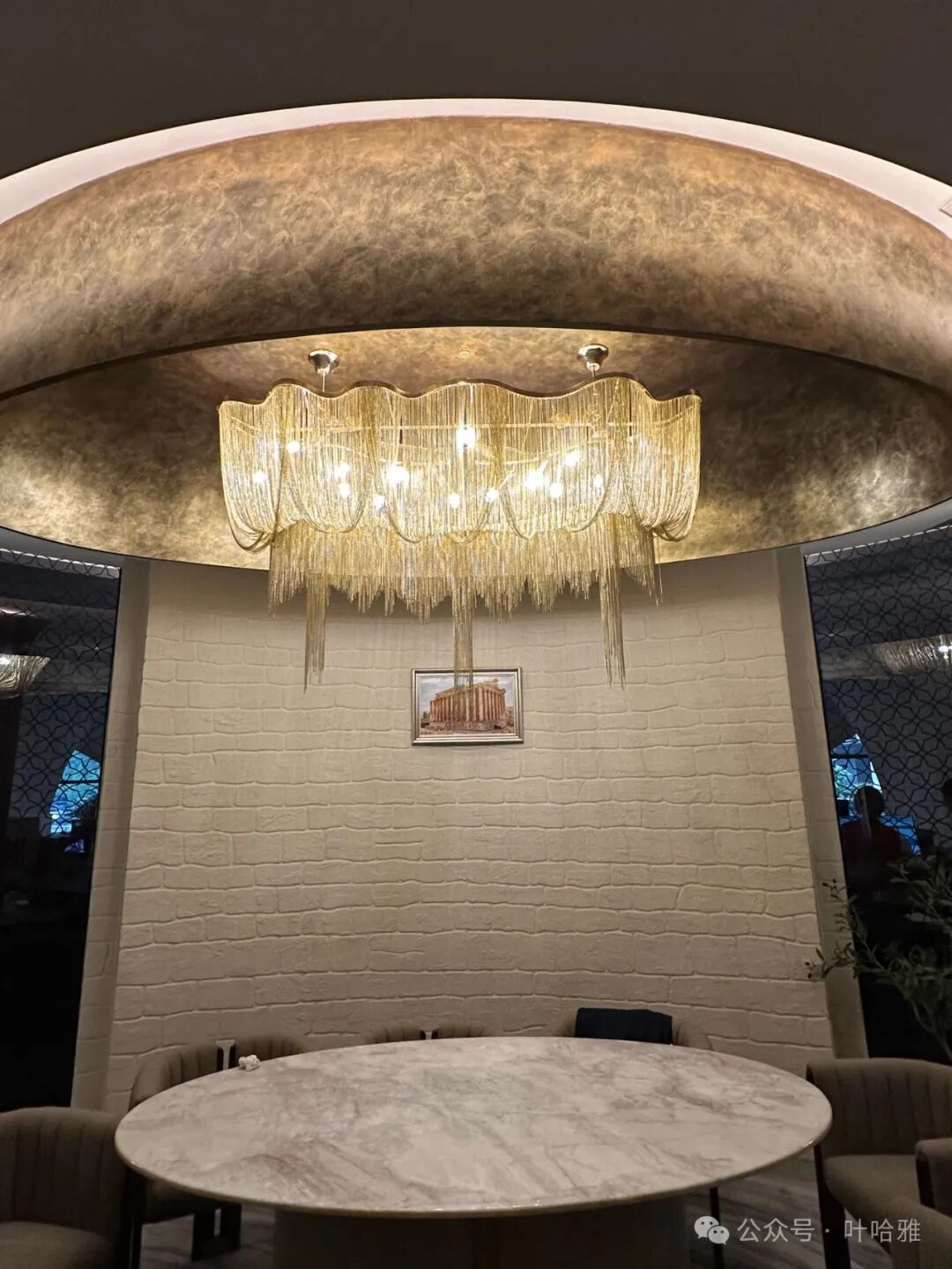
The restaurant’s decor also draws inspiration from Lebanese history and culture.
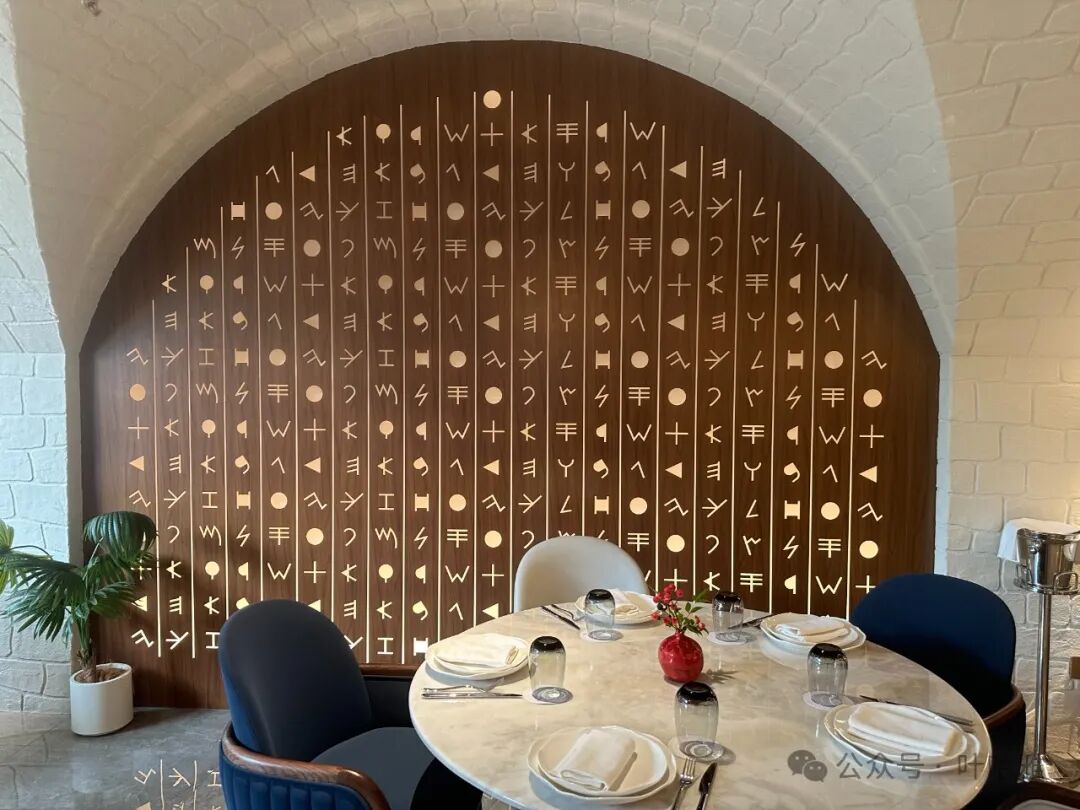
The background on the wall features Phoenician script. Lebanon is the birthplace of Phoenician script, which is the mother of all European languages.
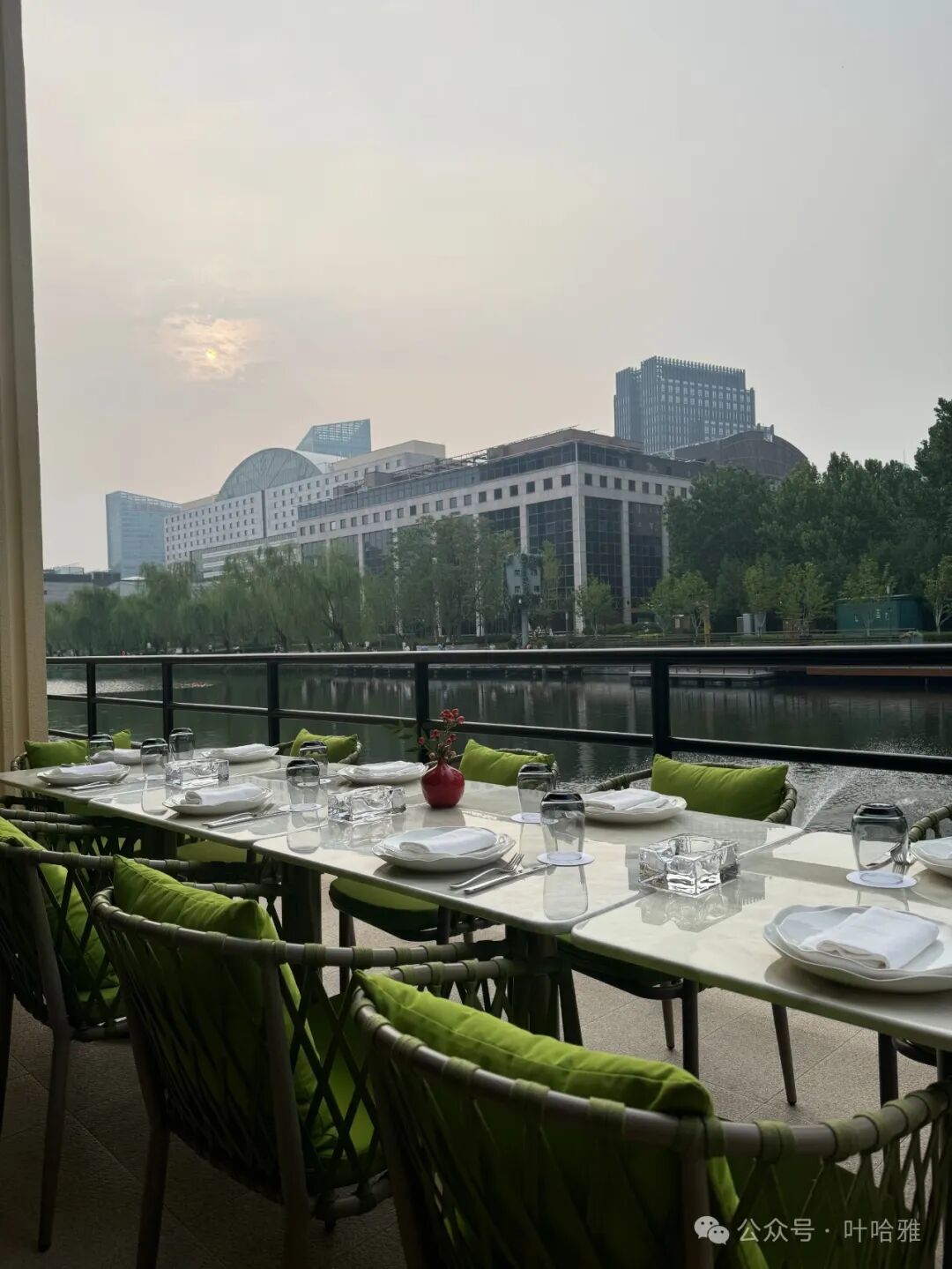
Dining at a river-view restaurant in Liangma River bay is quite a luxury. The average cost per person is 300 yuan, and sitting by the river gives you the illusion of being by the Mediterranean Sea.
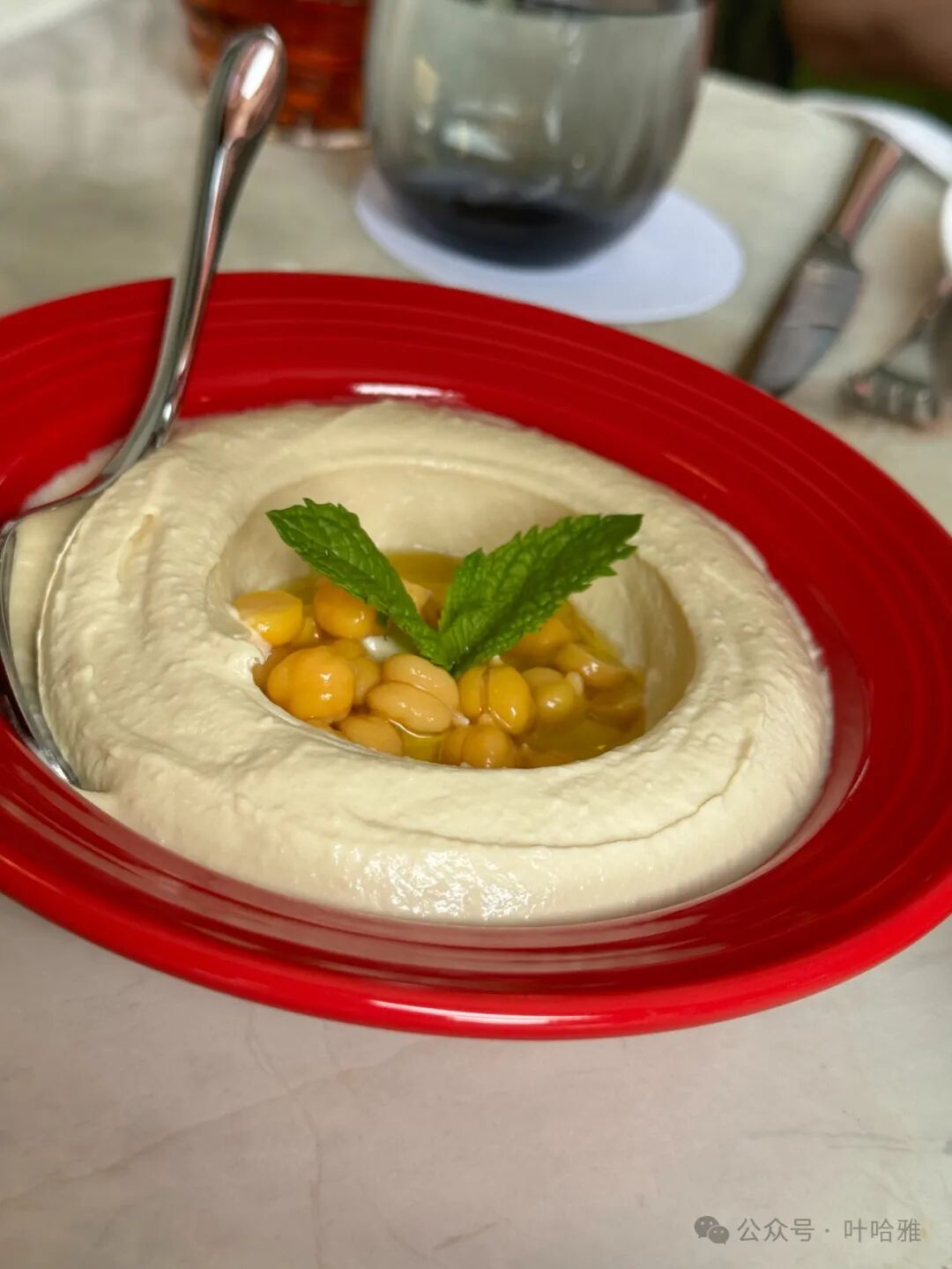
Hummus (humusi)
Hummus is made by mixing mashed chickpeas and sesame paste, served with olive oil.
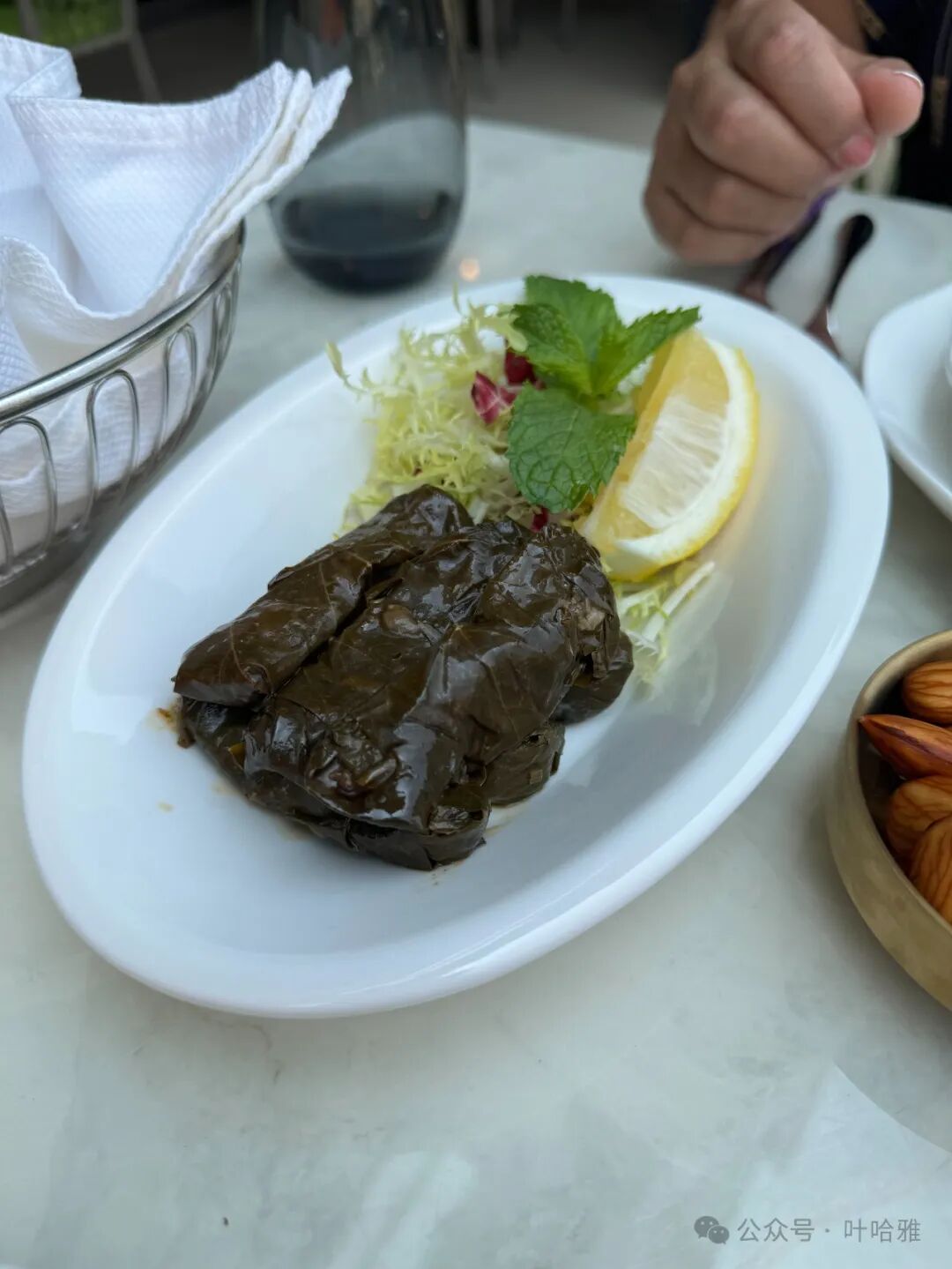
Stuffed grape leaves (putaoye juanfan)
The outer layer is made of real grape leaves, stuffed with rice, tomatoes, parsley, and pomegranate sauce.
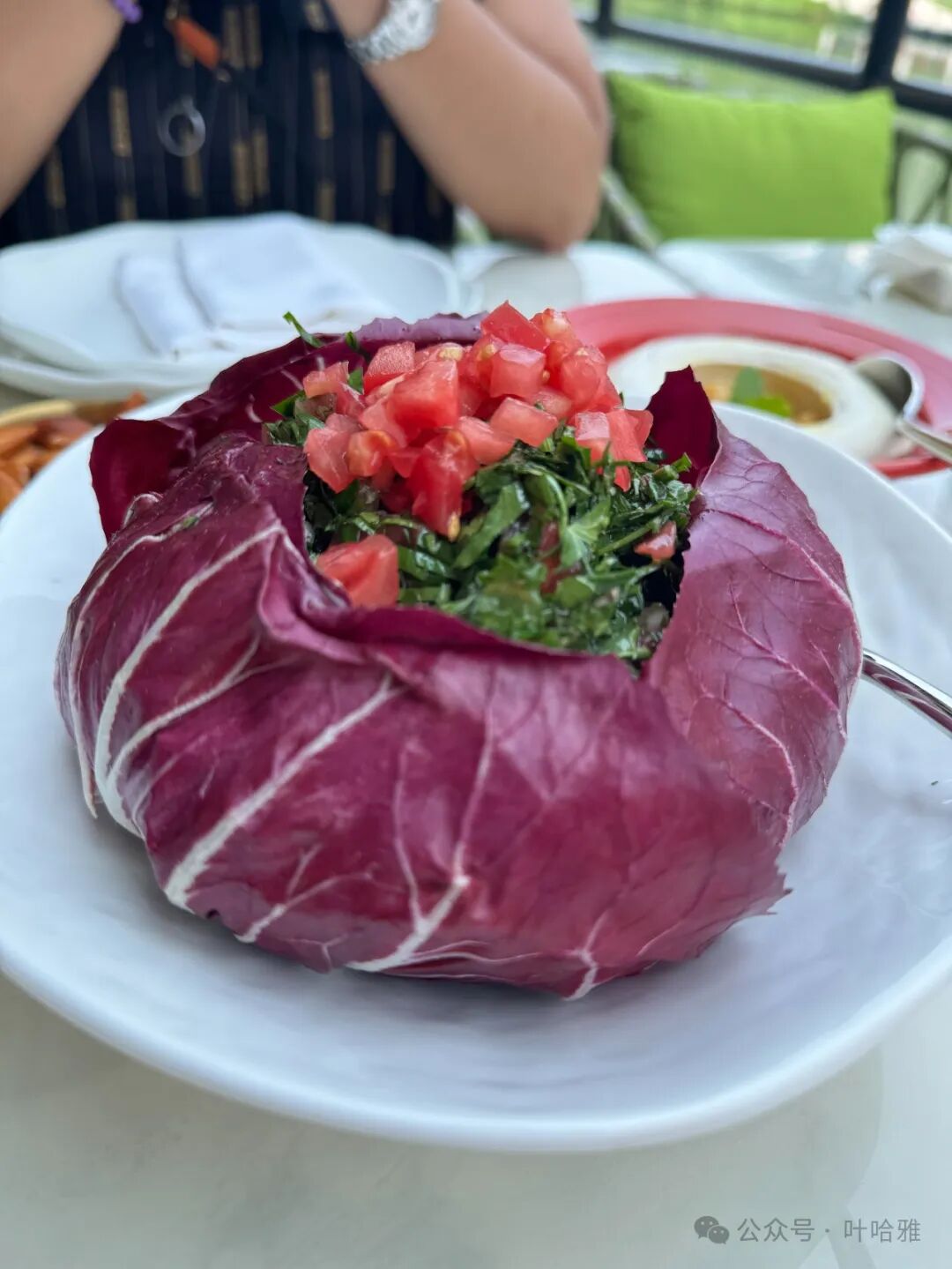
Tabbouleh salad (tabuli shala)
Tabbouleh salad is a traditional Arab salad. The ingredients include chopped parsley, tomatoes, onions, mint, and bulgur wheat, dressed with lemon juice and olive oil.
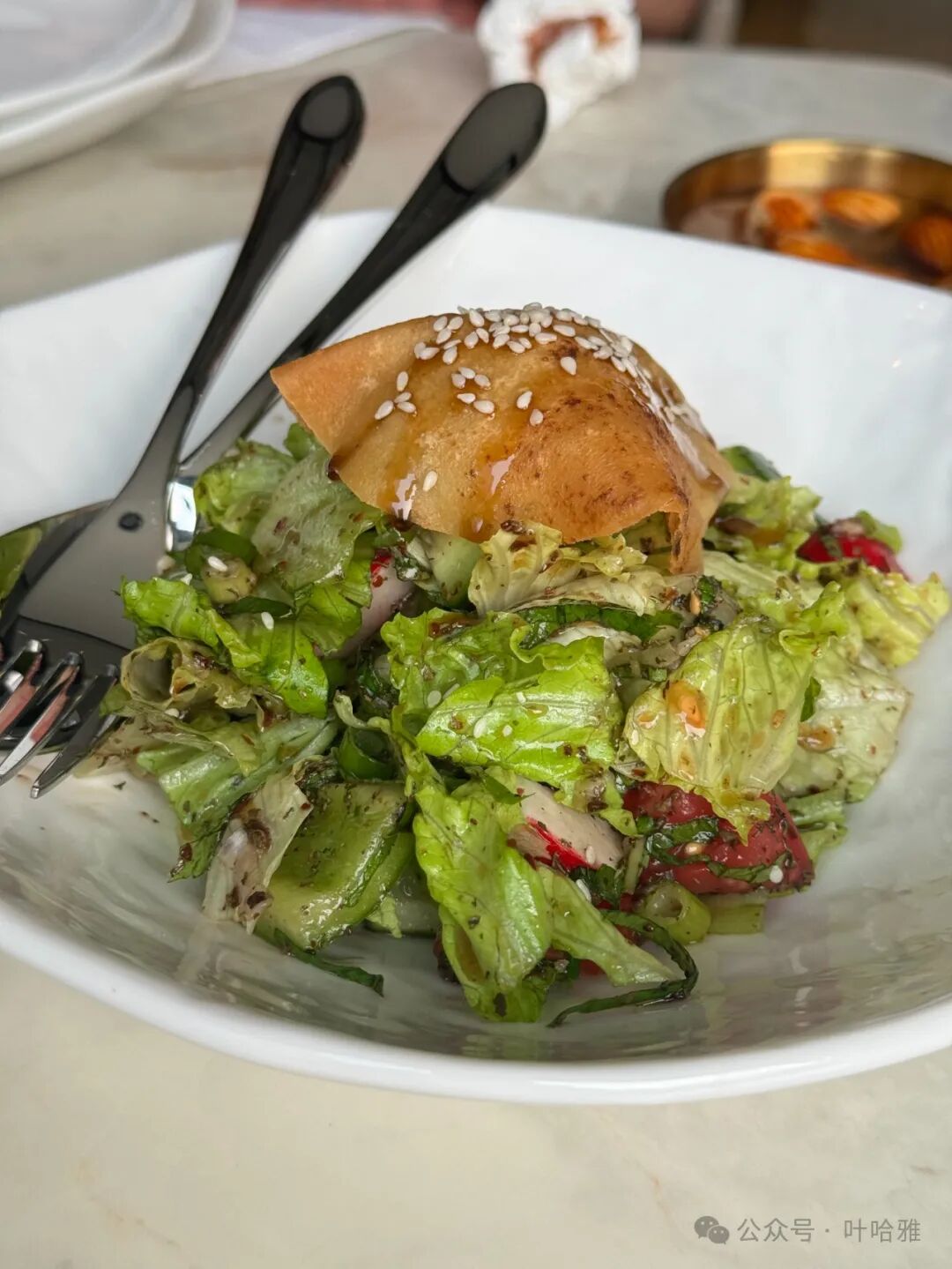
Phoenician classic salad
Phoenician wheat seeds (faymai), chopped parsley, onions, tomatoes, green peppers, walnuts, pomegranate, and mint, served with pomegranate molasses dressing.
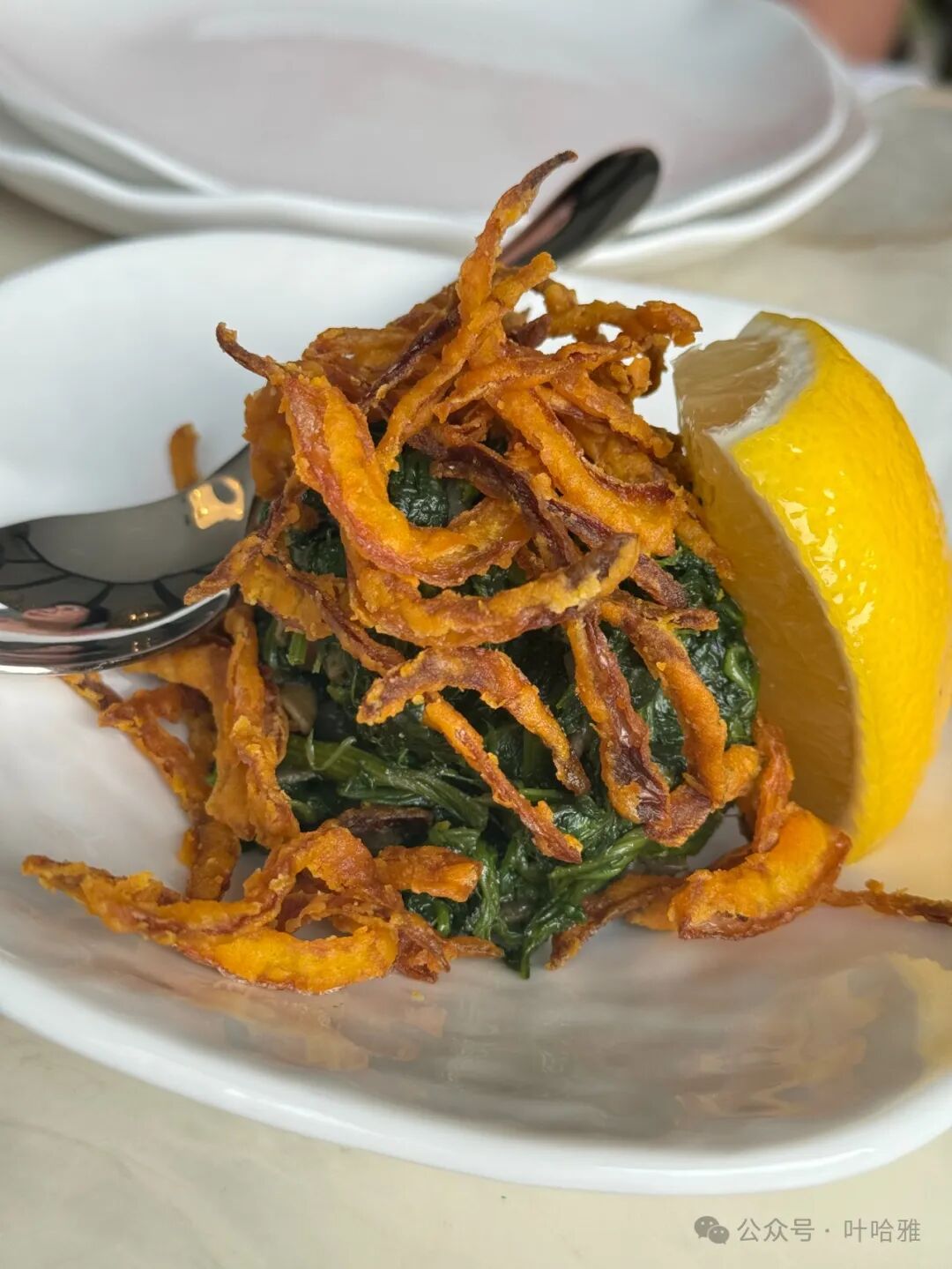
Cold tossed dandelion greens
Fresh dandelion leaves slow-fried in olive oil, seasoned with onions and garlic, and topped with crispy caramelized onions.
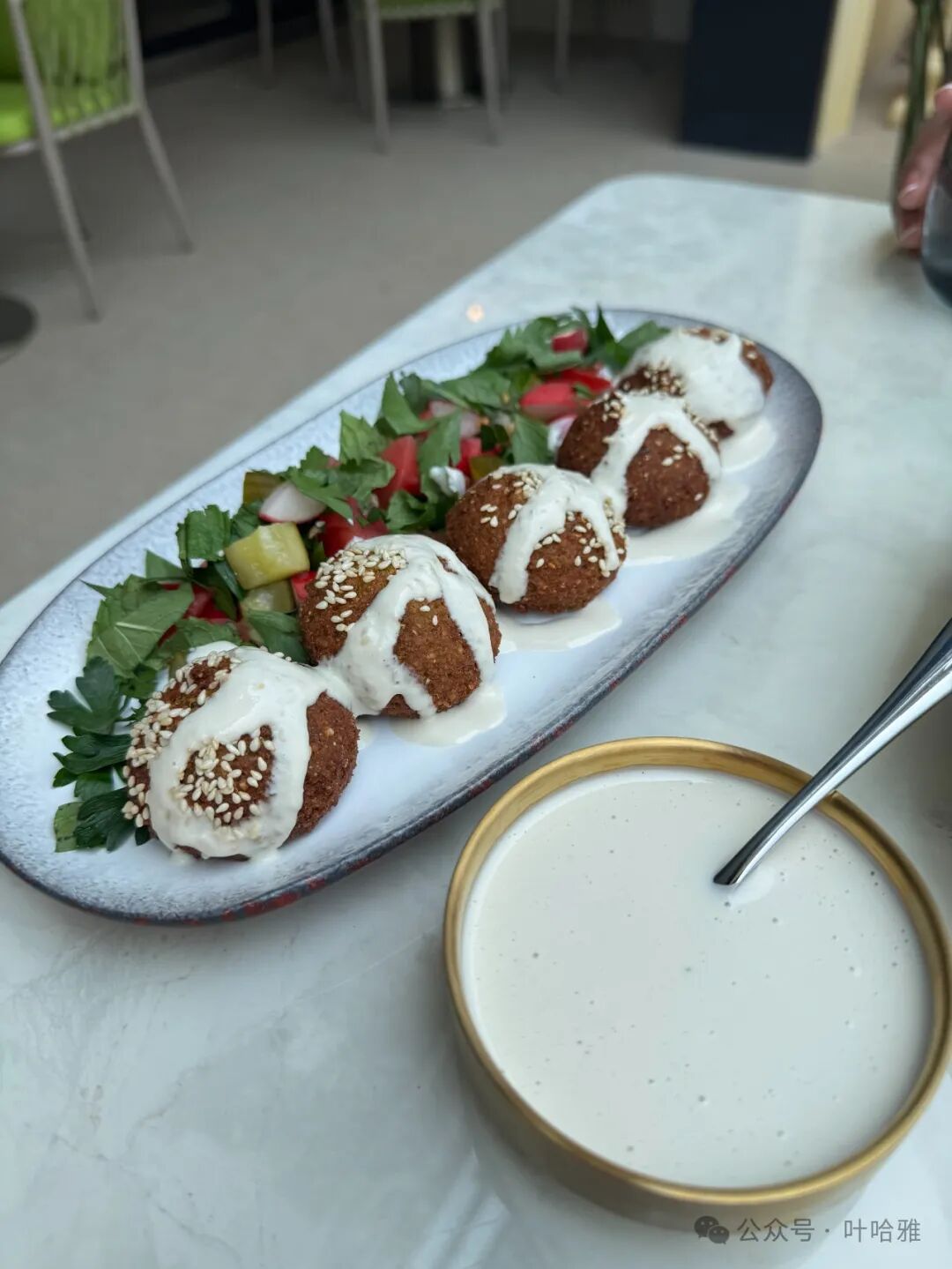
Deep-fried falafel balls (falafel)
Made from chickpeas and fava beans with added herbs and spices, served with tahini sesame paste and homemade pickles.
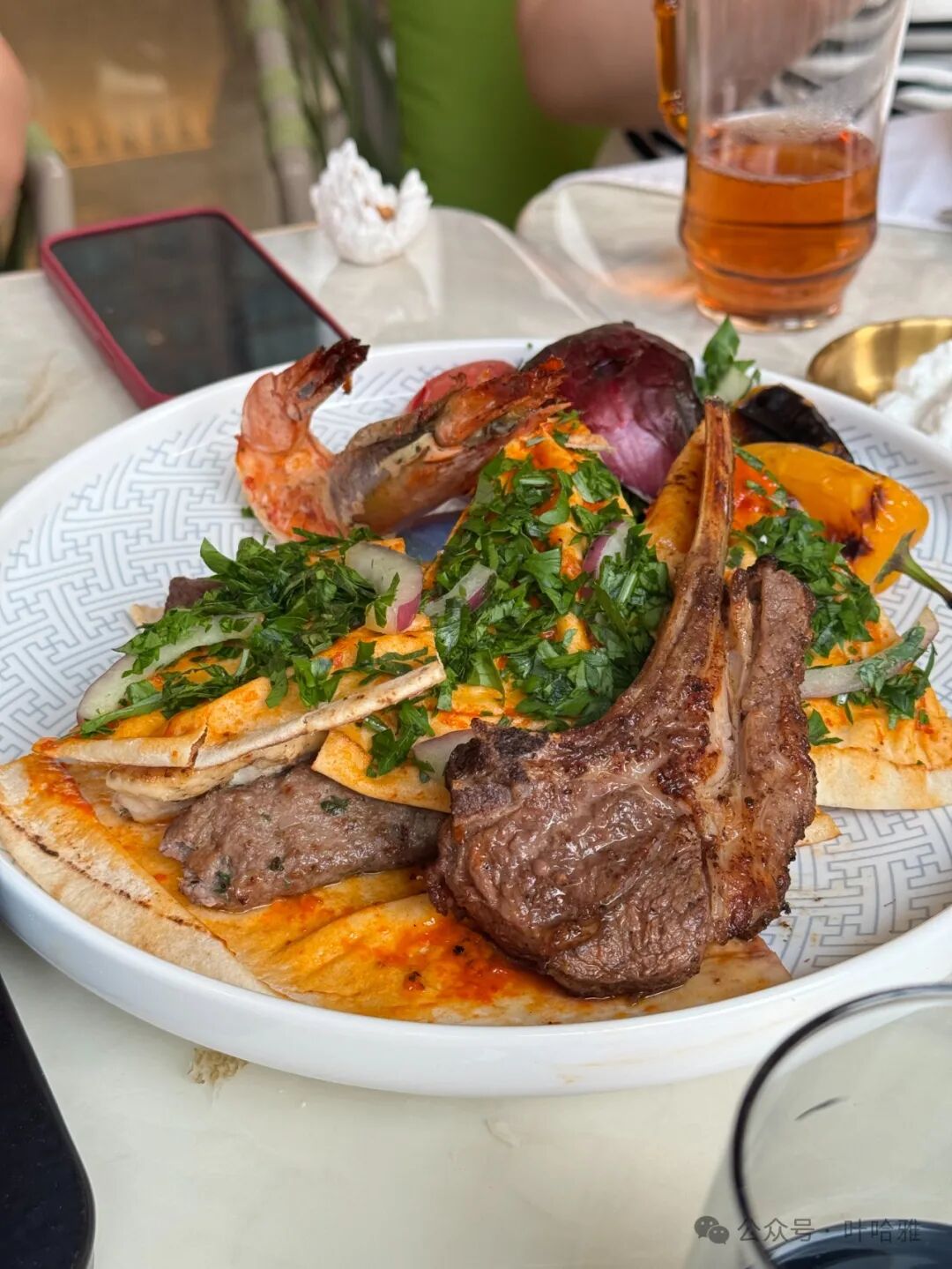
Grilled meat platter (small)
Includes chicken, beef, lamb, and prawns, served with roasted tomatoes, roasted onions, and roasted peppers.
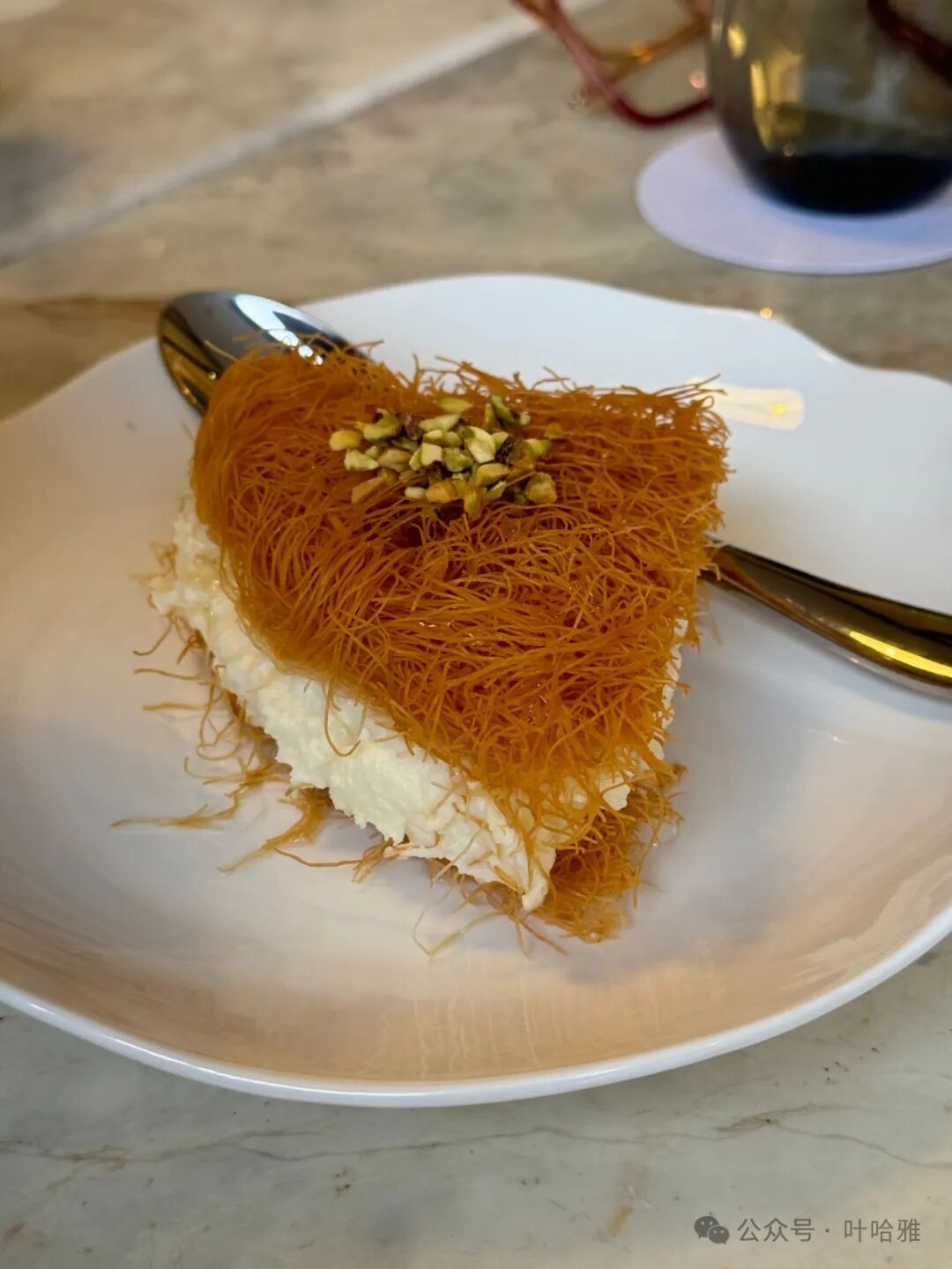
Crispy shredded milk pudding (kunafa)
A shredded pastry shell wrapped around milk cream pudding, served with traditional orange blossom syrup.
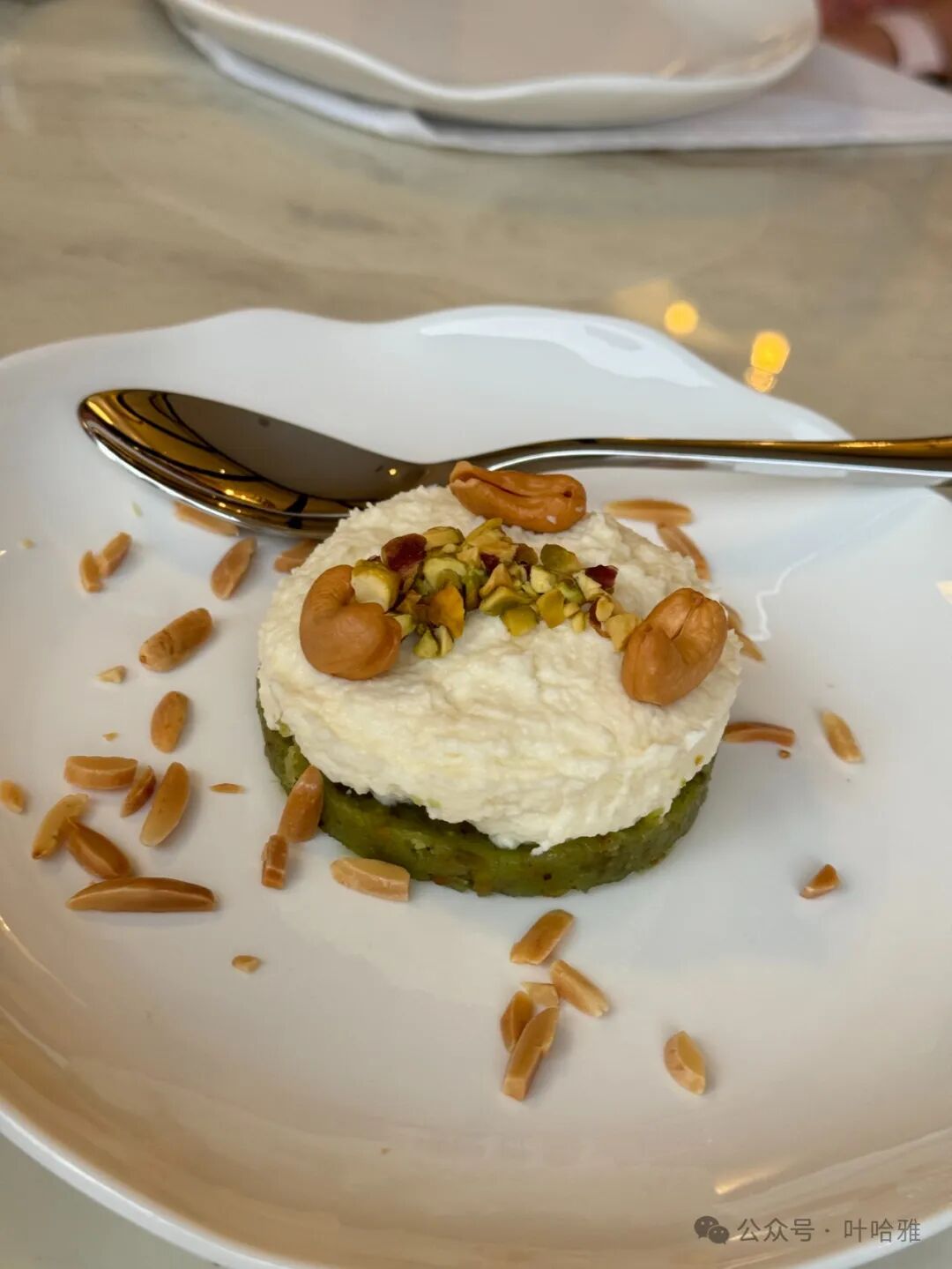
Pistachio milk pudding
Milk pudding with rose water, garnished with pistachio nuts from the inside out with pistachio kernels.
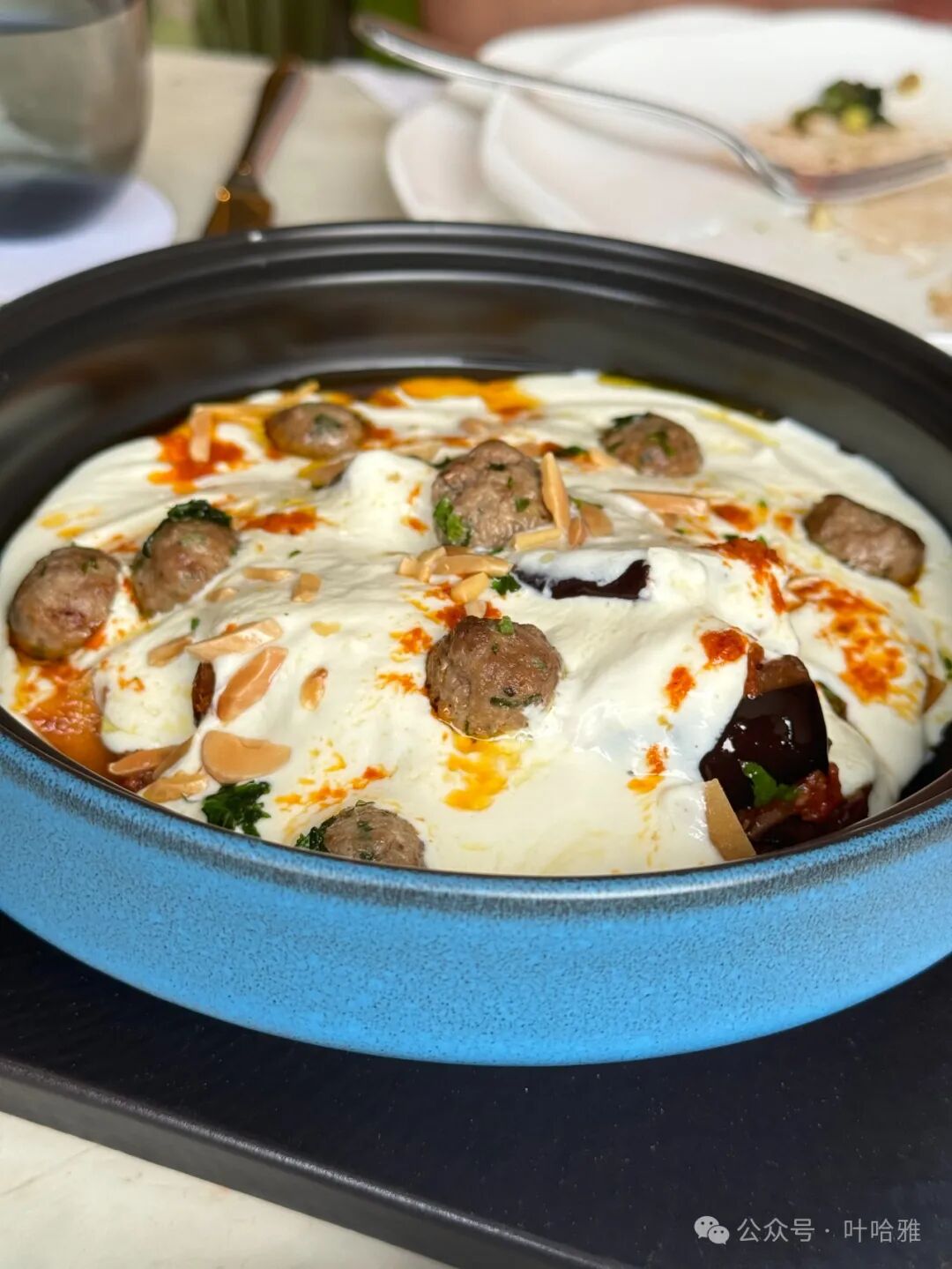
Kibbeh labanieh (baked meatball with yogurt sauce)
The ingredients include minced meat, fine bulgur wheat, onions, and spices, all simmered in a yogurt sauce with garlic and dried mint.
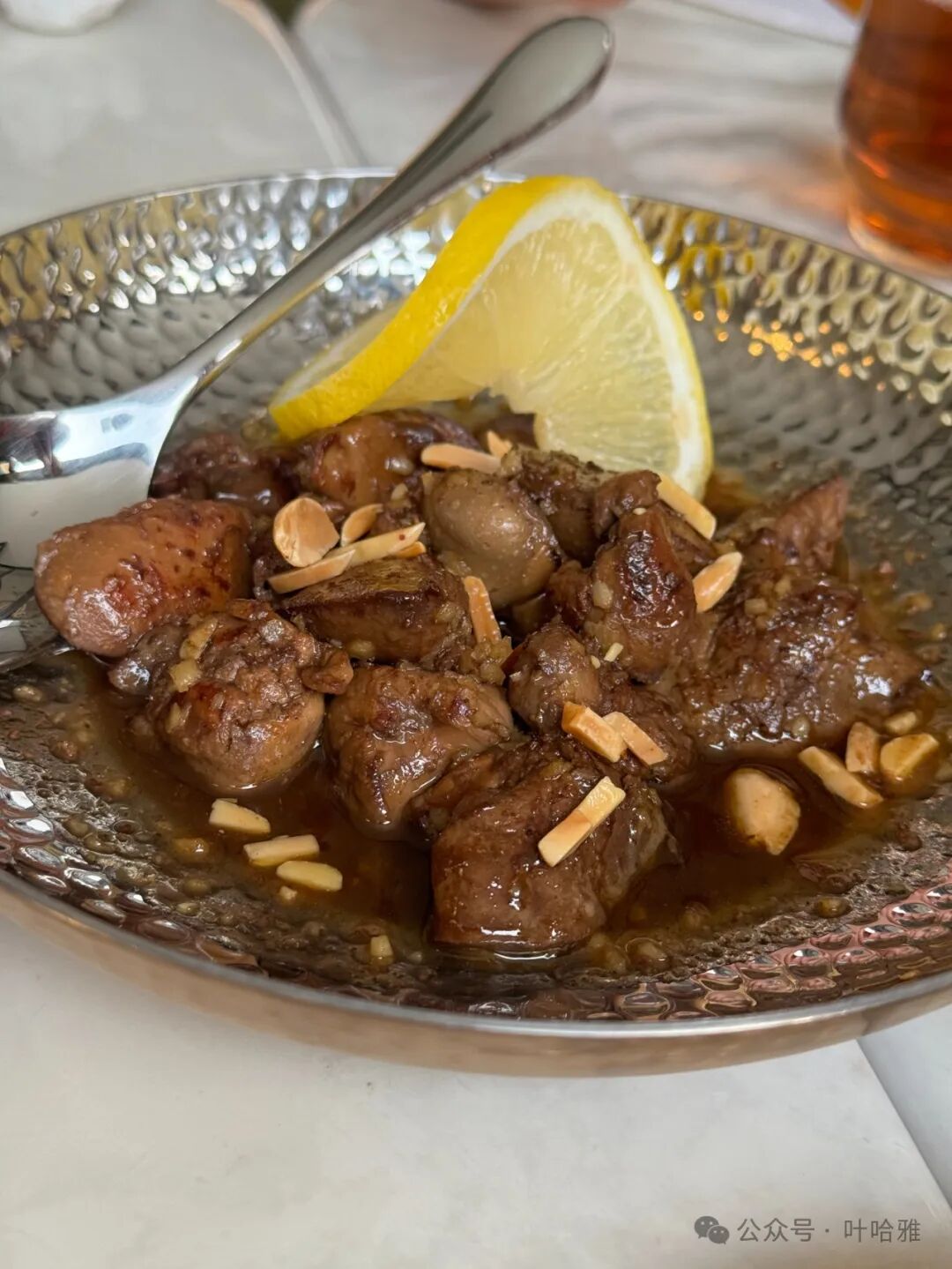
Chicken liver with pomegranate molasses
Chicken liver stir-fried with a garlic and pomegranate molasses sauce.
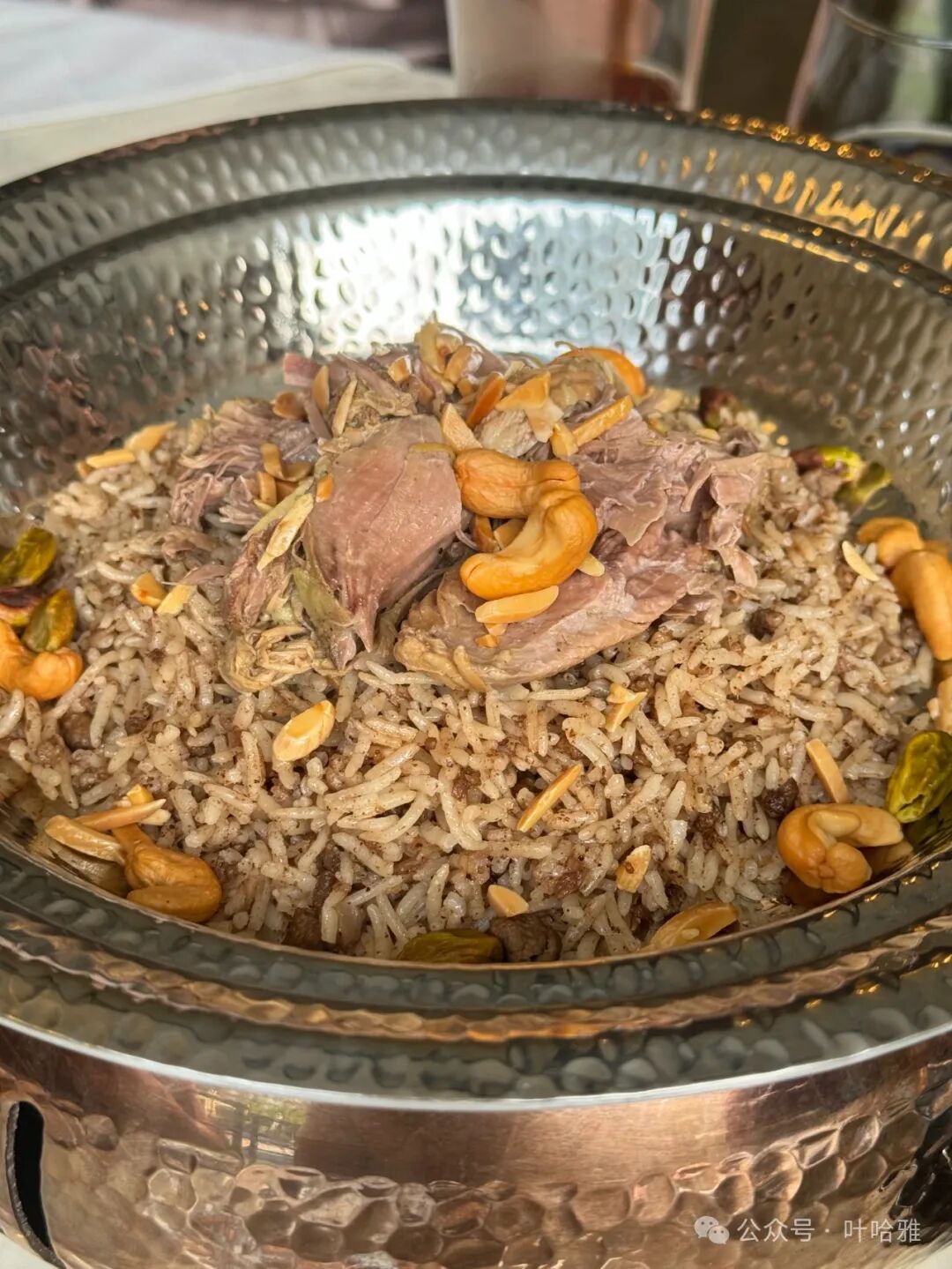
Roasted lamb leg with pilaf
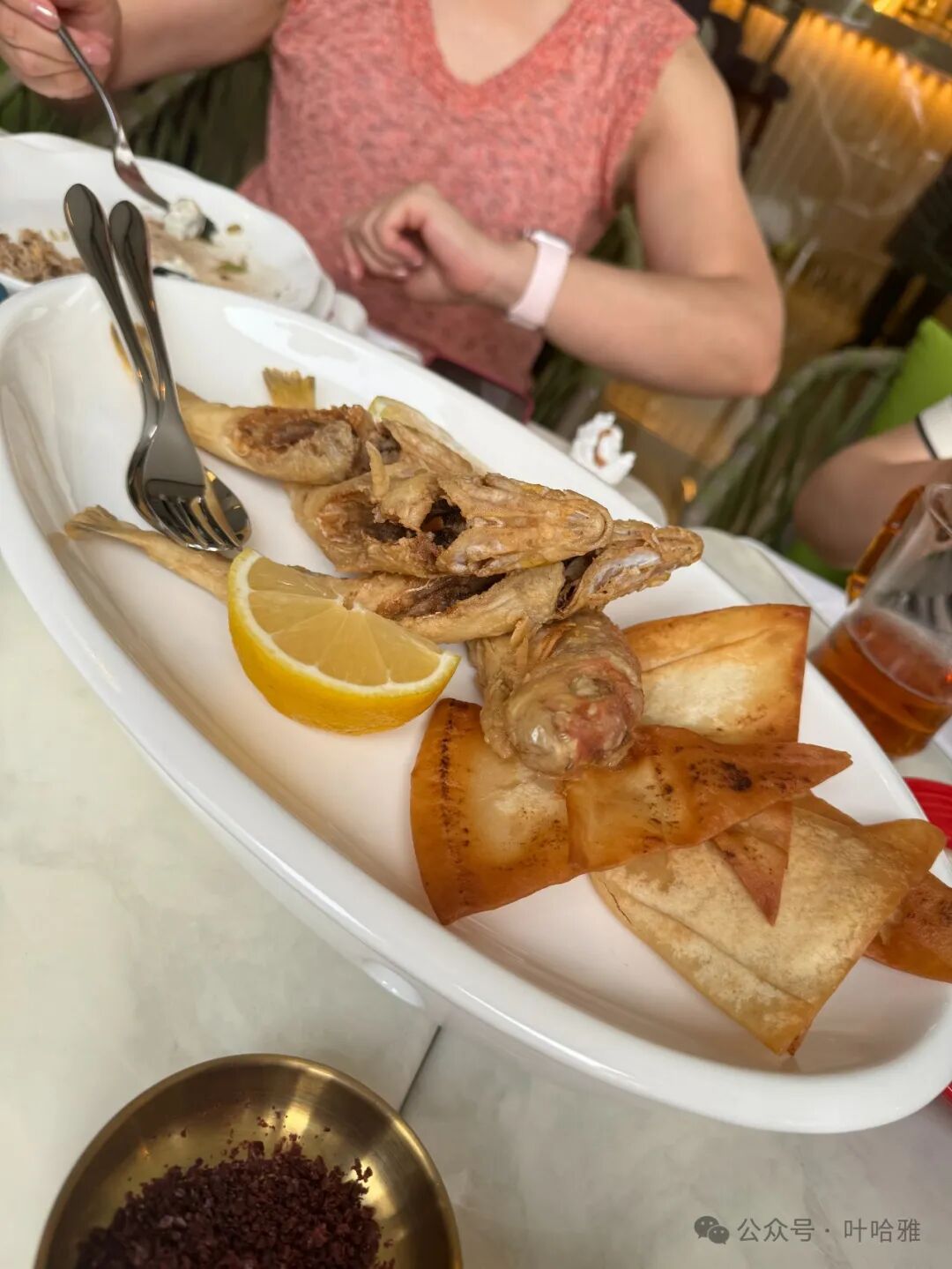
Mediterranean-style fried sea fish
This dish features two types of fish, red snapper and golden threadfin bream, served with traditional tarator sauce (Lebanese sesame paste).
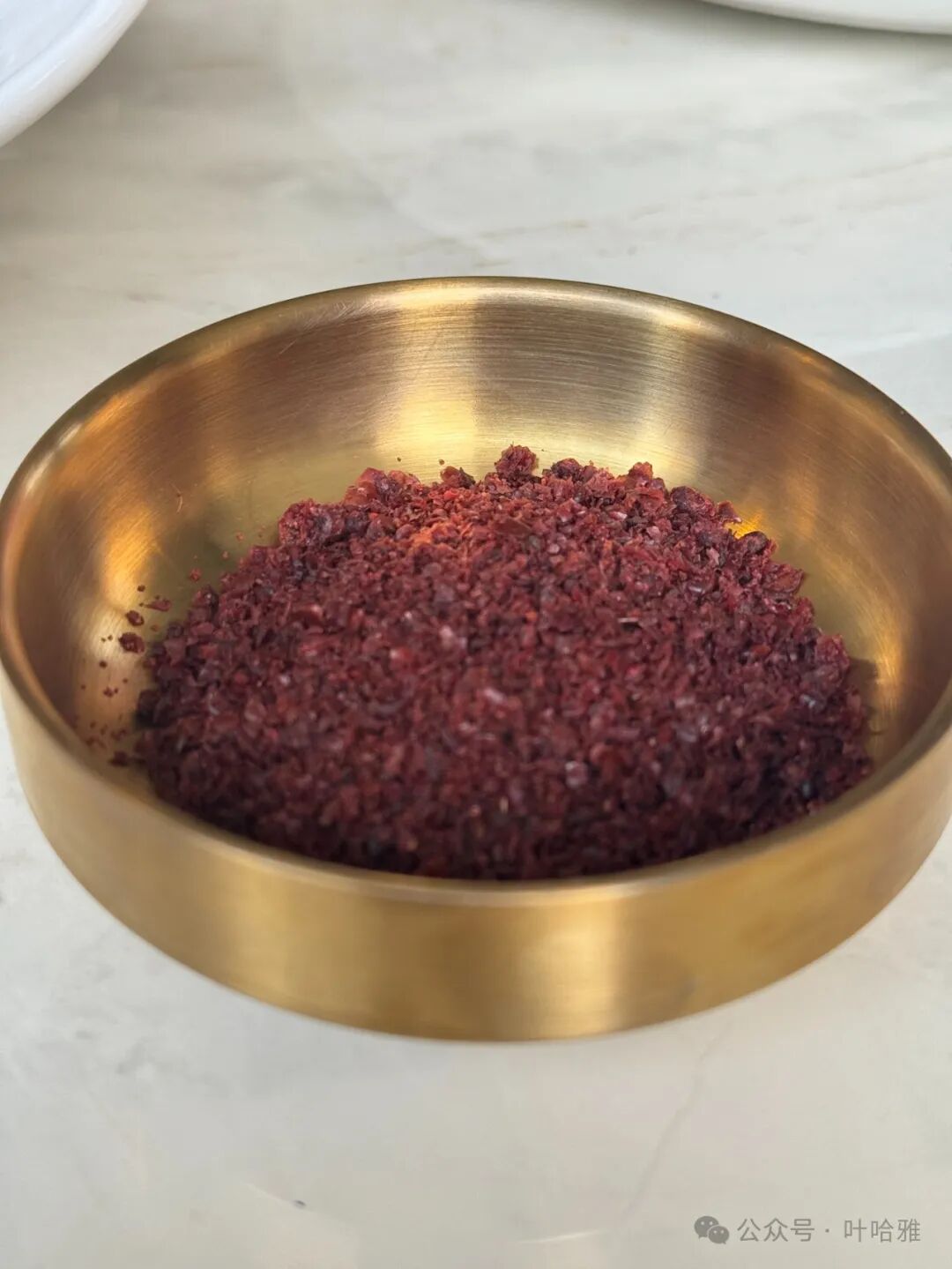
Sumac spice
The restaurant is named after this spice, sumac. It looks like saffron and is made from an ancient sumac berry once enjoyed by nobles.
- Tandoori Indian Cuisine
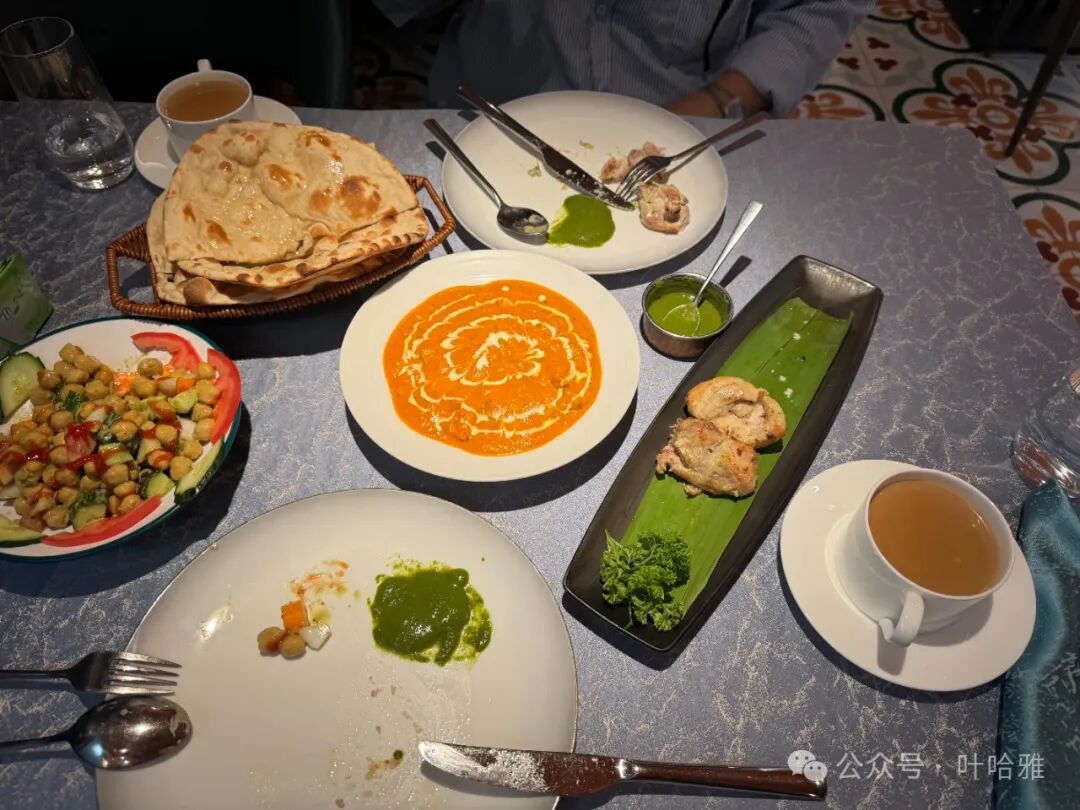
There is an Indian restaurant inside the hotel next to Sumac restaurant by the Liangma River. The staff are all Indian, and this is the original Tandoor restaurant from the Zhaolong Hotel.
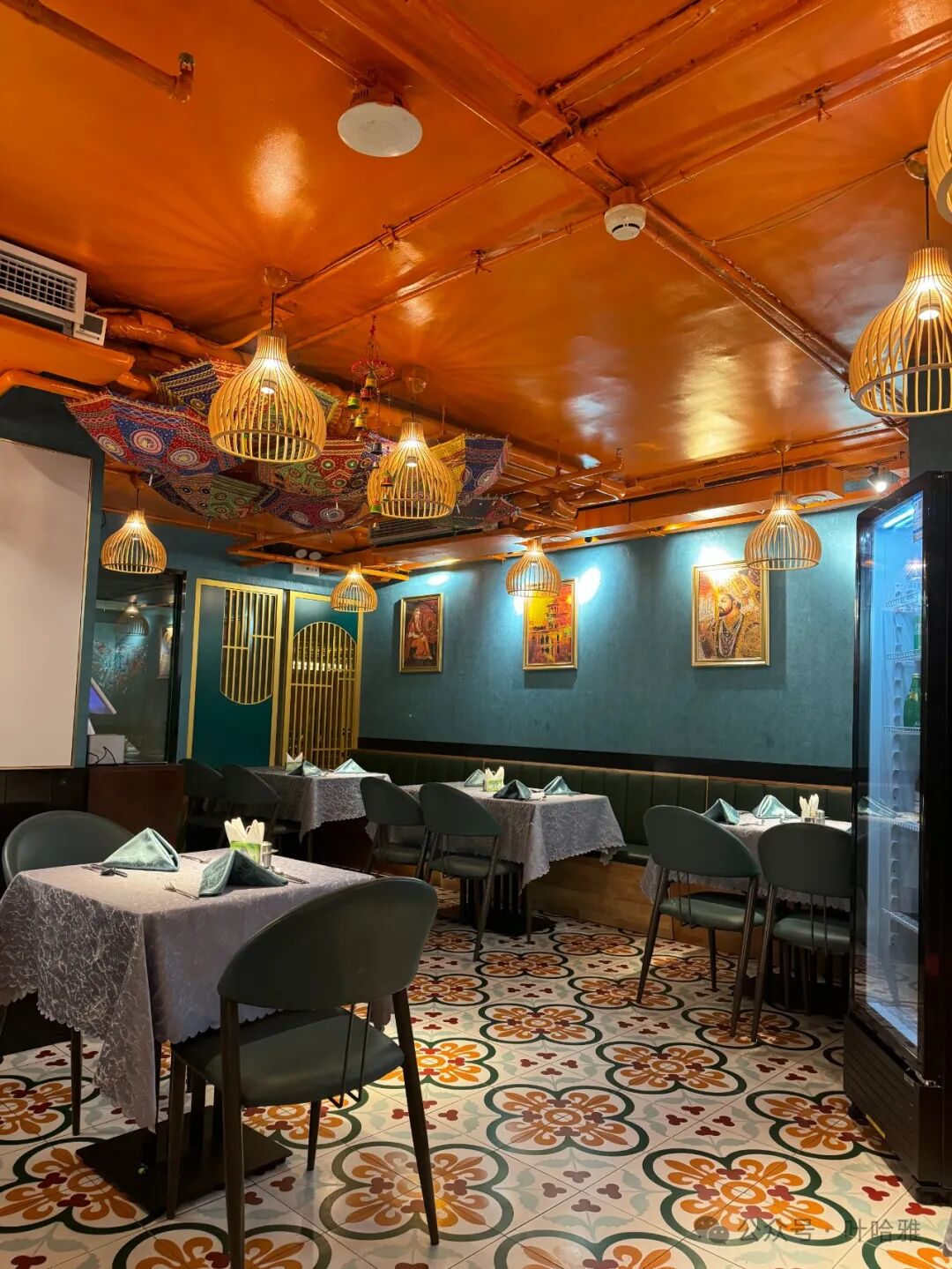
Indian cuisine in Beijing has become more common in recent years, and these restaurants are doing quite well.
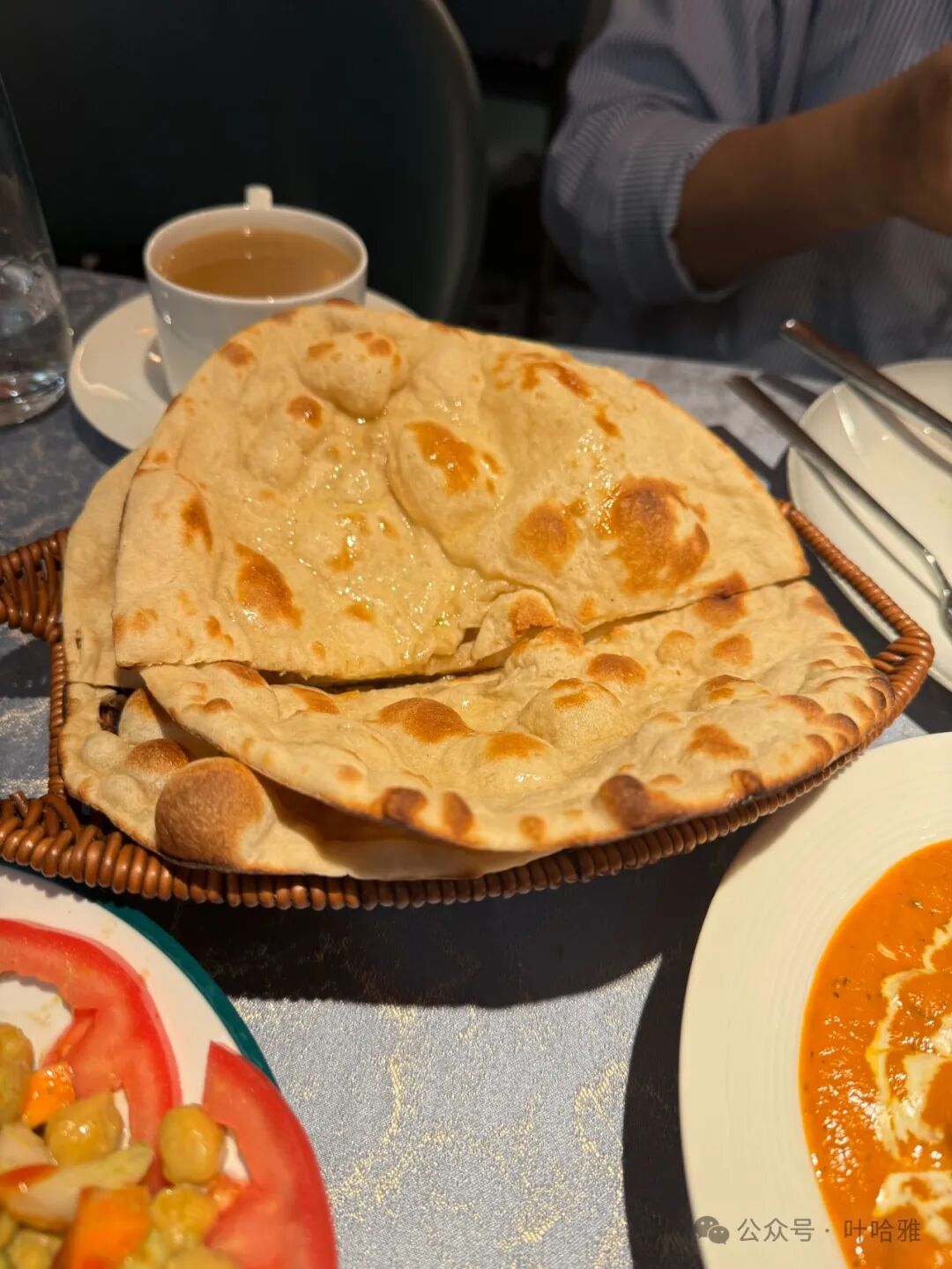
The restaurant has a great, clean atmosphere and serves all the classic traditional Indian dishes.
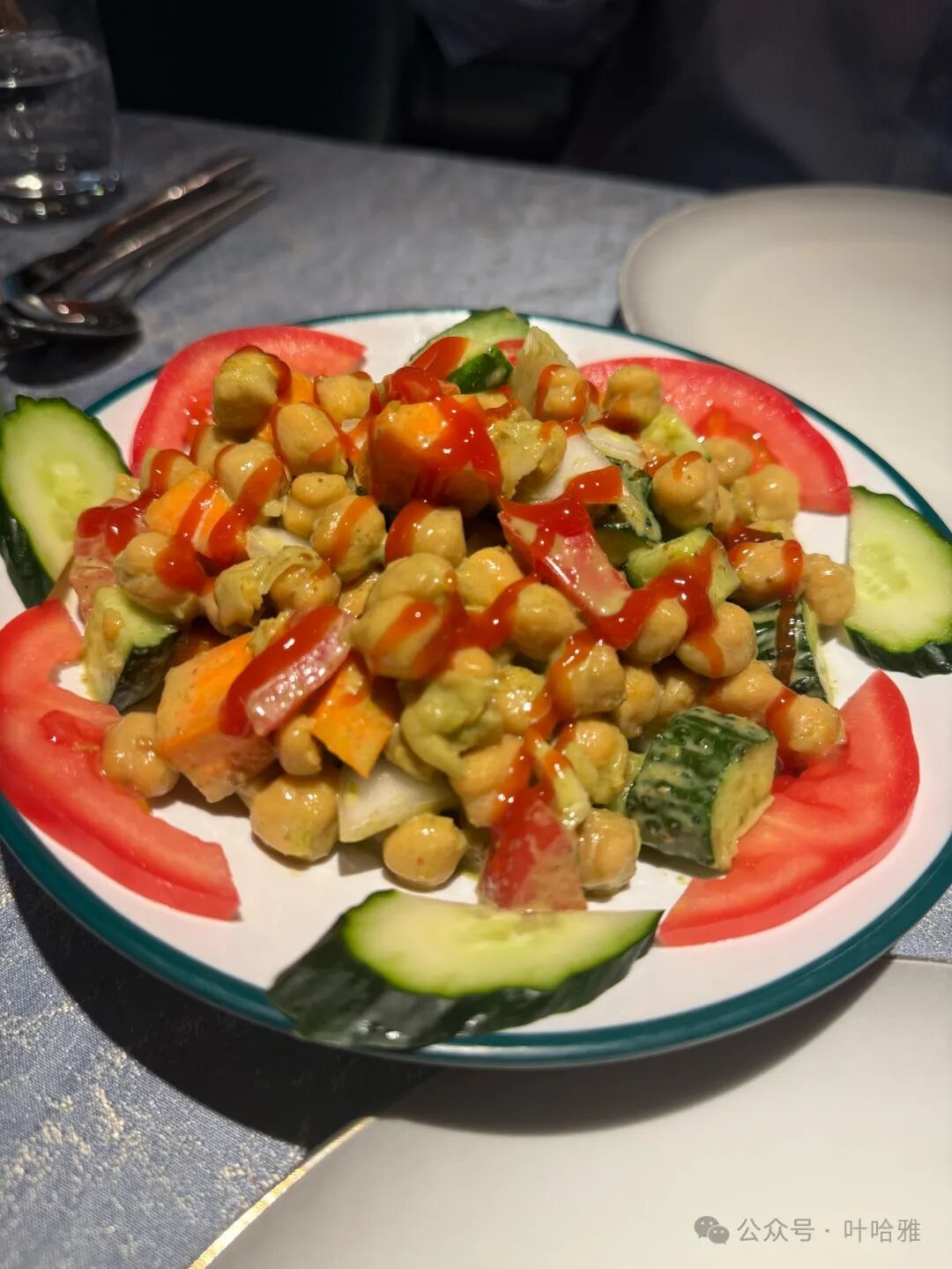
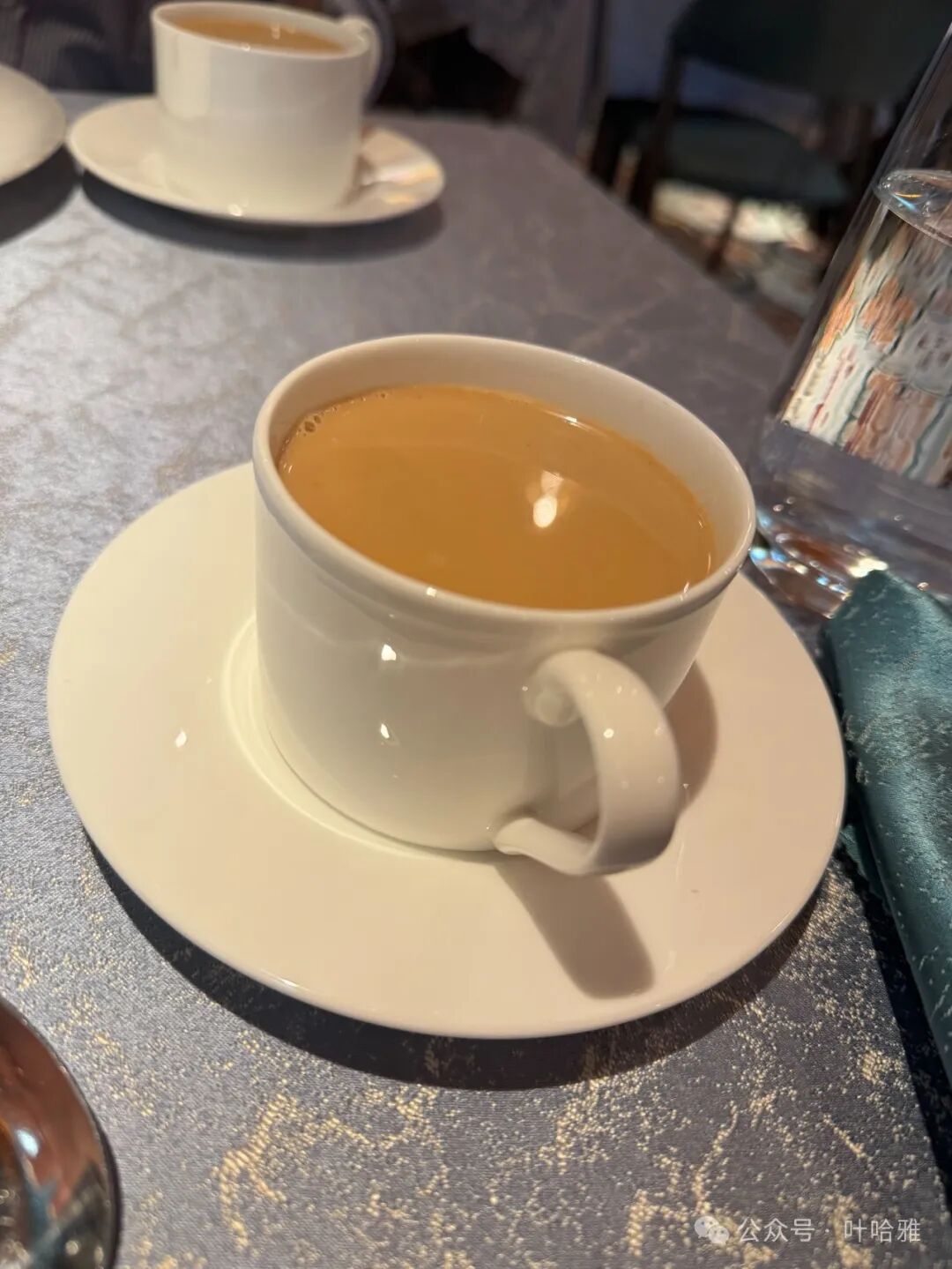
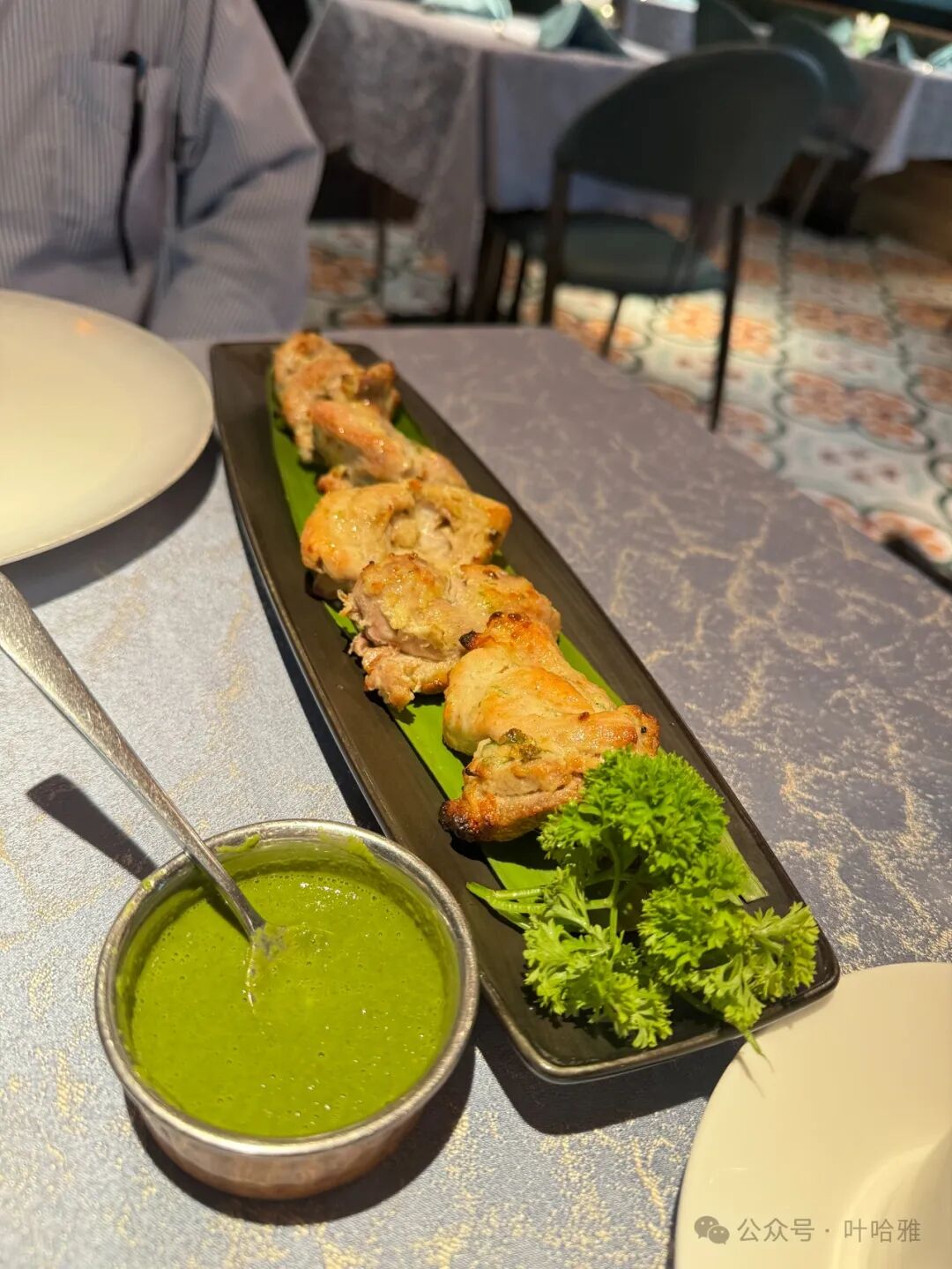
- Zanjin Xiaoyuan Barbecue
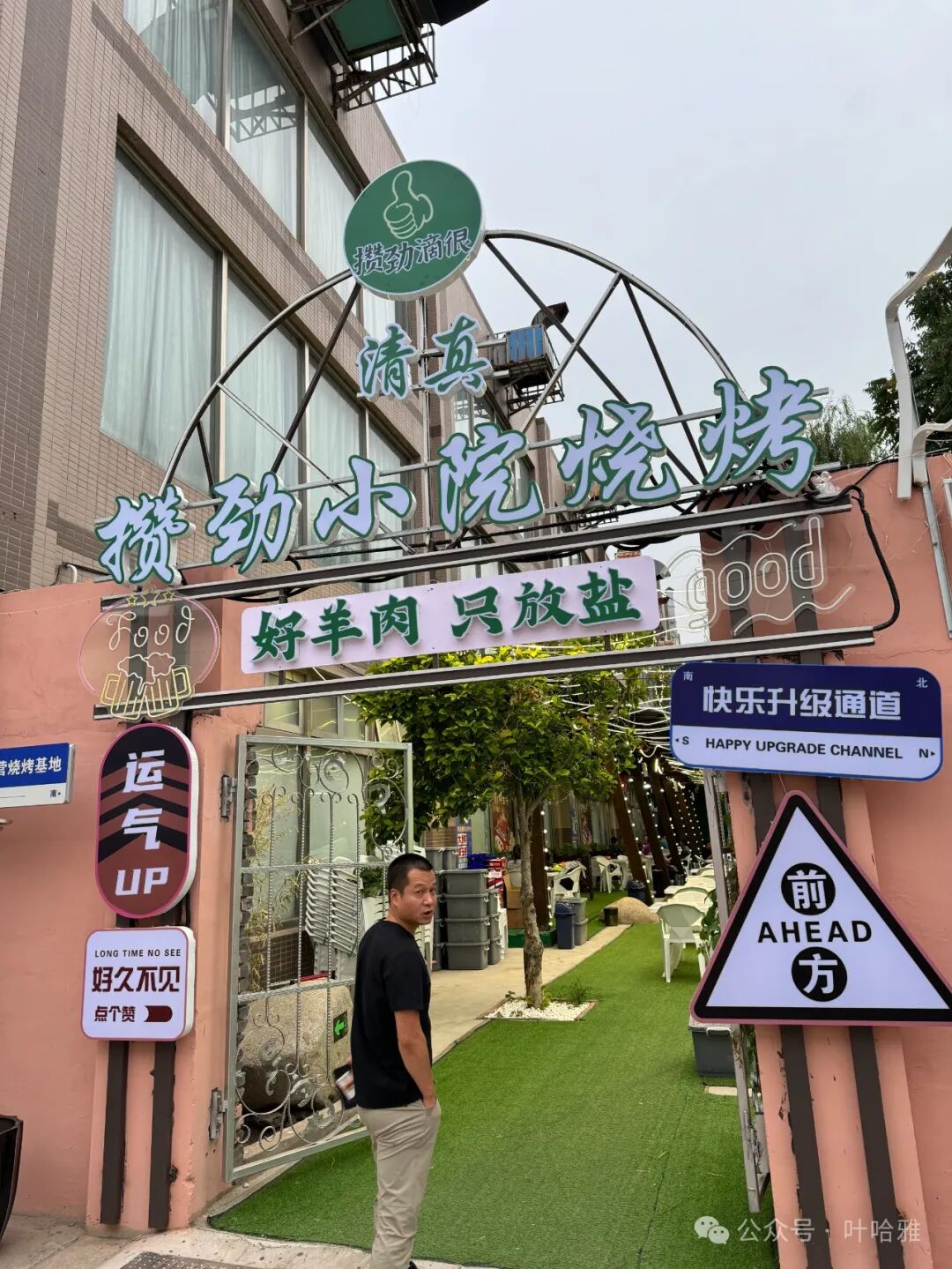
This barbecue shop in Fengtai is run by people from Gansu. It is quite spacious but a bit out of the way.
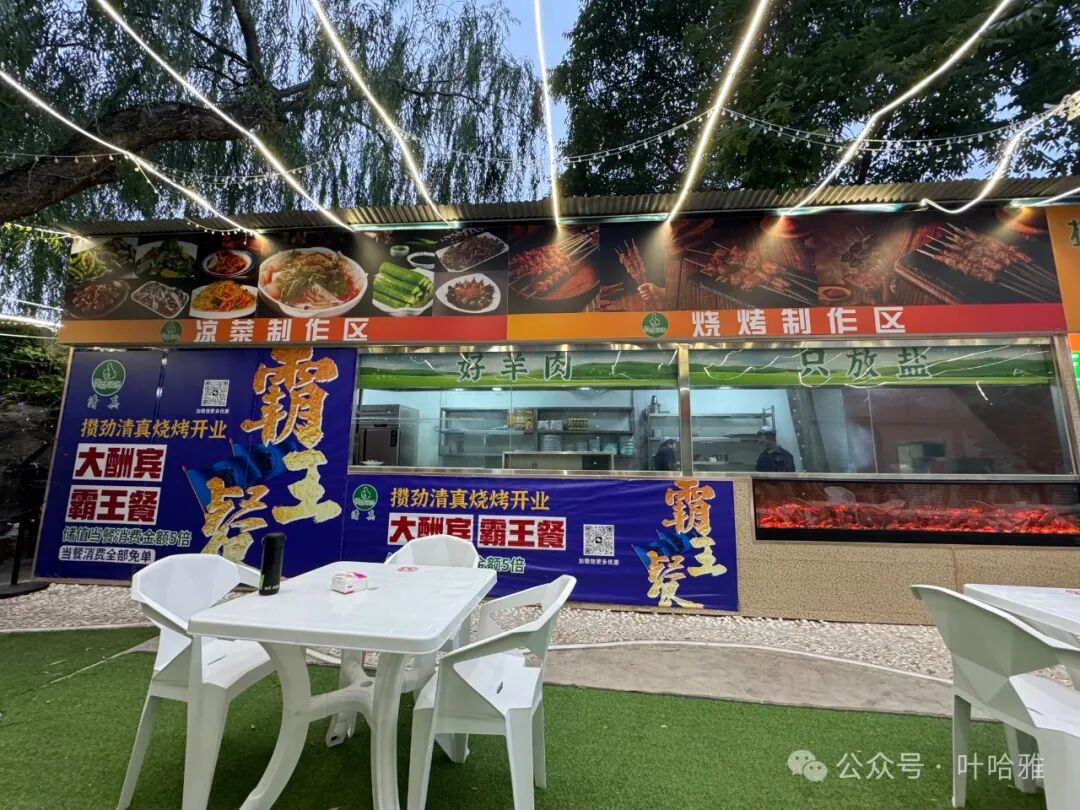
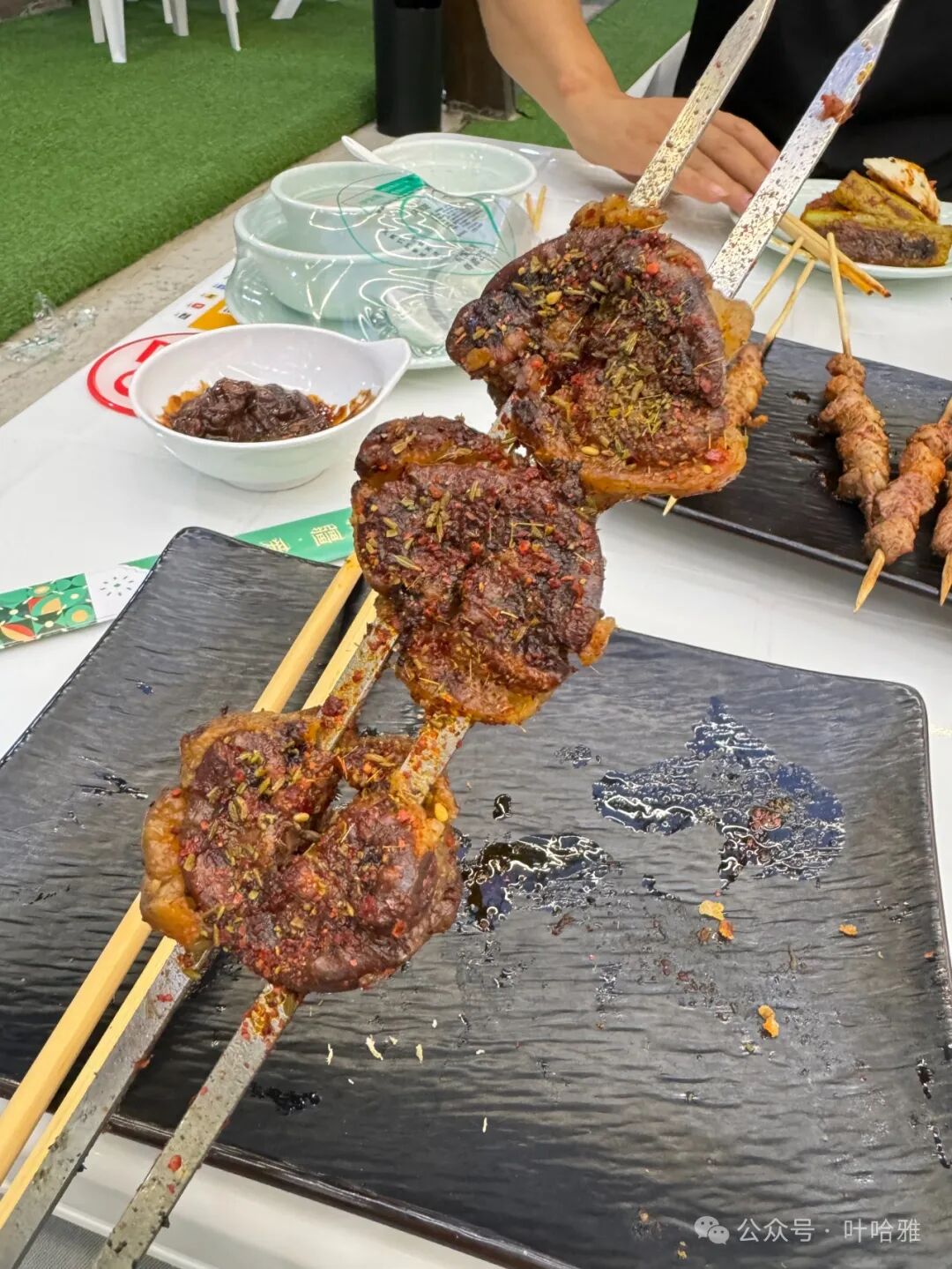
The restaurant mainly sells various barbecue skewers and some traditional snacks from Northwest China.
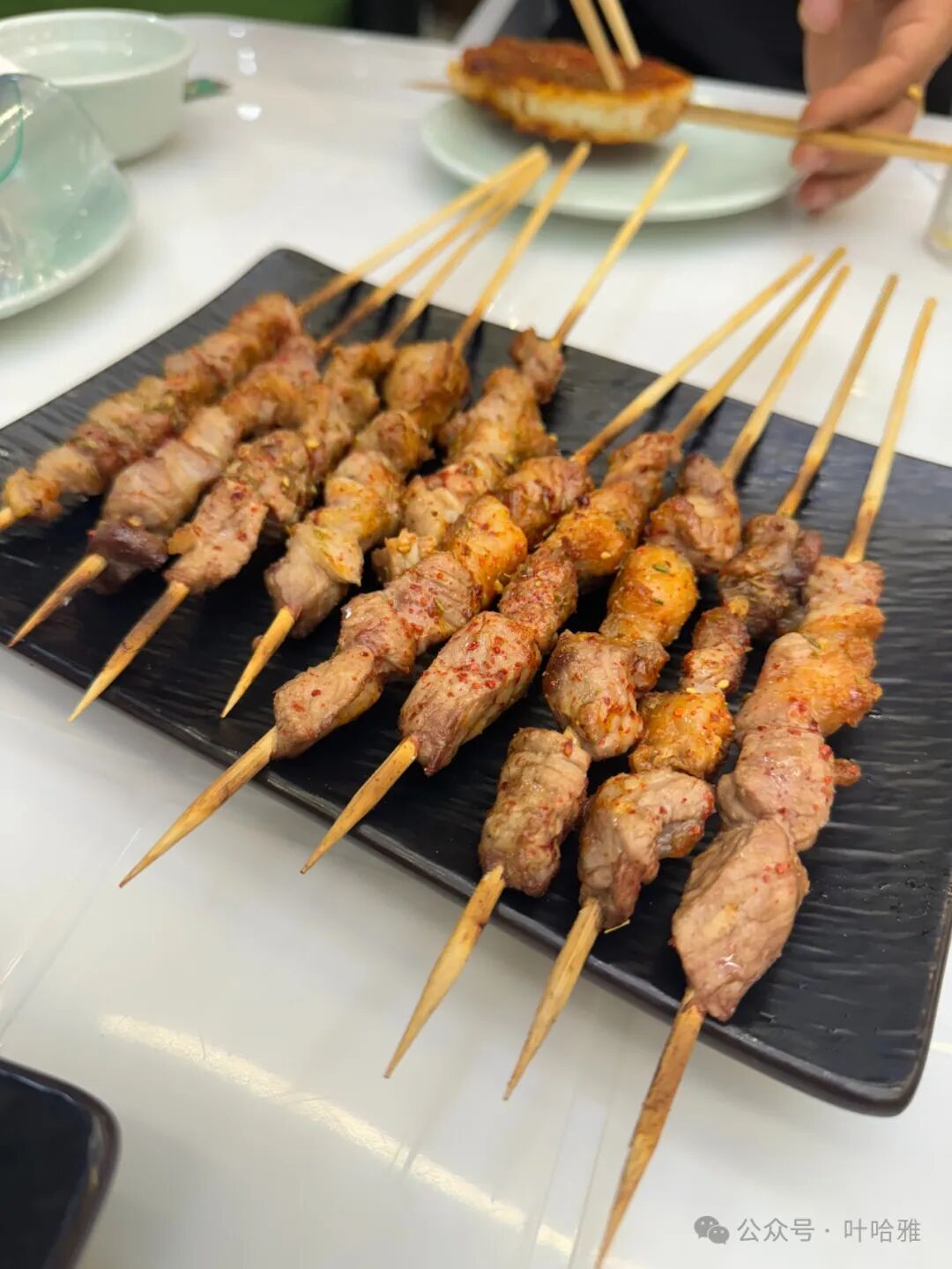
The skewers are charcoal-grilled and taste pretty good.
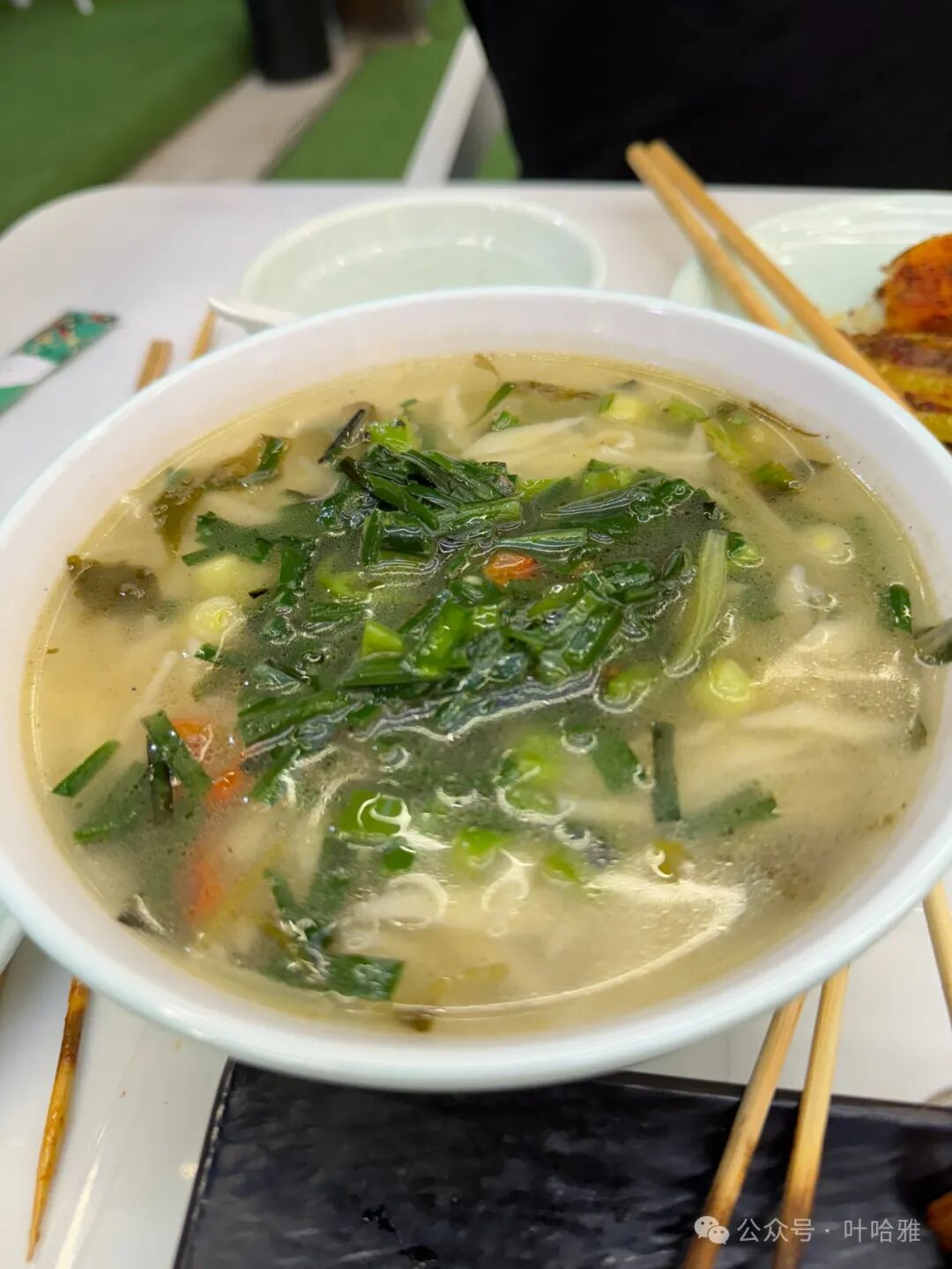
They also have fermented vegetable noodles (jiangshuimian) that Northwest people love. This version is served hot, but I prefer the cold version.
- Nazilan Jiangwei
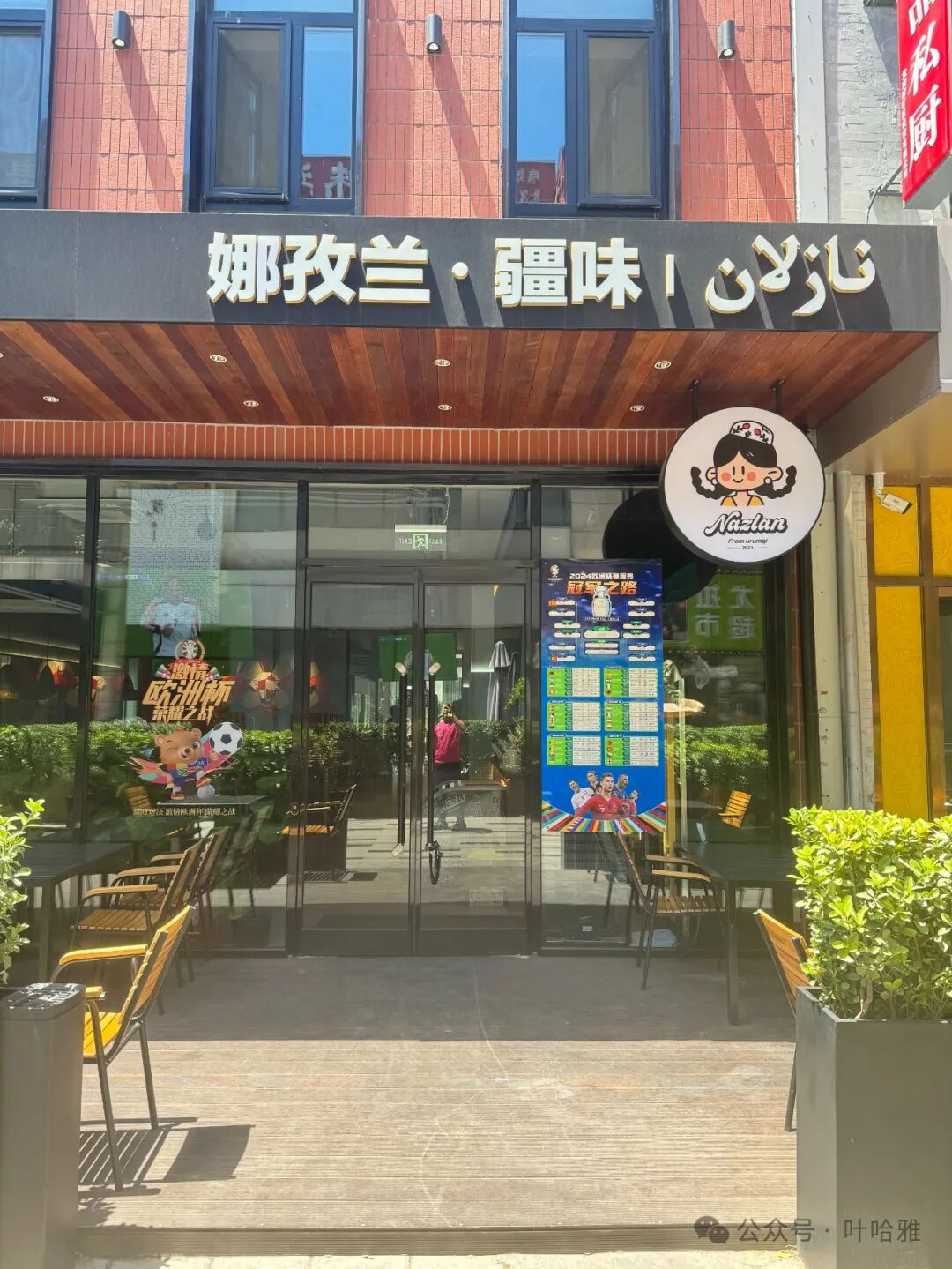
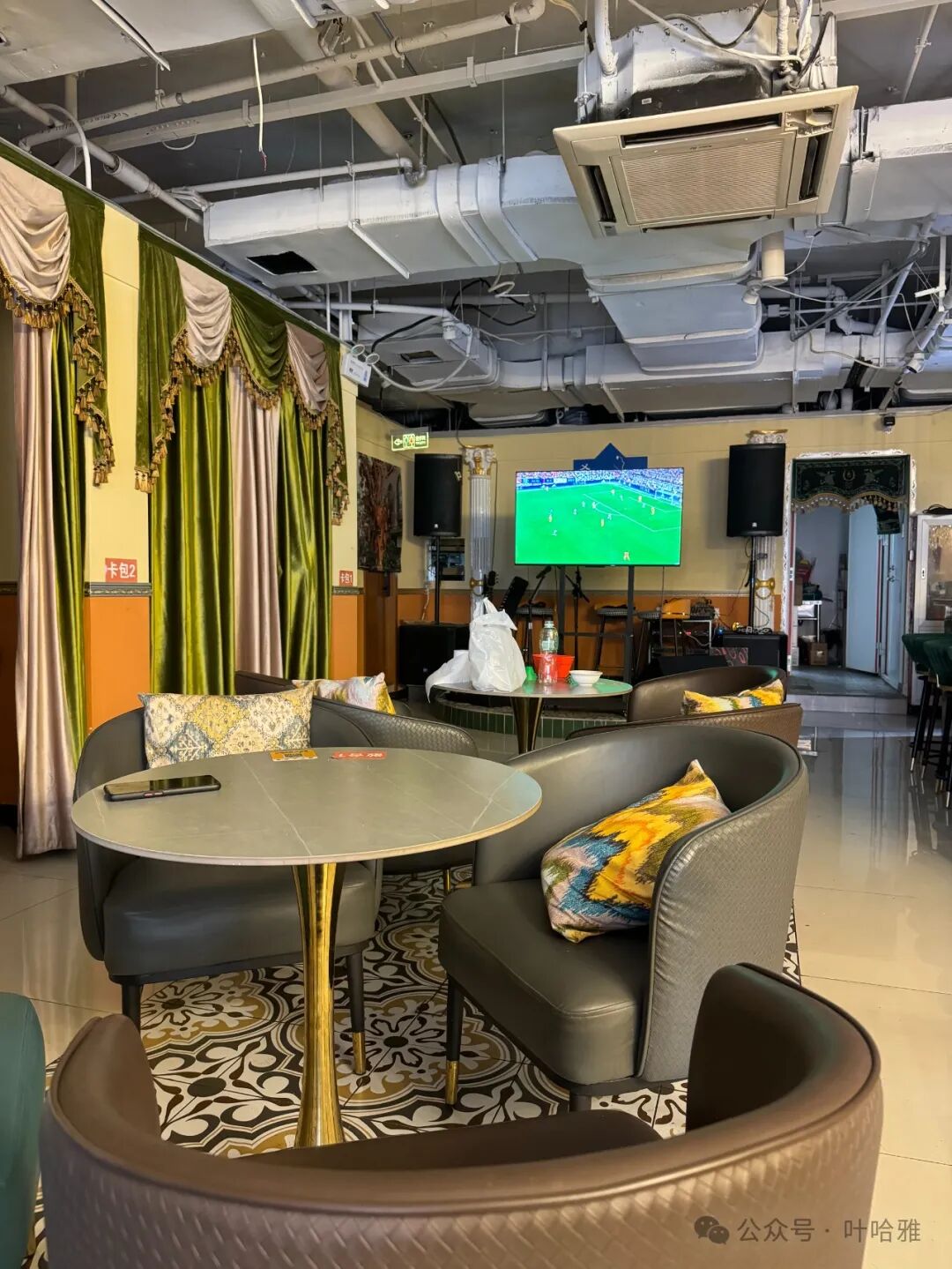
There is a newly opened Xinjiang restaurant on Shenlu Street near Chaoyangmen.
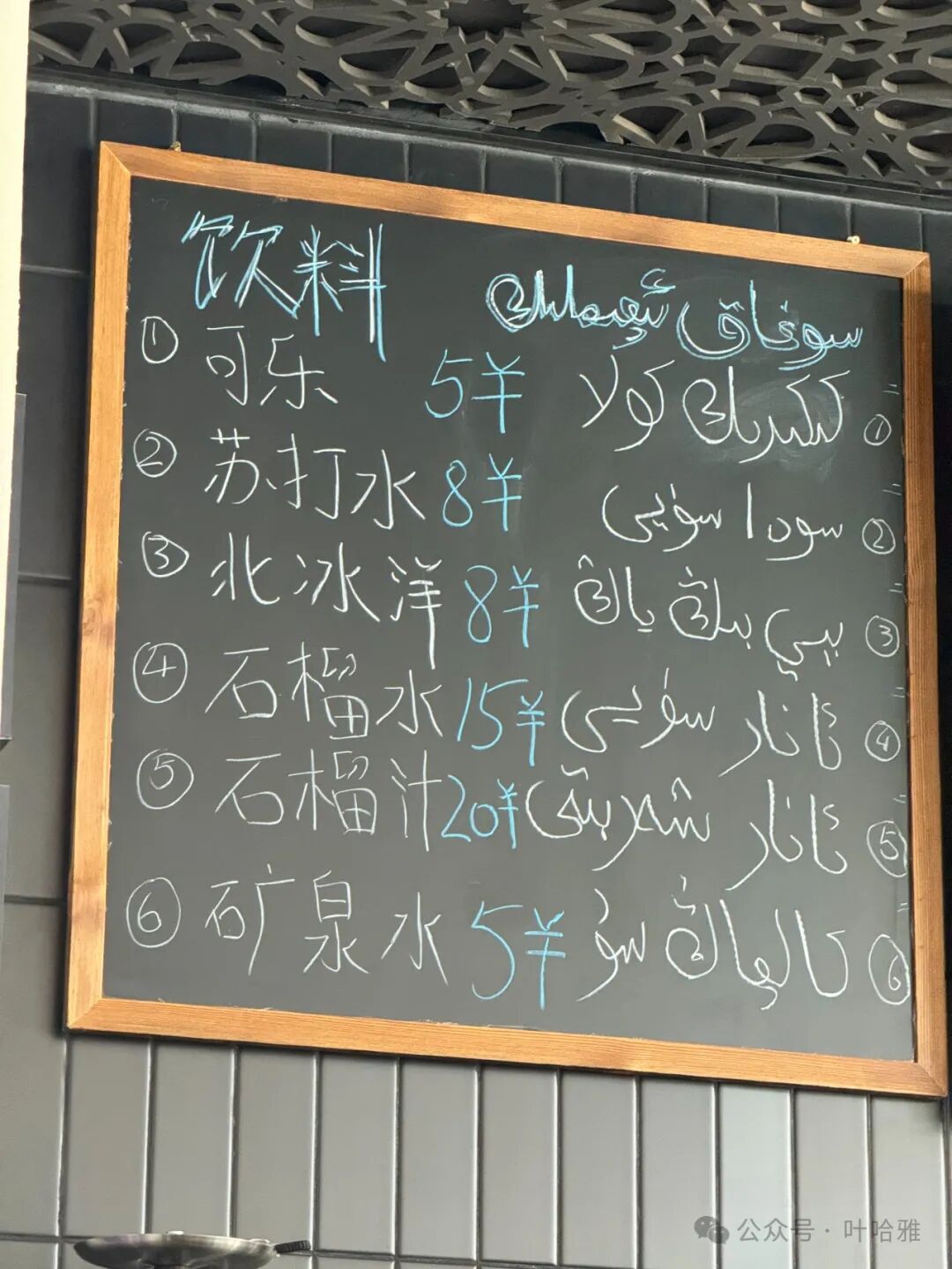
They have a menu written in the Uyghur language.
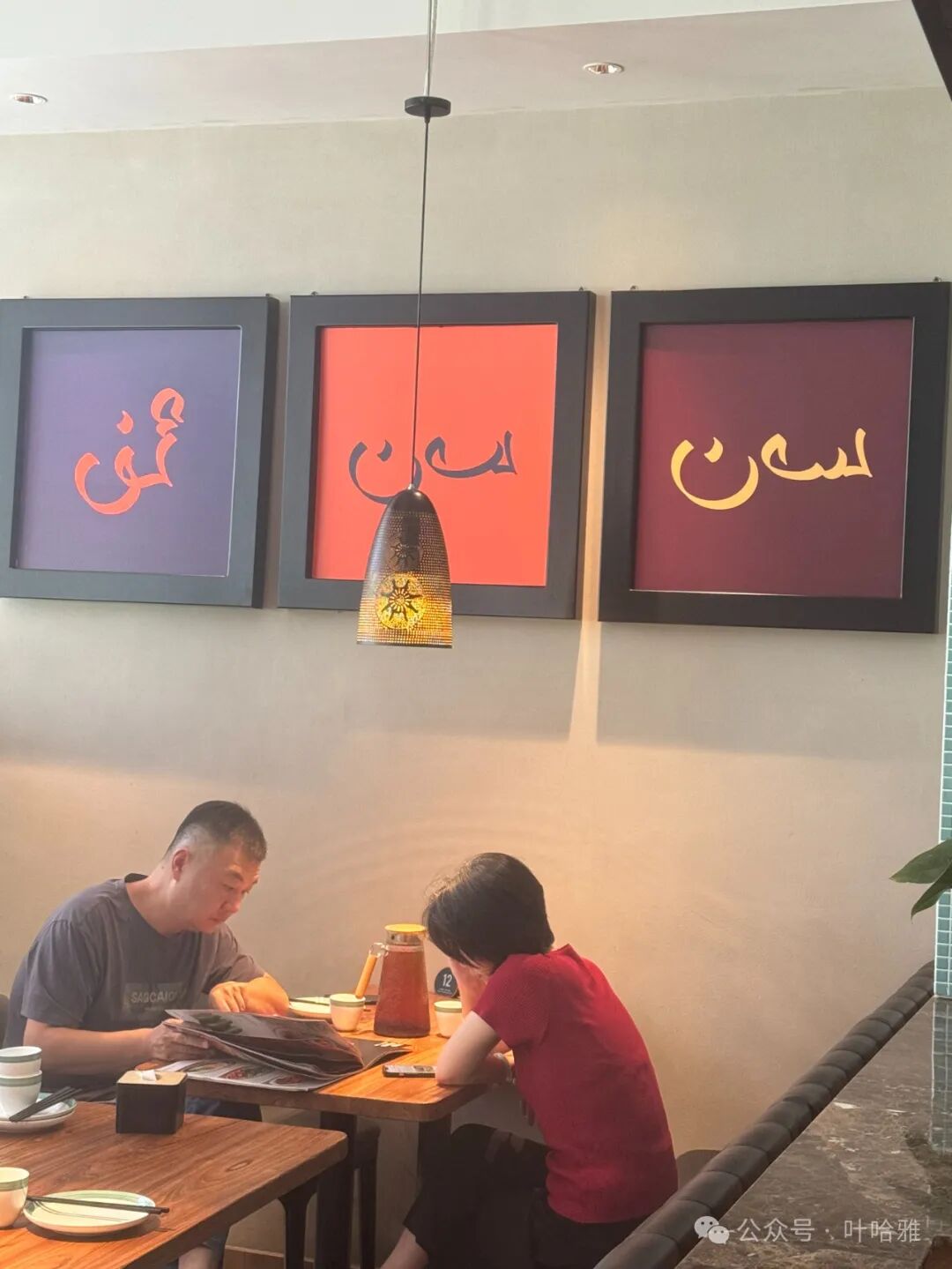
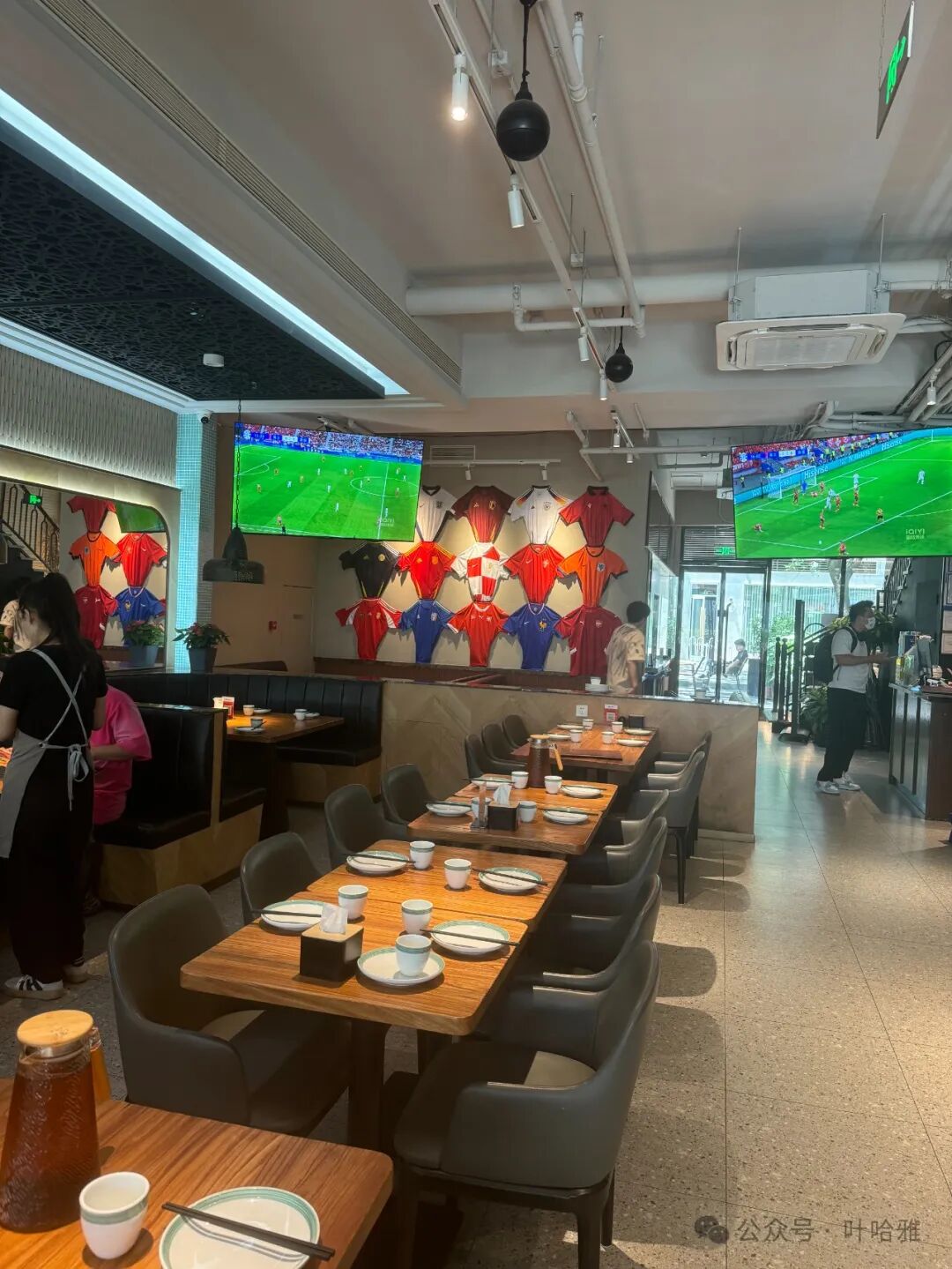
Soccer is really popular in Xinjiang, and the restaurant uses a soccer theme.
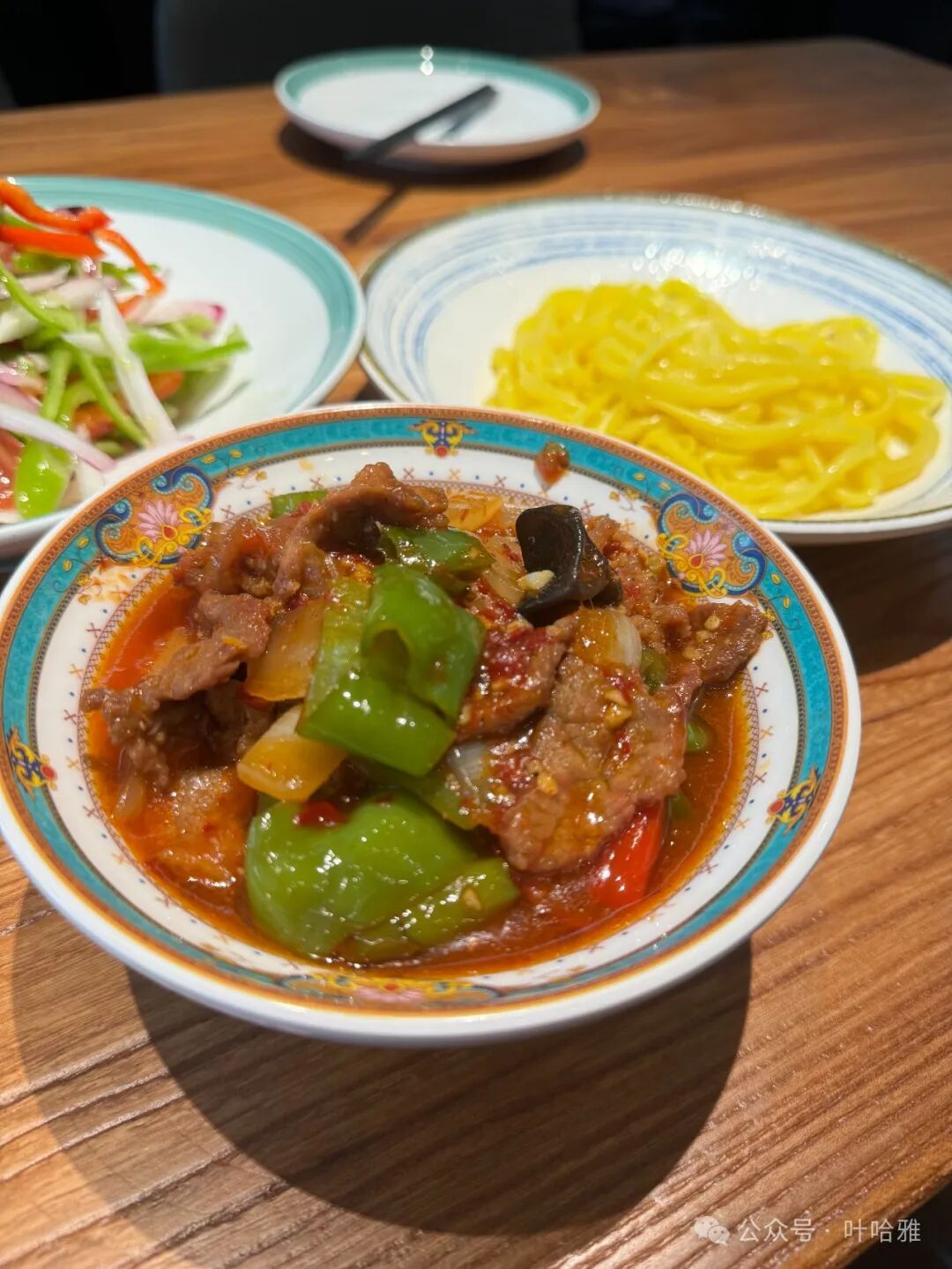
Nazilan’s specialty is mixed noodles made with yellow noodles (huangmian), which have a nice chewy texture.
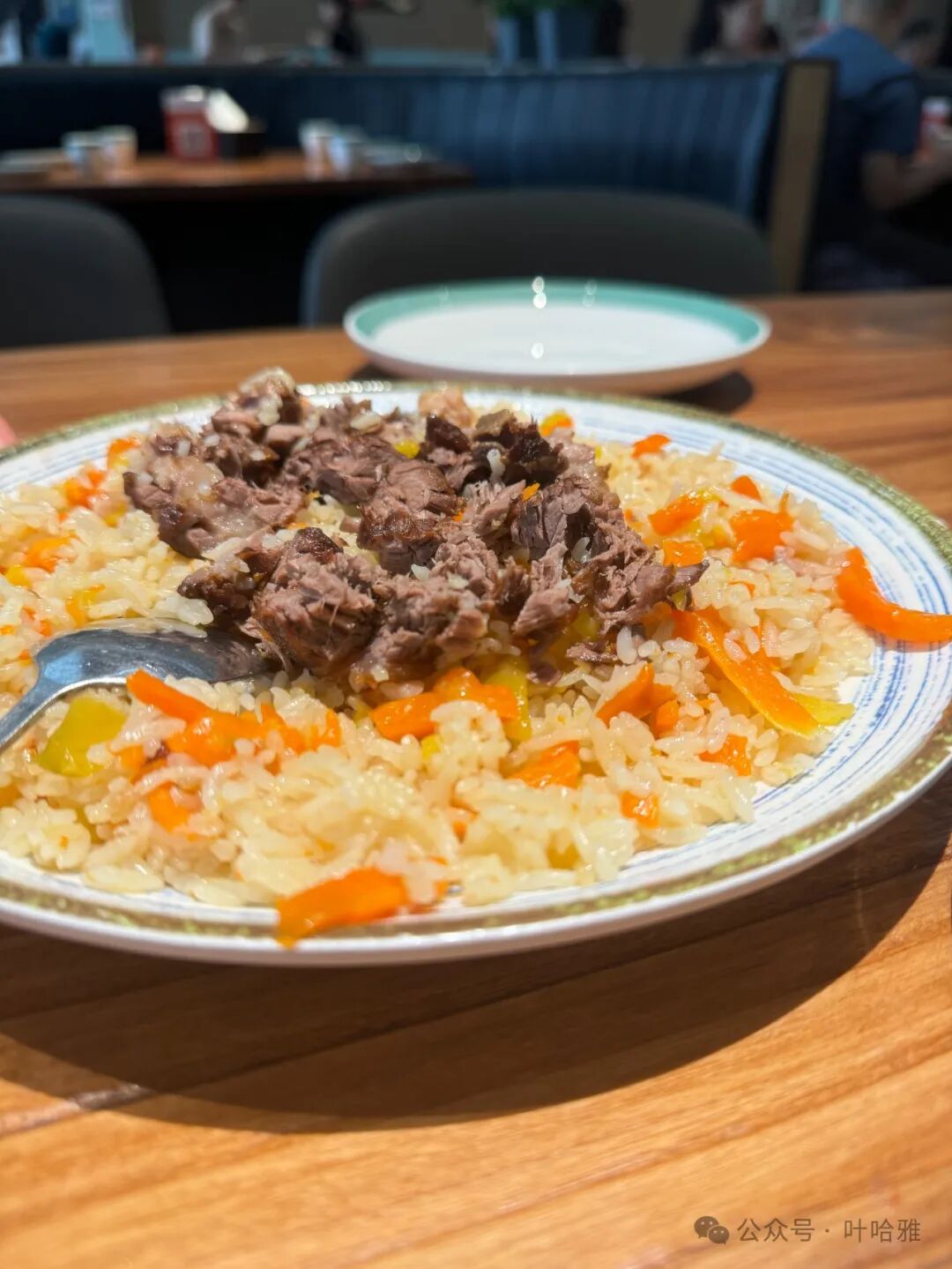
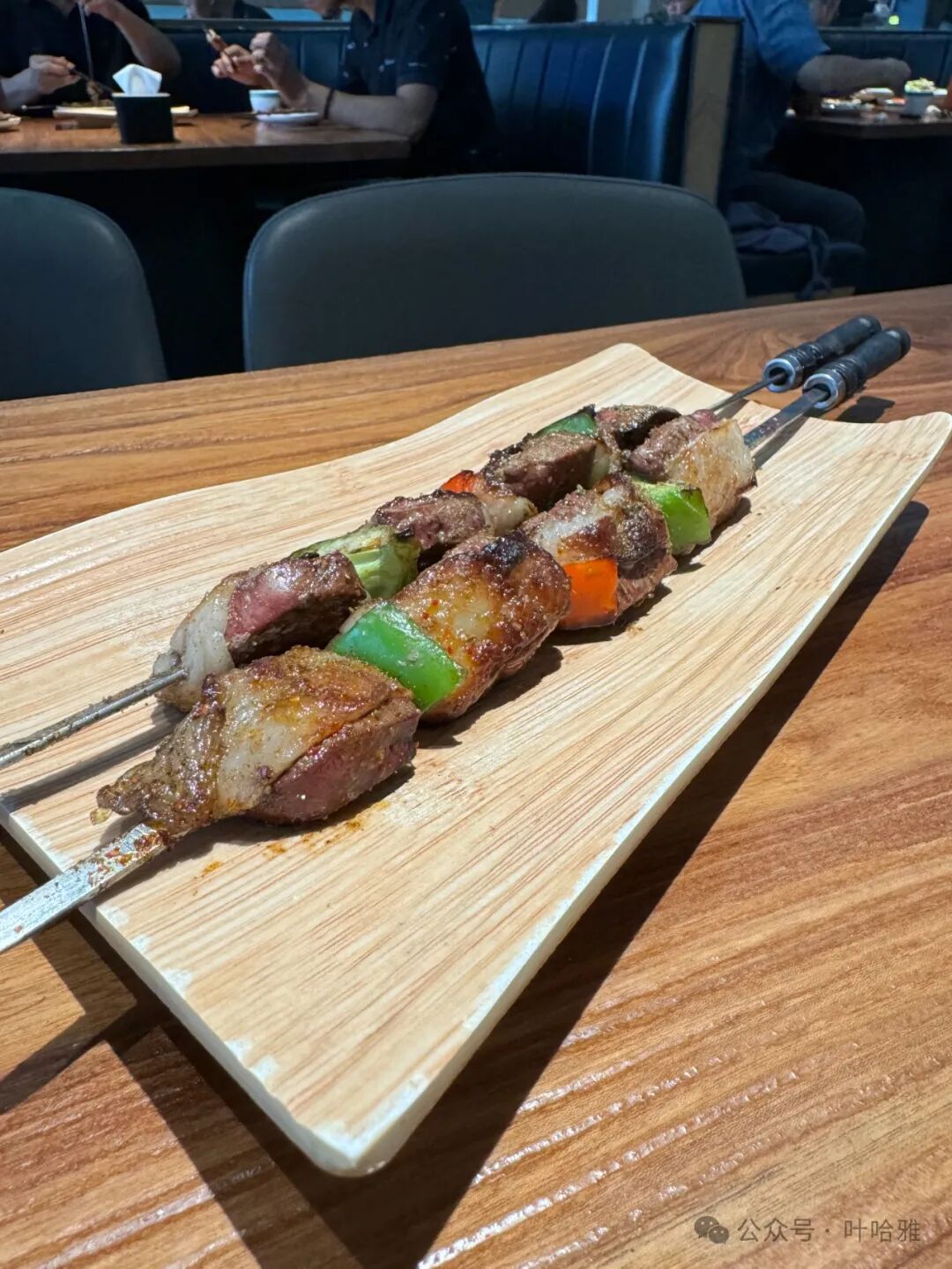
The pilaf (zhuafan) and grilled meat are also excellent.
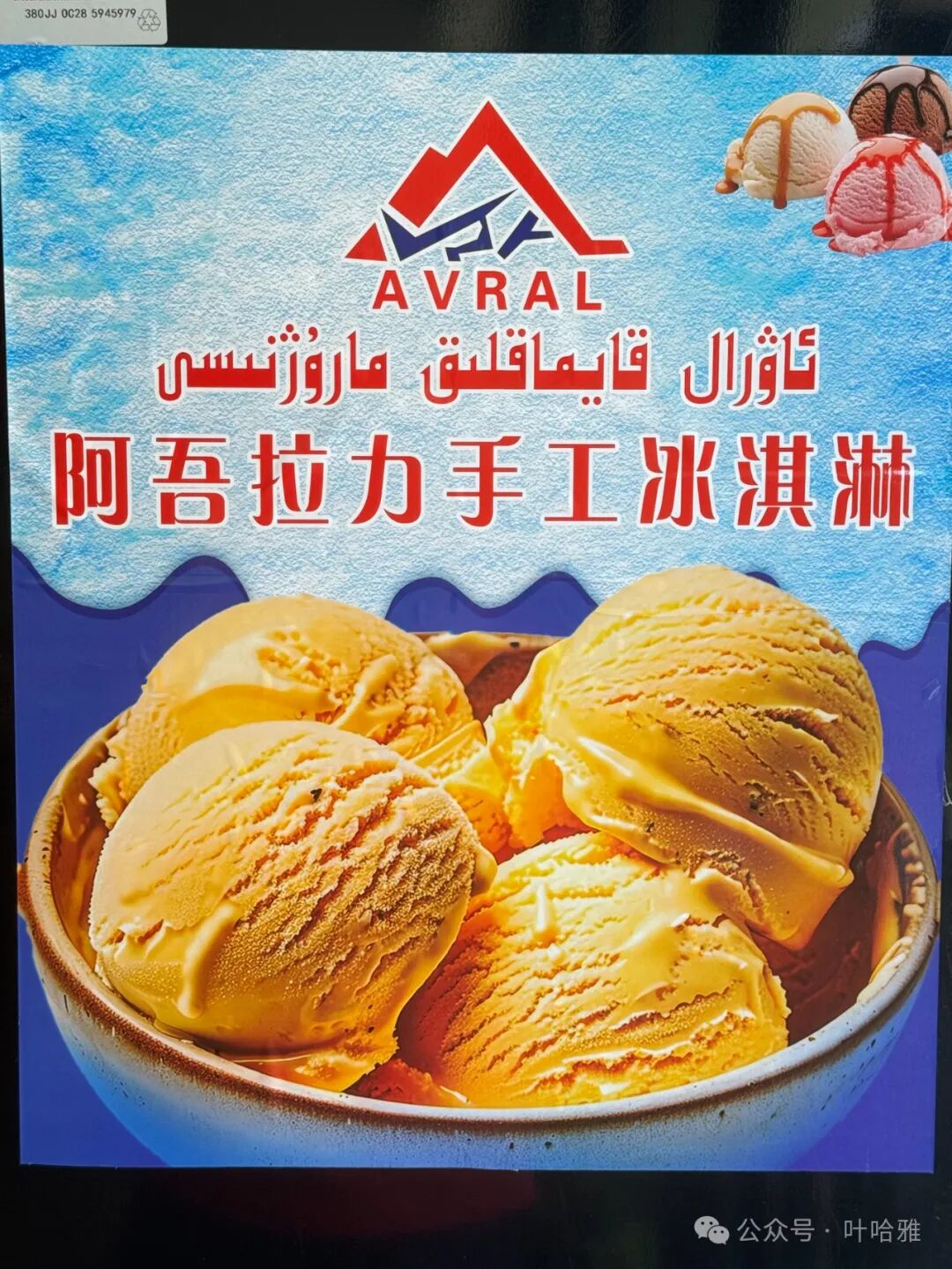
Another highlight at Nazilan is the handmade Xinjiang-style ice cream, which has a very rich milky flavor.
- Wenzhutang
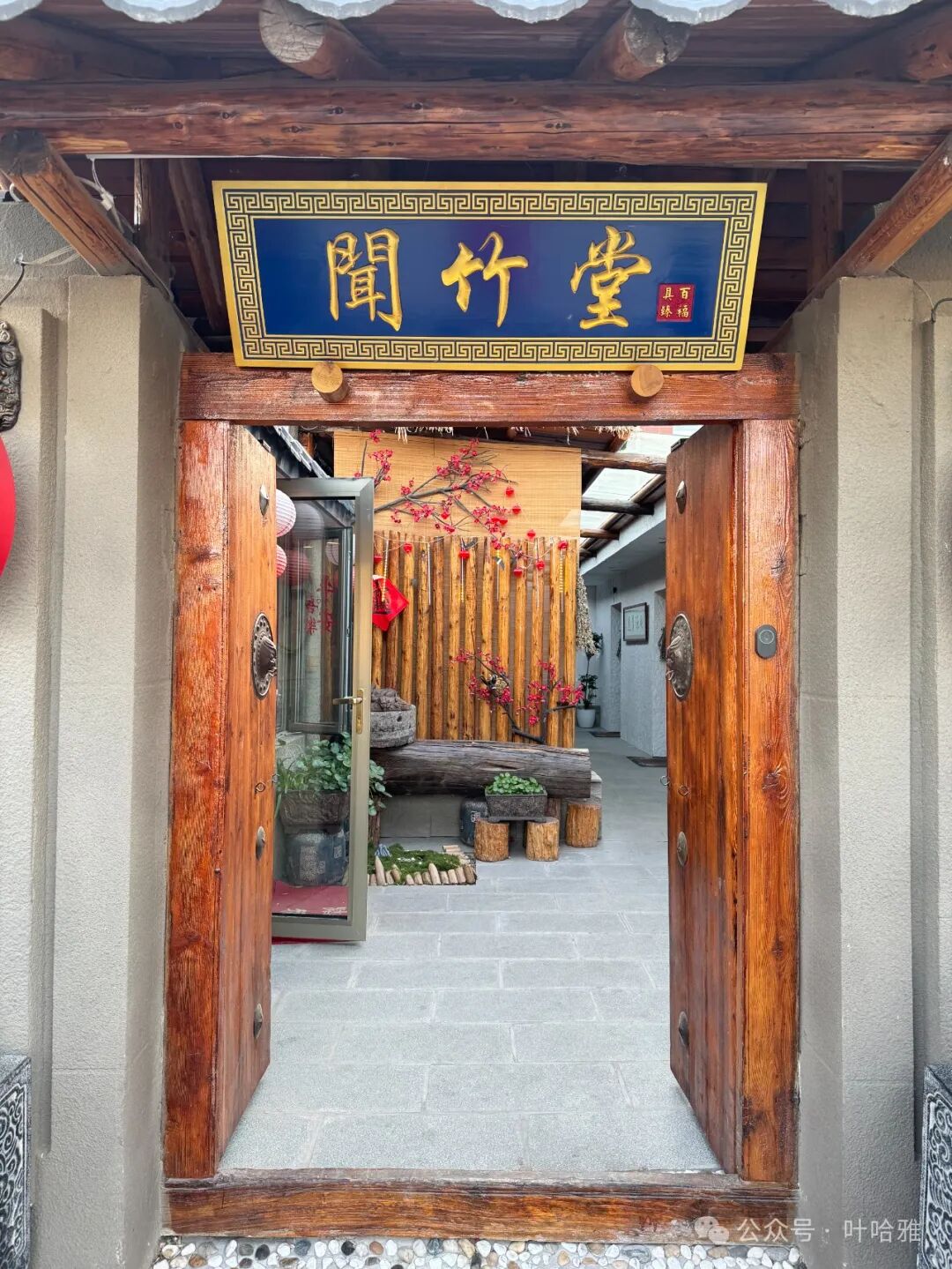
This private halal restaurant in Tongzhou District has been open for less than six months and serves both Beijing-style dishes and French cuisine.
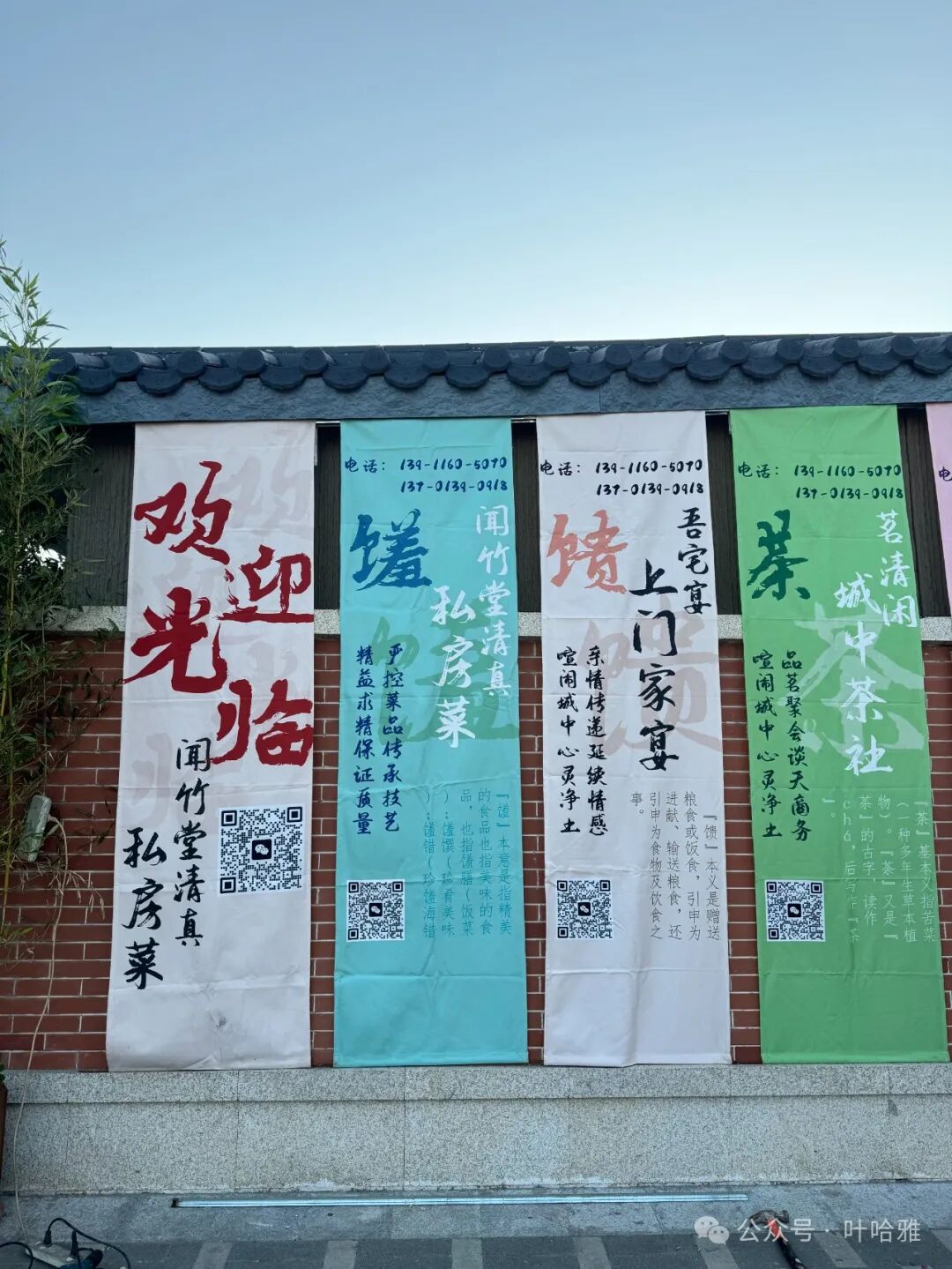
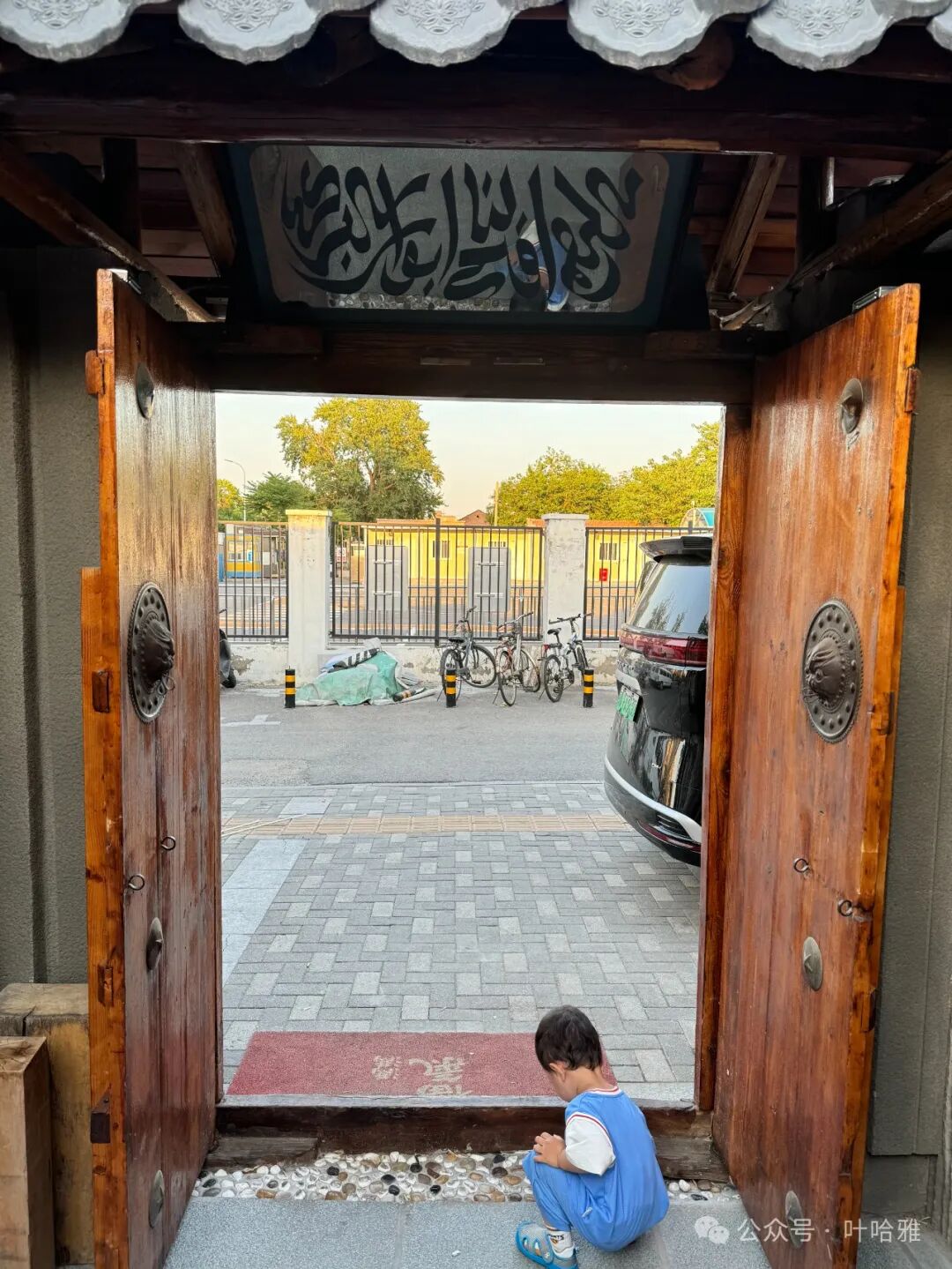
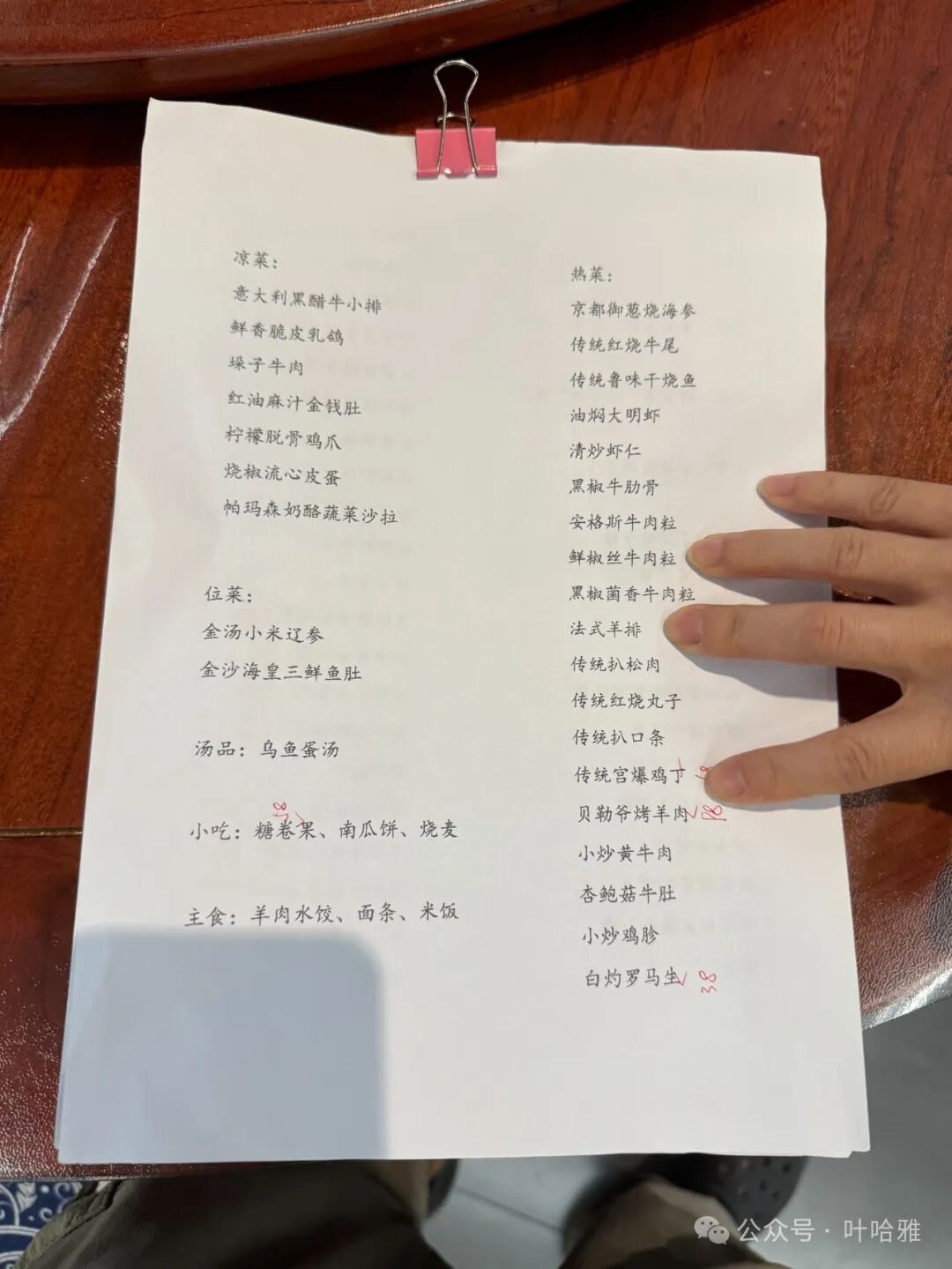
The restaurant uses a temporary menu, and some dishes require advance booking. Since we arrived without a reservation, we did not have many options.
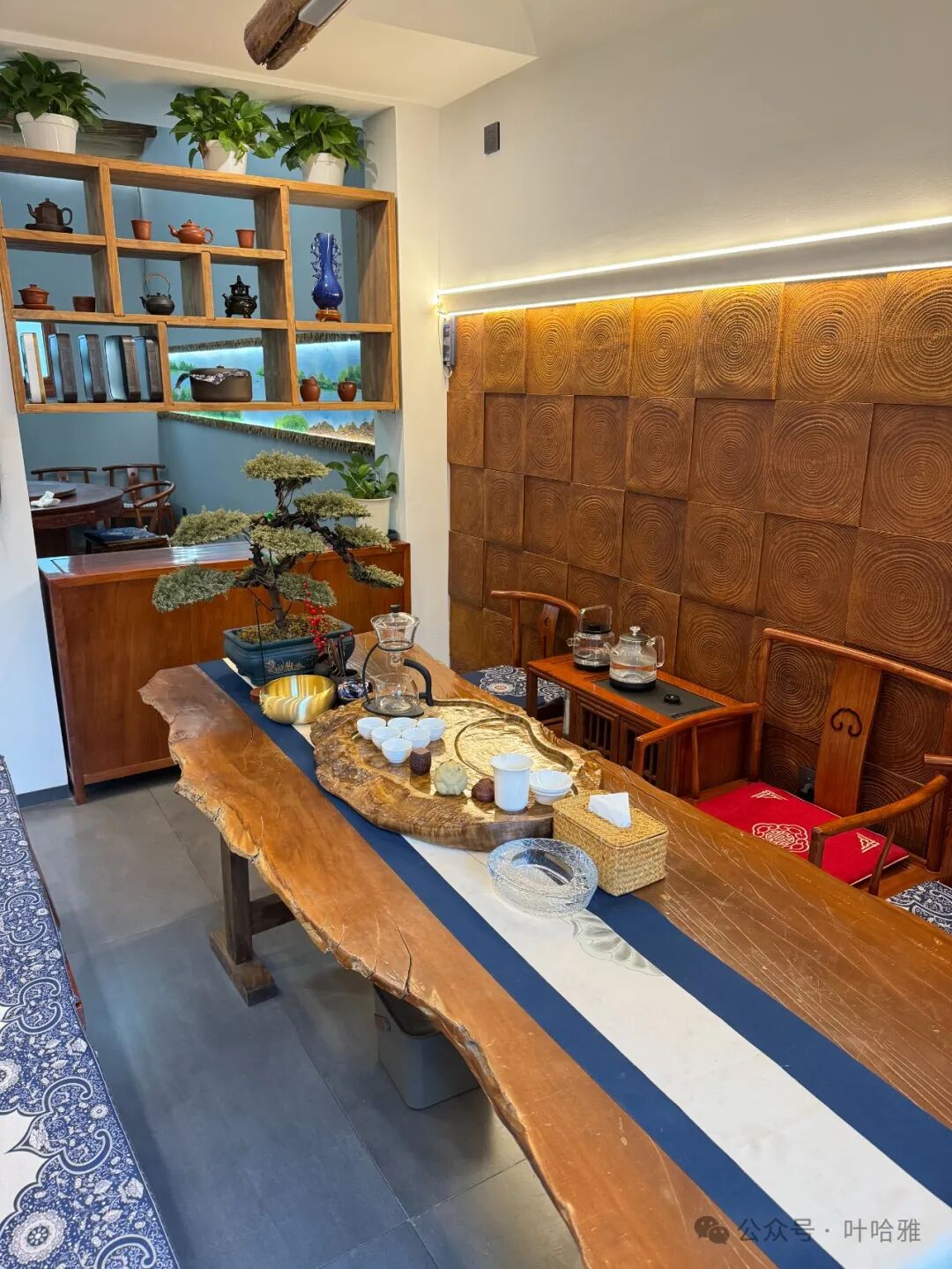
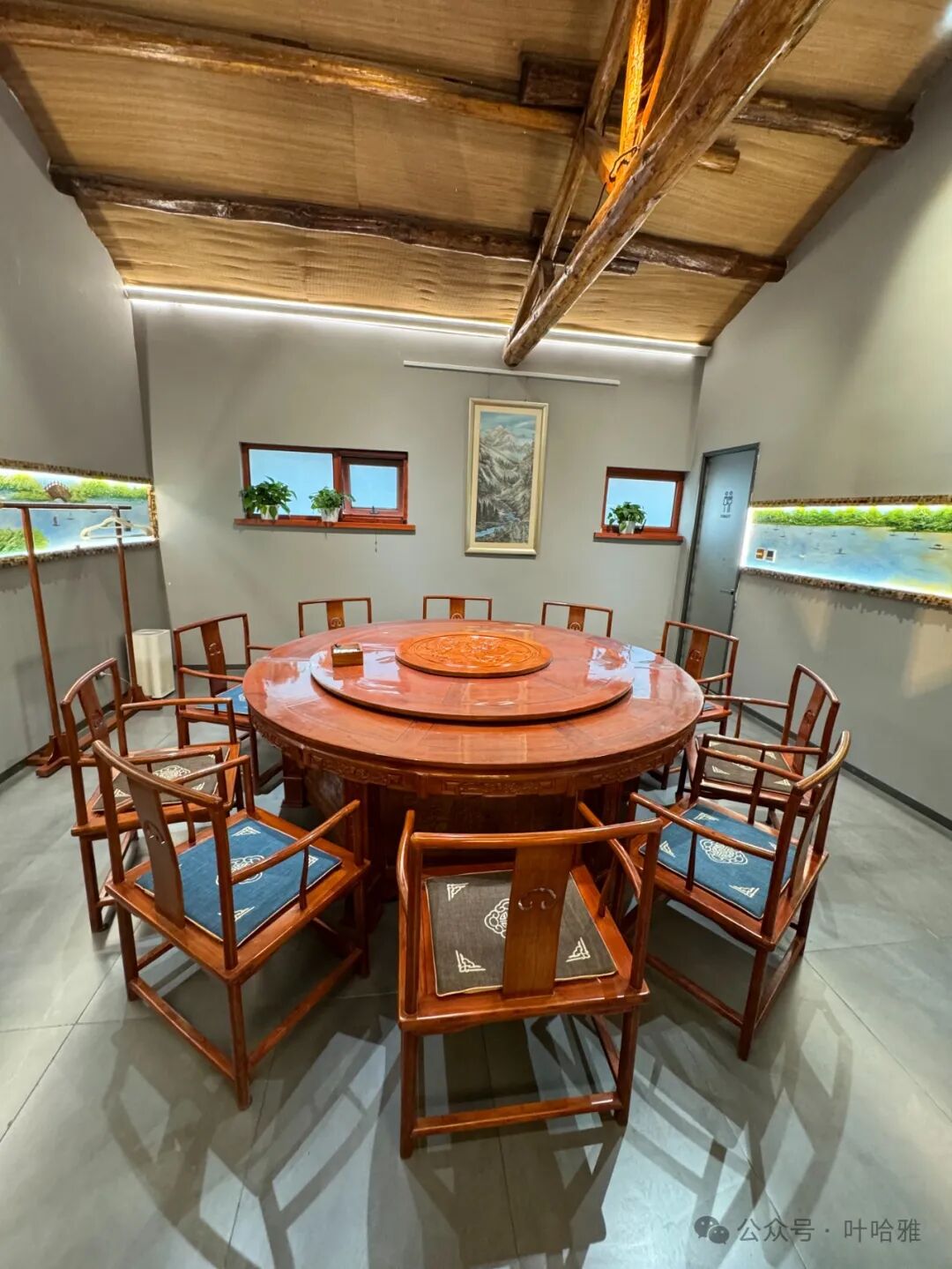
The restaurant consists entirely of small private rooms, making the environment very intimate and perfect for chatting.
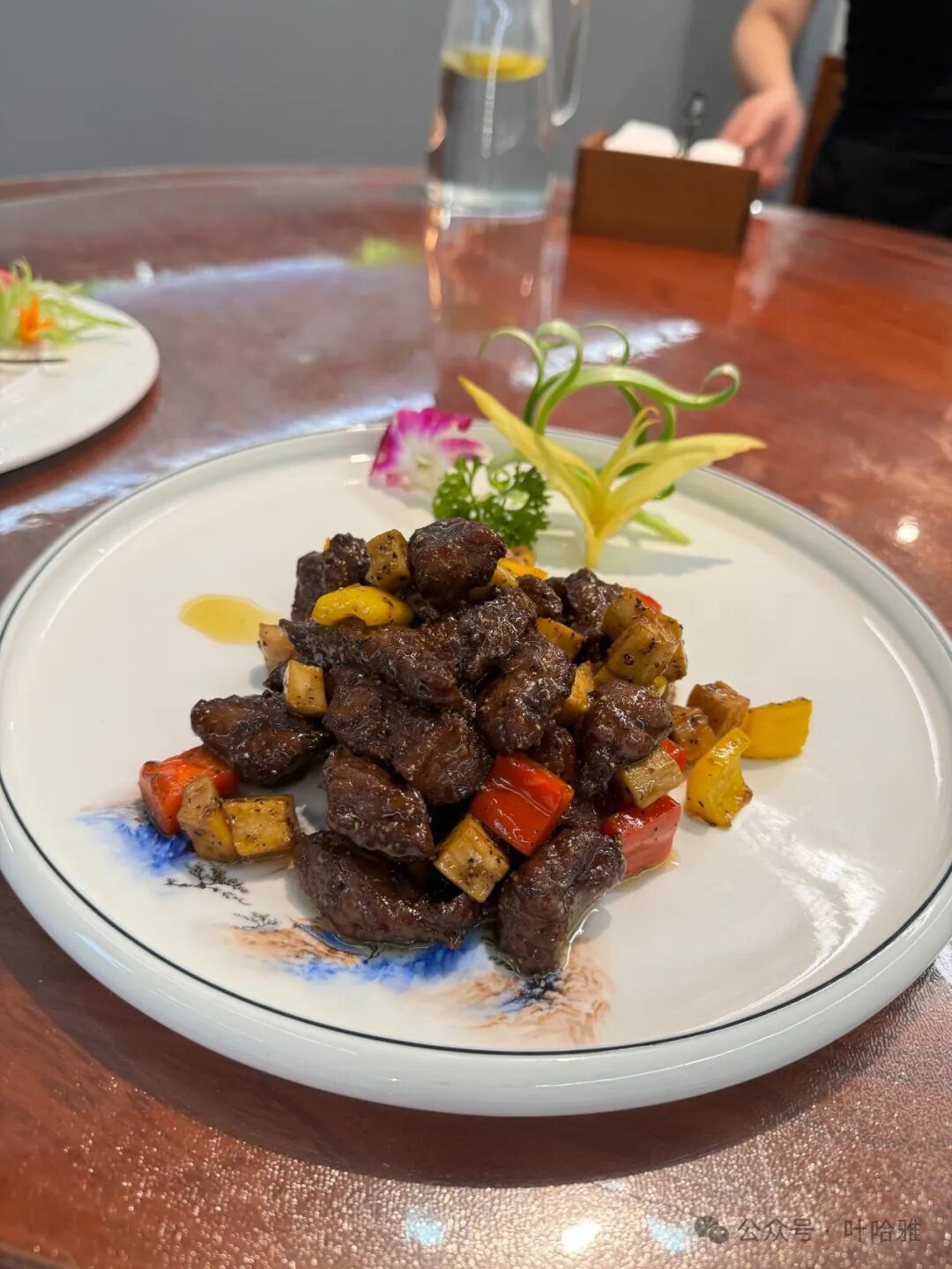
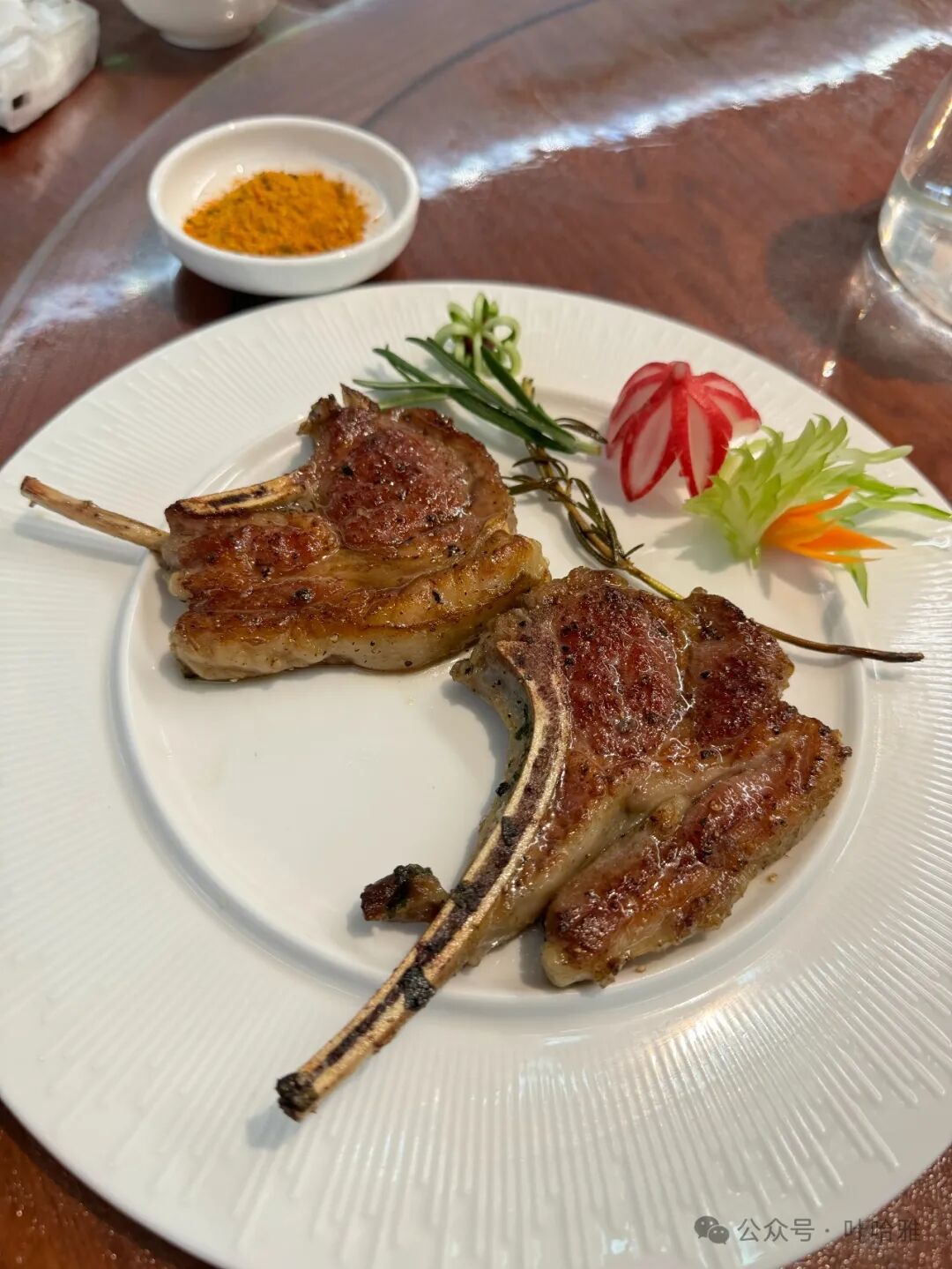
We ordered the Australian wagyu beef cubes and the pan-seared French-style lamb chops, both of which tasted great.
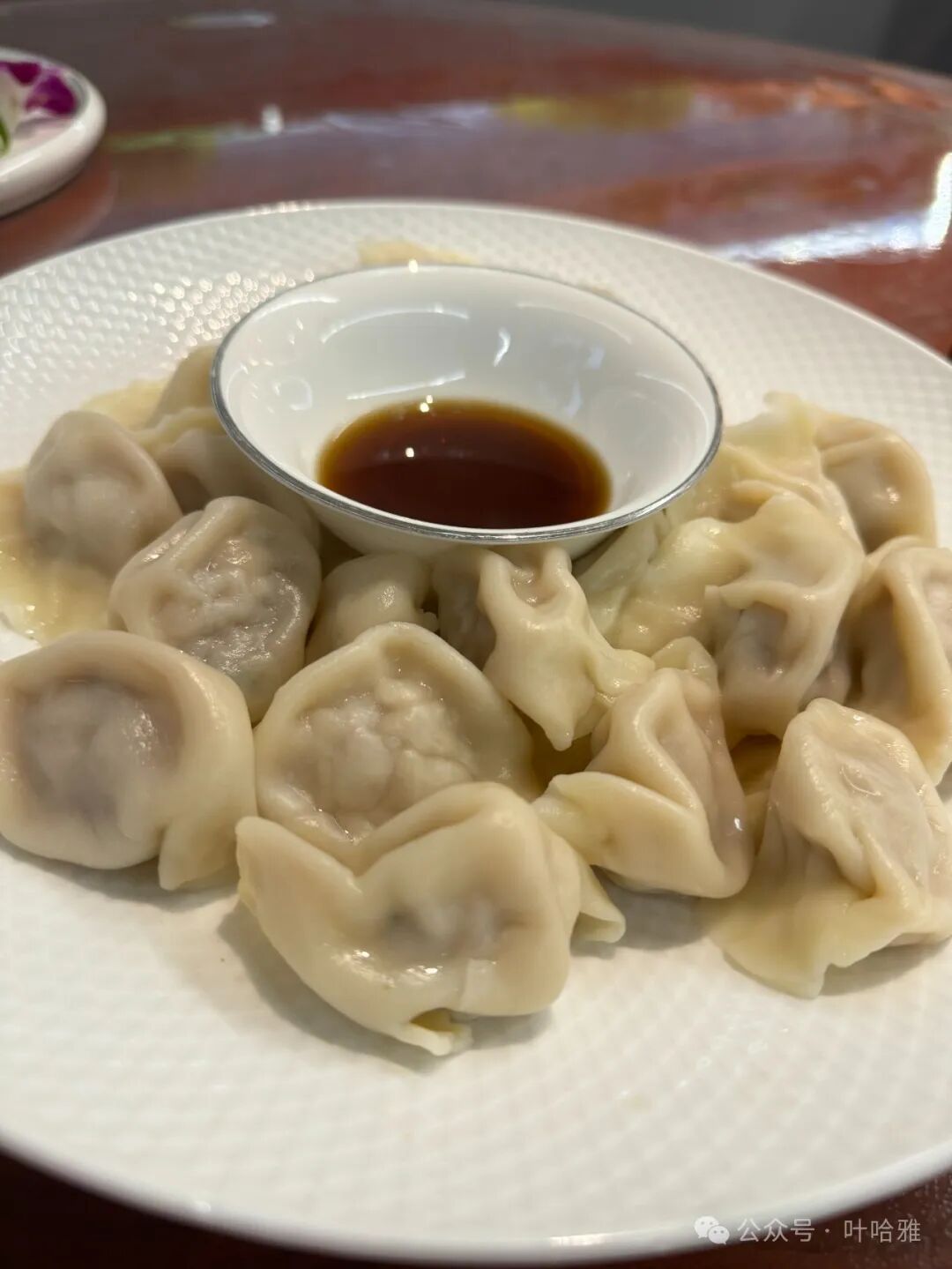
They make their own dumplings by hand, and they are especially delicious.
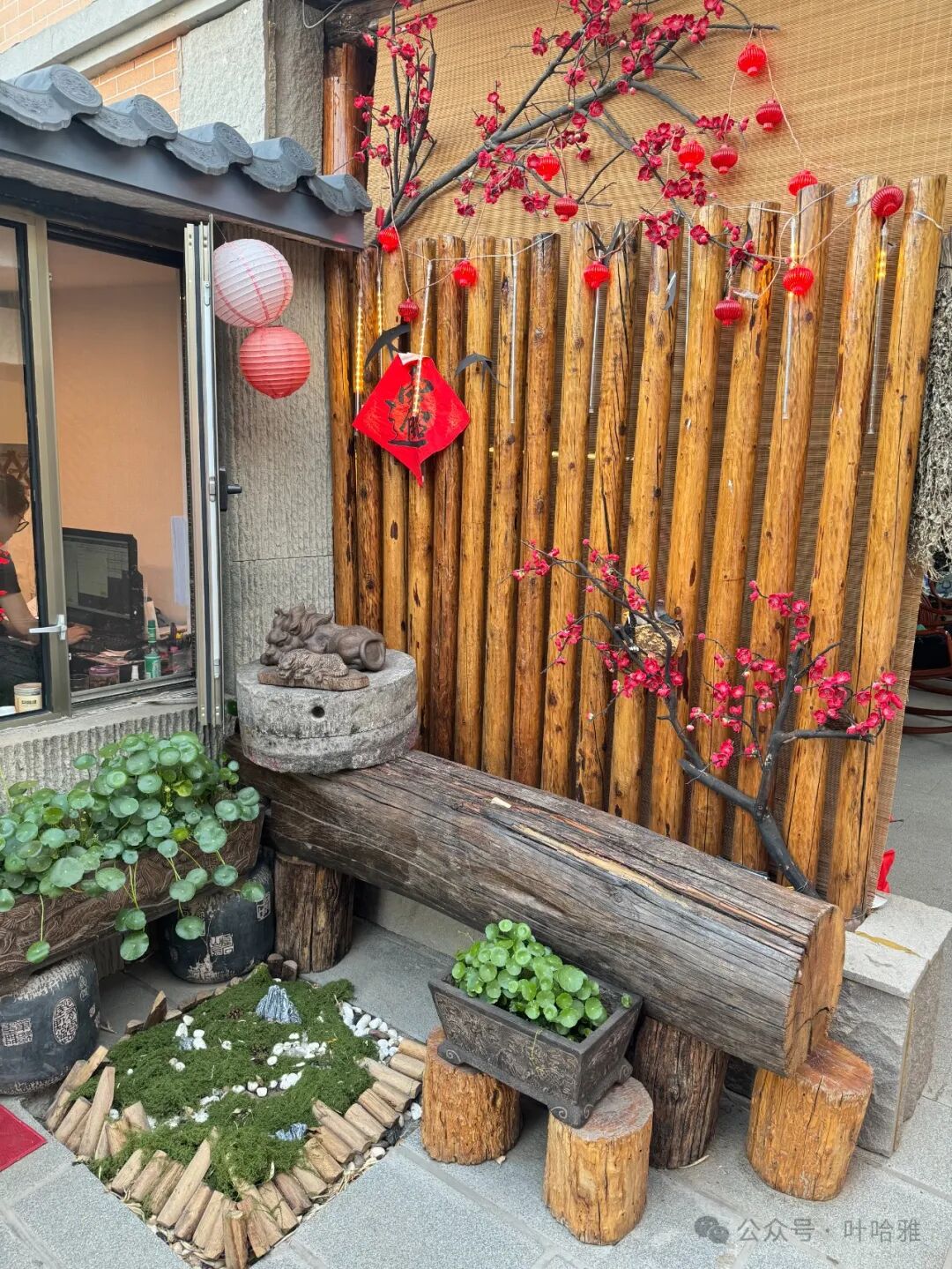
Parking is difficult in the old town of Tongzhou, but the restaurant provides free parking spaces right in front of the entrance.
- Xiaoma Halal Steamed Bun Shop
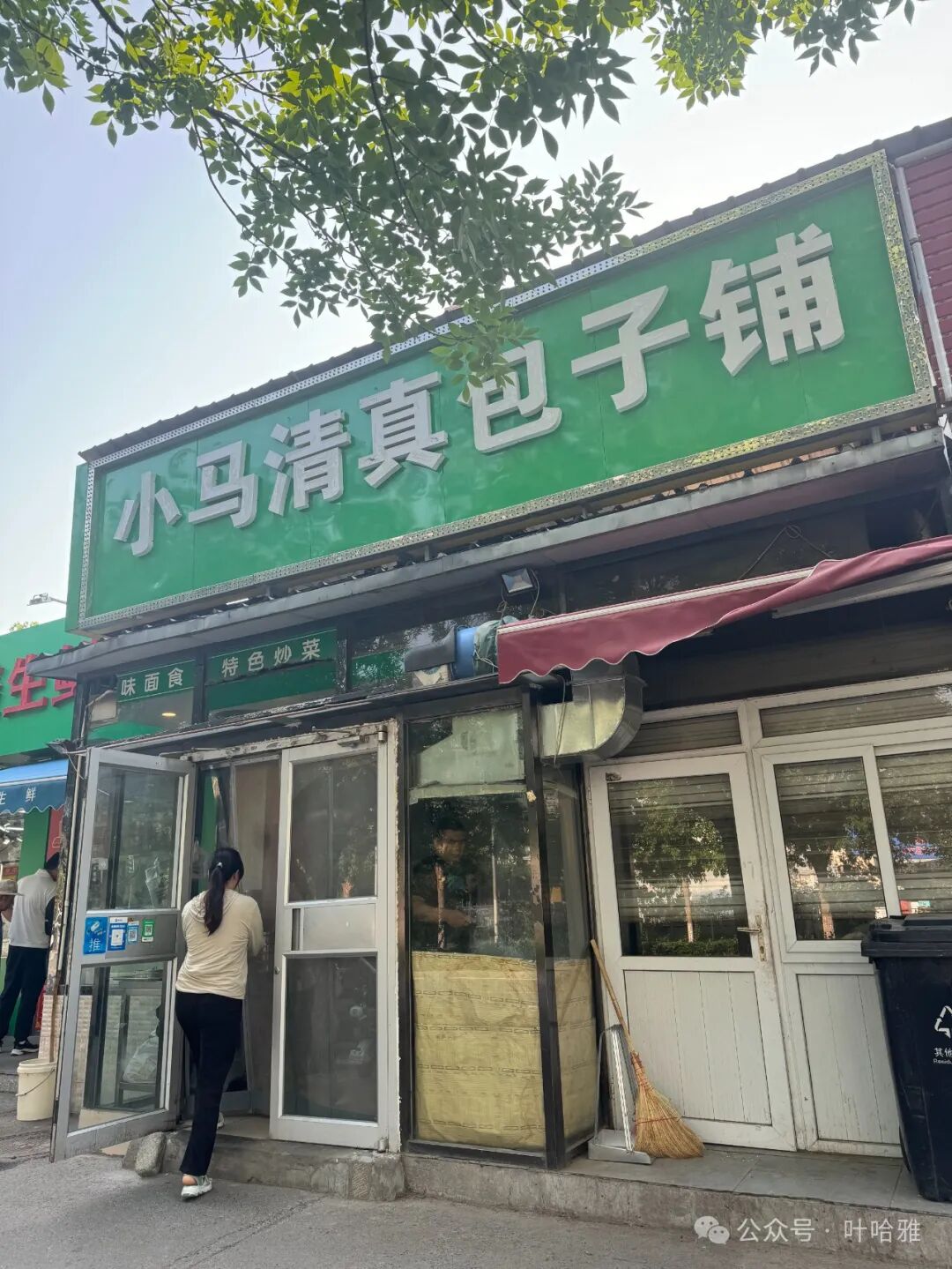
This is a long-standing steamed bun (baozi) shop in Daxing. In the past, there were many small halal shops like this in the city that specialized in steamed buns, but most of them have closed down now.
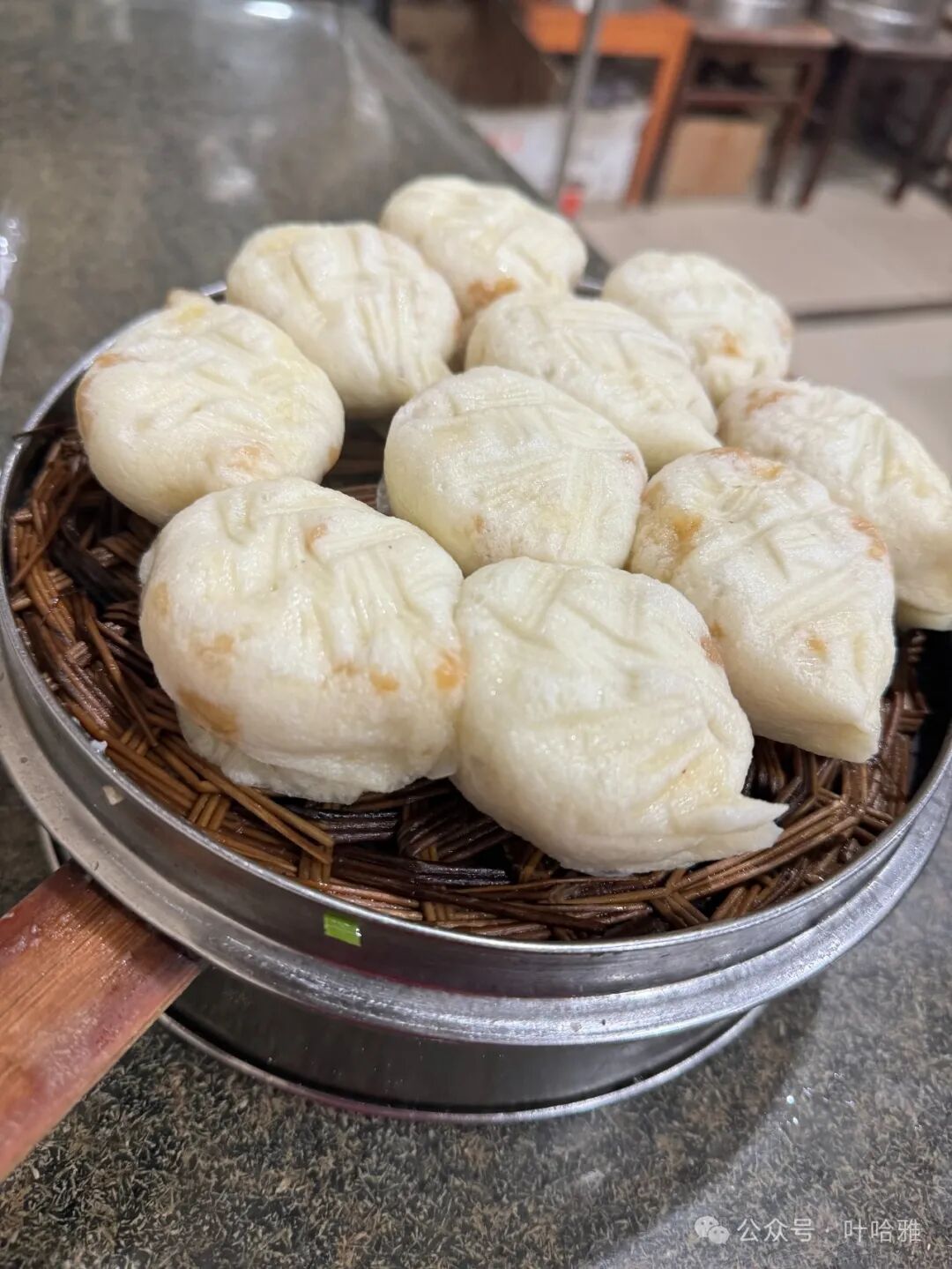
Their steamed buns look beautiful, the dough is soft and fluffy, and the filling is generous. These buns remind me of the steamed dumplings (zhengjiao) I ate in Changzhi.
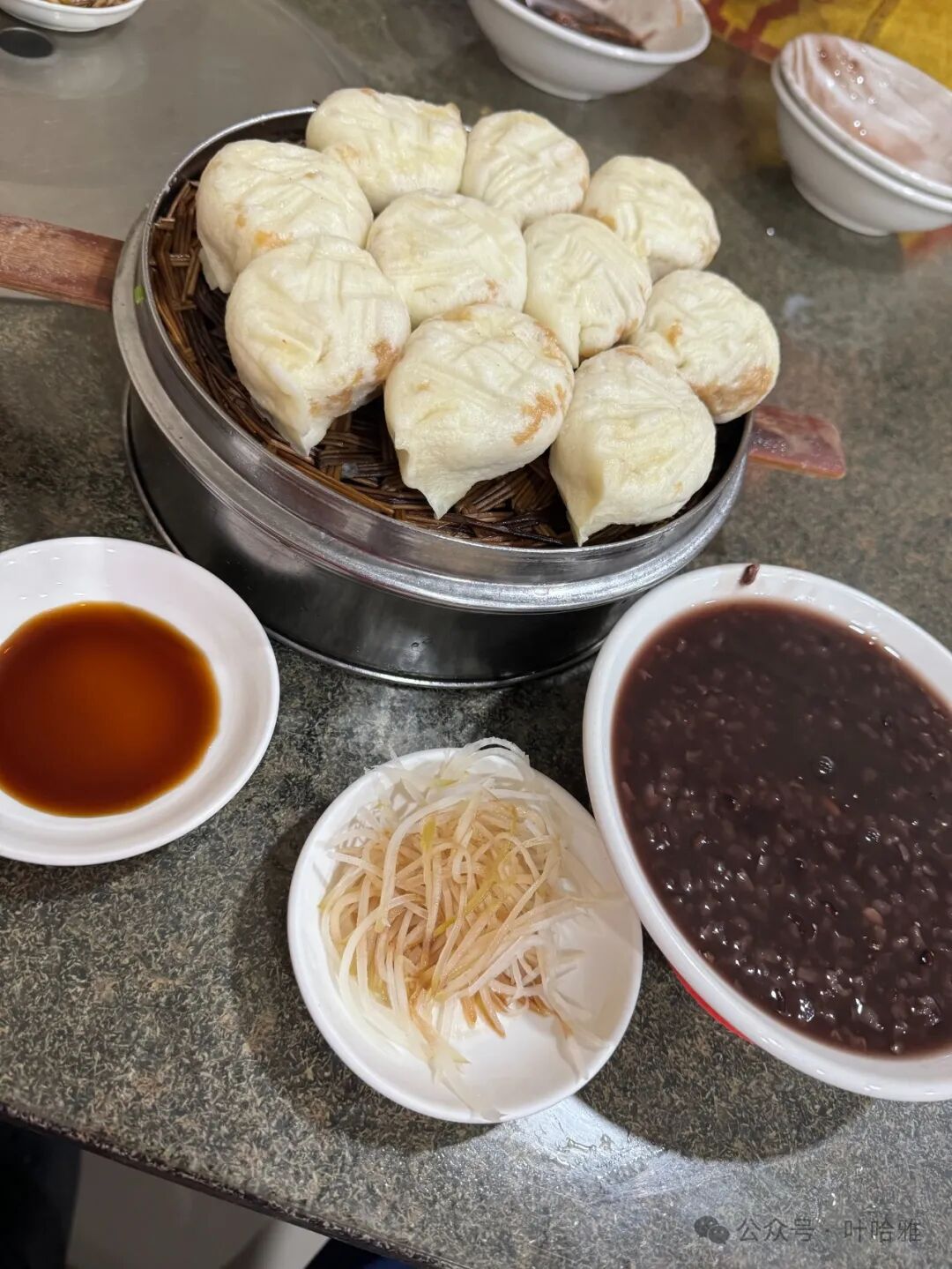
Having a steamer of buns, a bowl of porridge, and a small plate of pickles for breakfast reminded me of my school days.